Kenya Slows Microsoft-G42 Data Centre Push Over Power Constraints
Kenya’s geothermal advantage attracted global tech interest, but infrastructure limits have slowed execution

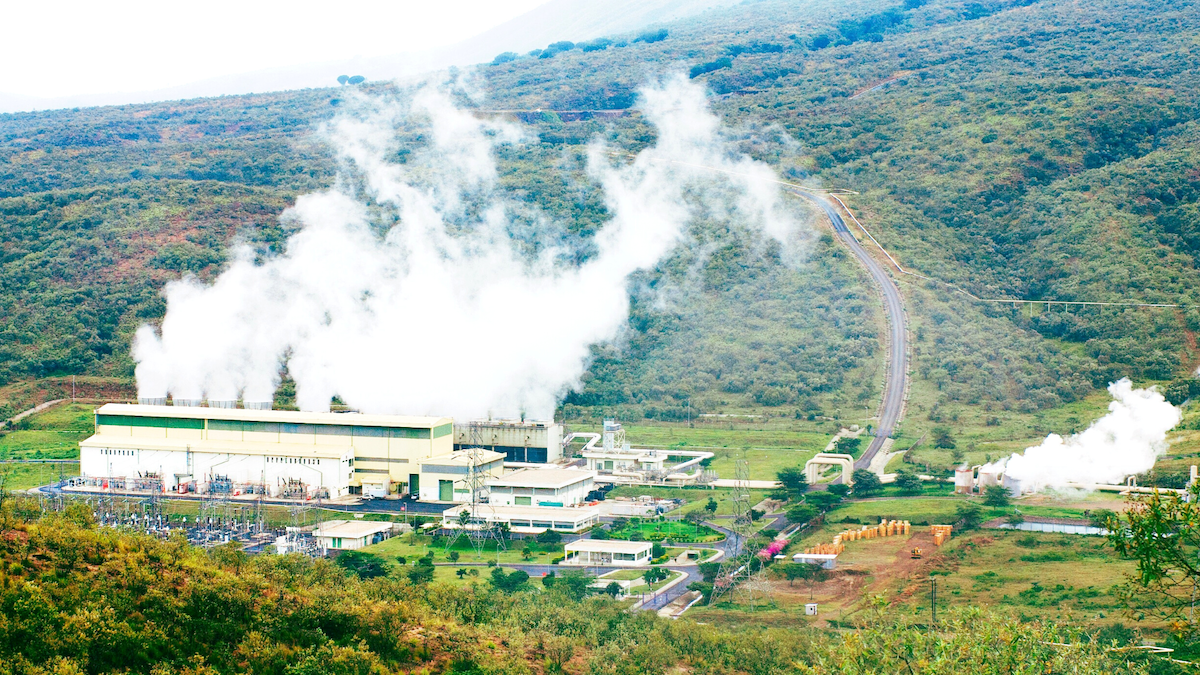
Kenya has suspended plans for a proposed $1 billion data centre backed by Microsoft and Abu Dhabi-based G42 after officials concluded the country’s electricity system cannot currently support the project at the intended scale.
President William Ruto said the facility’s projected power demand would place severe strain on the national grid, despite Kenya’s efforts to market geothermal energy as a competitive advantage for digital infrastructure investment.
The planned campus, expected to run on Microsoft’s Azure cloud platform, was announced during Ruto’s state visit to Washington in May 2024. It was to be built near the Olkaria geothermal fields in Naivasha, an area long promoted by the government as a renewable energy hub capable of supporting energy-intensive industries.
According to Ruto, the proposed installation would have required electricity equivalent to roughly one-third of Kenya’s installed generation capacity of about 3,000 megawatts.

“To switch on that one data centre, we would need to shut off power for half the country,” Ruto said during remarks in Nairobi.
The project had been positioned as more than a commercial server facility. Kenyan officials viewed it as part of a broader push to expand local cloud infrastructure, host government data domestically and reduce reliance on overseas data processing systems.
The government’s eCitizen platform, which handles millions of digital public service transactions, was expected to form part of the initial demand base for the facility alongside private-sector cloud customers across East Africa.
However, people familiar with the discussions said financing arrangements and long-term commercial assumptions remained unresolved well after the project announcement. Kenya’s technology ministry reportedly prepared a concept proposal tied to the development, but the National Treasury did not approve the funding framework required to move the project forward.
The delays exposed a deeper problem beyond electricity supply: uncertainty over whether regional demand for cloud services is currently large enough to justify hyperscale infrastructure of that size.
While Kenya has one of Africa’s most digitally active economies, enterprise demand for advanced cloud and artificial intelligence services remains smaller than in more established markets such as South Africa. Analysts say government usage alone would likely not sustain a billion-dollar facility without broader commitments from banks, telecom operators, fintech firms and multinational companies operating in the region.
The stalled project also highlights the limits of relying on renewable generation alone as a selling point for AI infrastructure. Although geothermal energy provides stable baseload electricity, large data centres also require extensive transmission upgrades, cooling systems, fibre connectivity and long-term redundancy capacity.
The proposal carried geopolitical significance as well.
The United States has increasingly backed technology partnerships in Africa as competition with Chinese infrastructure firms intensifies. Huawei remains deeply embedded across African telecom and cloud infrastructure markets through long-standing partnerships with governments and network operators.
For the UAE, the project aligned with a broader strategy of financing overseas AI and cloud infrastructure through state-backed investment groups and technology companies including G42 and MGX.
Despite the setback, Kenya continues to attract data centre investment. Nxtra by Airtel is currently developing a 44MW facility in Tatu City, which is expected to become one of East Africa’s largest operational data centres once completed.
The contrast points to a broader divide emerging across African digital infrastructure markets. Smaller facilities tied to existing enterprise demand are continuing to move forward, while hyperscale projects face tougher scrutiny over financing, energy availability and long-term utilization.
Ruto has linked the stalled project to his administration’s wider energy agenda, which targets 10,000 megawatts of national generating capacity by 2030 through a combination of public investment and private-sector participation.
Elsewhere on the continent, Microsoft continues to expand its cloud footprint. Earlier this year, the company announced a $329 million investment programme in South Africa focused on data centre expansion, energy readiness and AI services.
The outcome in Kenya illustrates a broader challenge facing many emerging markets entering the AI infrastructure race. Investor appetite for digital capacity remains strong, but large-scale deployments increasingly depend on surplus electricity, mature connectivity networks and a commercially sustainable customer base rather than political momentum alone.
Go to TECHTRENDSKE.co.ke for more tech and business news from the African continent and across the world.
Follow us on WhatsApp, Telegram, Twitter, and Facebook, or subscribe to our weekly newsletter to ensure you don’t miss out on any future updates. Send tips to editorial@techtrendsmedia.co.ke