

Africa’s Next Billion-Dollar Industry Isn’t AI, It’s Compliance

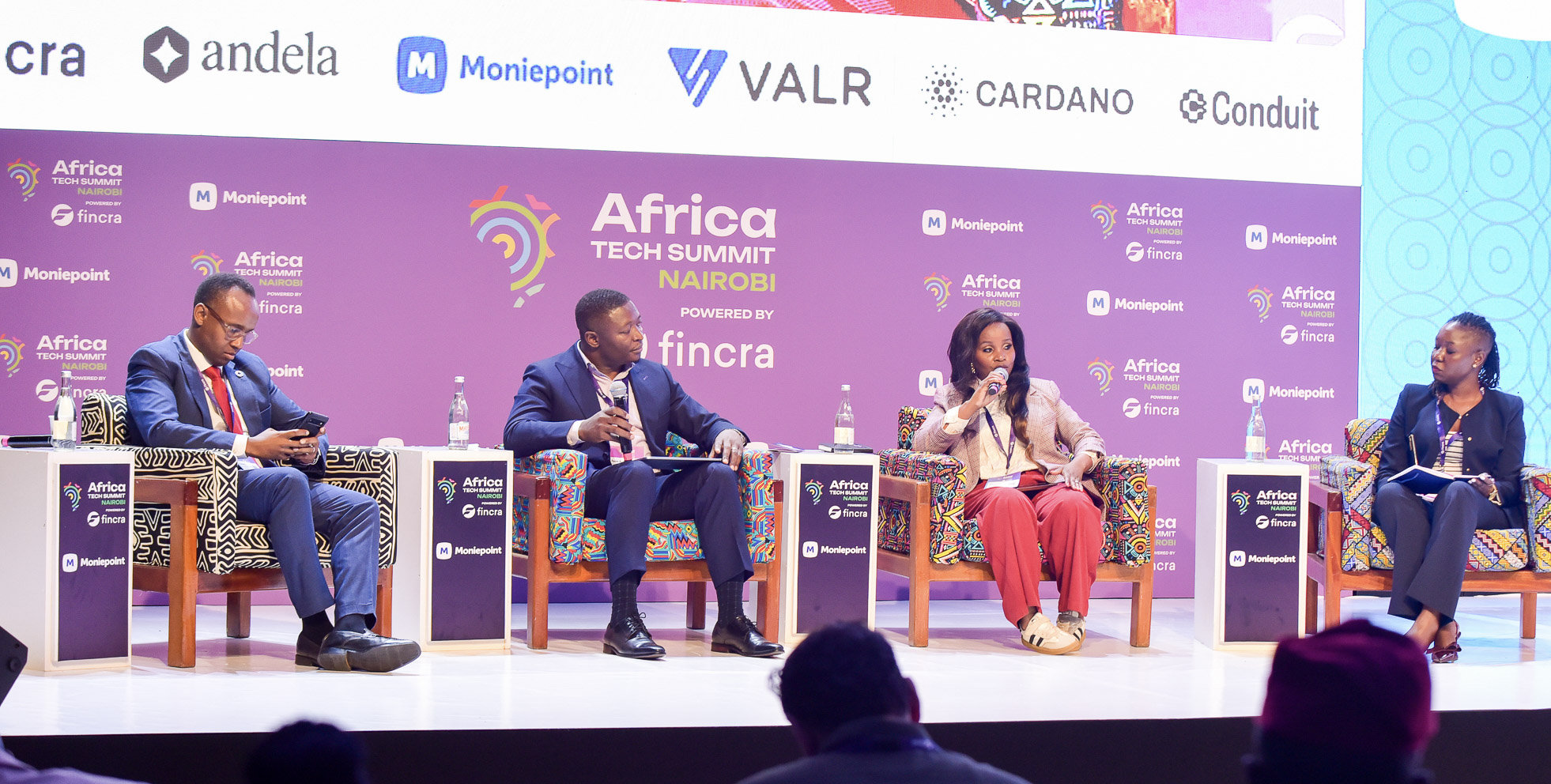
The loudest word at African tech conferences used to be growth. This year, it sounded more like proof. The conversation began to change between pitch decks and partnership panels at Africa Tech Summit Nairobi 2026. Founders explained audit trails instead of making disruption promises. Investors focused more on documentation than they did on downloads.
Africa’s tech scene has entered a new phase because its inventors now create genuine innovations that establish their credibility. The continent has discovered an unexpected fact that global capital creates more value through trust than it does through technological innovation. The next great industry will not help users transact; it will help markets believe.
Startups achieved success during the past ten years by creating solutions to three main problems which included fast money transfer and low-cost delivery and immediate human connection. International capital investment supports both friction-solving solutions and systems that establish verifiable solutions. Public investors demand reporting standards, governance frameworks and audit visibility that venture capital often overlooks. When companies begin conversations with institutions such as London Stock Exchange, the conversation changes from potential to proof. Companies must treat their quarterly disclosures and structured reporting and risk accountability as essential components of their operations.
As investor and entrepreneur Ben Horowitz once noted, “Trust is built in drops and lost in buckets.” African startups are learning that global markets invest in drops documented ones.


The transition shows why identity and verification systems experienced their sudden increase in usage. Financial inclusion once meant opening wallets; now it means proving who owns them. Digital identity platforms, transaction monitoring tools and compliance APIs create essential infrastructure which supports fintech applications.
Organizations like Cardano Foundation have pushed blockchain identity pilots across emerging markets precisely for this reason: markets function when participants are provable. Ethereum co-founder Vitalik Buterin argued in a public lecture that blockchains are valuable “not because they are fast, but because they are verifiable.” In Africa, verifiability solves a deeper issue than efficiency it enables trust across borders where institutions historically struggled to interoperate.
The same situation that payments infrastructure companies face now exists for them. Technological capabilities enable money transfer between African countries but proving compliance with different laws between countries remains unachievable. Product design now finds equal value in anti-money-laundering checks together with transaction screening and settlement traceability. Payment systems now function as regulatory systems that control financial transactions. Fintech companies transform into hidden compliance systems because every transaction generates metadata together with audit logs and identity verification. The technology stack now operates with reversed priorities which require payment systems to provide explanations before they can receive payment approval.
As Satya Nadella remarked at a developer conference, “Every company is becoming a software company.” In Africa, every fintech is becoming a compliance company.
The field of climate technology is now experiencing a transformation that mirrors existing changes in other domains. The measurement system of carbon markets and sustainability finance and ESG investment requires trustworthy measurement results. You cannot trade what you cannot verify. Climate startups are therefore building monitoring systems, satellite-based reporting and data registries rather than just environmental solutions. The system that appears to create environmental progress actually functions as verification infrastructure. Climate data functions as a financial asset class which requires auditing to establish its value. The development of compliance technology for sustainability reporting creates a new market. The continent will establish its role in global green finance through standardized reporting systems which meet the requirements of international regulators and institutional investors.
Small and medium-sized businesses, which have been recognized as Africa’s essential foundation for many years, have now started to participate in the trust economy. The use of accounting software together with digital invoicing and record digitization has become essential for businesses to achieve their economic success. A business that maintains organized financial records can obtain credit and conduct international trade and participate in supply chain operations. The data itself serves as an asset because it provides documented evidence that replaces the need for physical security. Governments are forming partnerships with startup companies to develop digital record systems and tax software and identity verification systems. The state does not compete with startups because it transfers its credibility verification functions to them. The process of governance digitization transforms compliance from a bureaucratic task into an industry that provides services.
The following billion-dollar sector will emerge from artificial intelligence applications because of trustworthy systems that enable financial technology and climate platforms and artificial intelligence to prove their reliability. The ecosystem is moving from a hustle economy which depends on available opportunities to a trust economy which requires verification to function.
The hustle phase required people to achieve success through their ability to solve problems. The trust phase requires success through commons validation of rule-based solution effectiveness. African innovation has transitioned from its previous user demonstration phase to its current market demonstration phase. The most valuable startup of the next decade will emerge from the business which demonstrates exact money movement according to their claims.
Mark your calendars! The GreenShift Sustainability Forum is back in Nairobi this August. Join innovators, policymakers & sustainability leaders for a breakfast forum as we explore sustainable solutions shaping the continent’s future. Limited slots – Get your early bird tickets now – here. Email info@techtrendsmedia.co.ke for partnership requests.
Go to TECHTRENDSKE.co.ke for more tech and business news from the African continent and across the world.
Follow us on WhatsApp, Telegram, Twitter, and Facebook, or subscribe to our weekly newsletter to ensure you don’t miss out on any future updates. Send tips to editorial@techtrendsmedia.co.ke


