

Leica Draws a Line Between Photography and AI as Smartphone Features Expand
Leica appears willing to accommodate new AI tools on smartphones while preserving a different identity for its traditional cameras

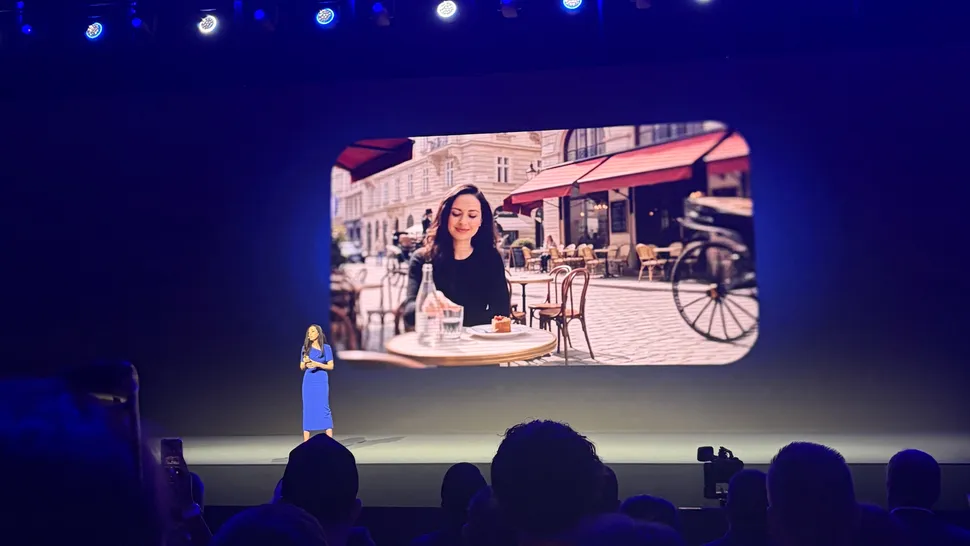
Leica is embracing the rapid growth of artificial intelligence on smartphones while preserving a clear distinction between synthetic content creation and the photographic tradition that built its reputation.
The German imaging company, which has partnered with Xiaomi on smartphone camera systems since 2022, addressed the subject during discussions following the launch of the Xiaomi 17T series in Vienna. The event also featured demonstrations of Gemini Omni, Google’s latest generative AI tool capable of creating video content from text prompts.
As smartphone manufacturers continue to add AI-powered editing, image generation and video creation tools to their devices, camera brands that built their identities around documentary and artistic photography are increasingly being asked where they stand.
For Leica, the answer appears to be one of separation rather than opposition.


Company executives indicated that generative AI has practical uses for smartphone users, particularly for creative and social content, but suggested that such tools occupy a different category from the type of image-making traditionally associated with Leica cameras.
That distinction is becoming more important as smartphones evolve beyond image capture devices into broader creative platforms. Premium handsets now combine photography hardware, editing software, AI assistants and content-generation systems within a single product. Manufacturers view these capabilities as key selling points in a highly competitive market.
The challenge for photography-focused brands is maintaining credibility around authenticity while participating in an ecosystem increasingly shaped by synthetic media.
Leica’s response has been to emphasize image provenance and verification. The company highlighted its use of Content Credentials technology on supported devices, including Xiaomi smartphones developed through the partnership. The system embeds information within image files that can help identify whether content has been altered after capture.
Executives argued that transparency around edits may become increasingly valuable as AI-generated and AI-modified content becomes harder to distinguish from original photographs.
The approach mirrors a wider industry effort to address growing concerns around manipulated media. Technology companies developing generative AI systems are simultaneously investing in verification and authentication tools designed to help users understand how digital content was created.
That dual-track strategy reflects a reality facing the industry. Consumer demand for AI features continues to grow, but so do questions about trust, attribution and authenticity.
Leica occupies a unique position within that debate. Unlike smartphone manufacturers competing primarily on software features, the company derives much of its brand value from a long-established association with photographic craftsmanship and faithful image capture.
Introducing fully generative tools directly into that experience could complicate the identity of products that many photographers view as instruments for observing reality rather than constructing it.
For smartphone makers, however, the commercial pressures are different. Consumers increasingly expect AI-powered tools alongside advanced camera hardware, creating incentives to expand creative capabilities even when those capabilities move beyond conventional photography.
The result is an emerging industry compromise. AI generation is treated as a creative feature, while technologies such as Content Credentials are positioned as mechanisms for preserving trust in authentic imagery.
Whether that balance holds as generative systems become more sophisticated remains uncertain. What is becoming clearer is that camera makers, smartphone brands and AI developers are all attempting to serve audiences with very different expectations of what an image should represent.
Leica’s latest comments suggest the company believes there is still value in keeping those expectations distinct.
Go to TECHTRENDSKE.co.ke for more tech and business news from the African continent and across the world.
Follow us on WhatsApp, Telegram, Twitter, and Facebook, or subscribe to our weekly newsletter to ensure you don’t miss out on any future updates. Send tips to editorial@techtrendsmedia.co.ke


