
Google Expands Gemini to Android Go, Bringing AI to Budget Smartphones
Millions of Android Go users are beginning to receive Gemini as Google expands its AI platform beyond flagship handsets

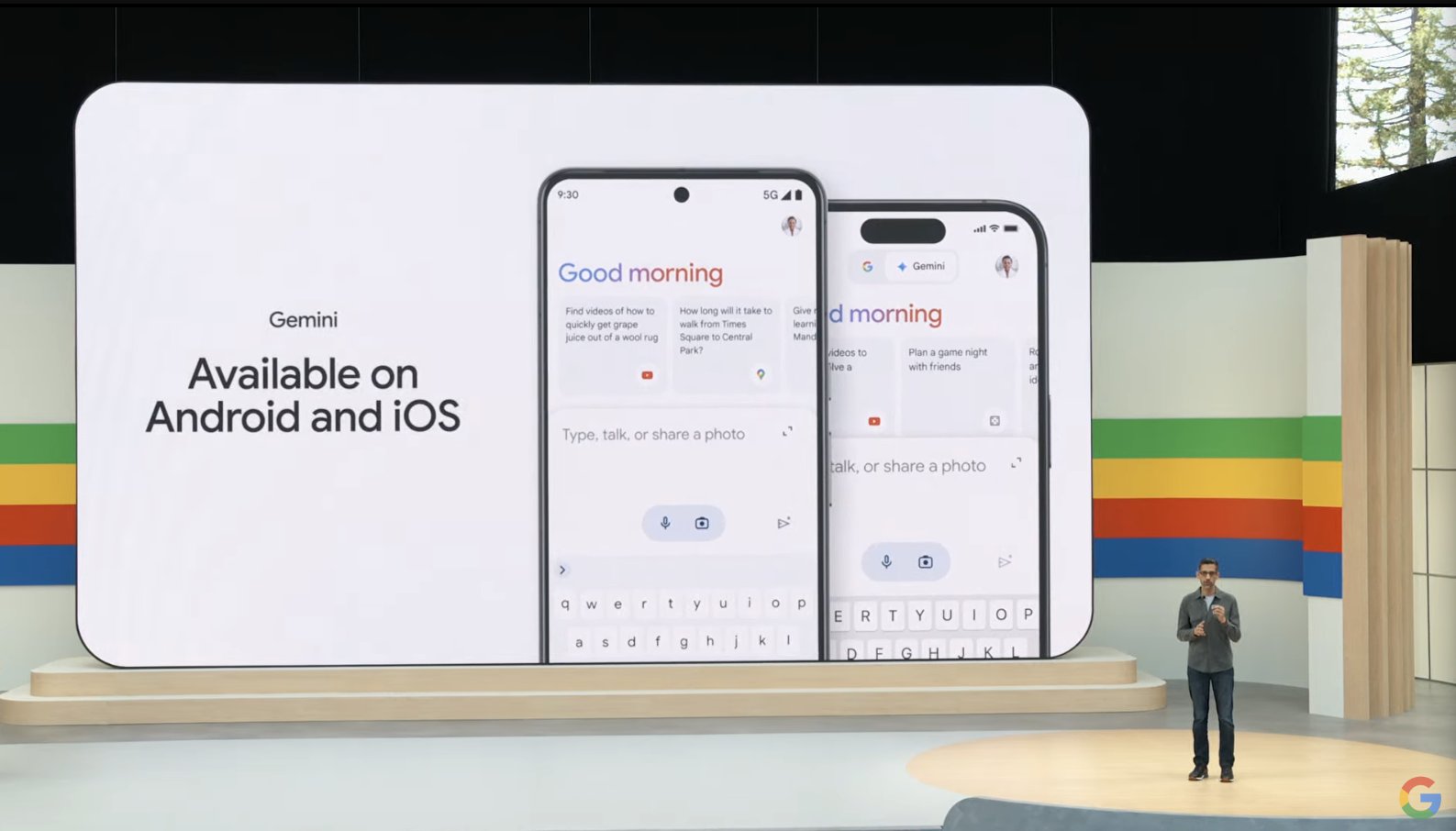
Google has started bringing Gemini to Android Go devices, extending its generative AI platform to a segment of the smartphone market that has largely remained outside the company’s broader AI rollout.
The update replaces Assistant Go, the lightweight voice assistant previously used on Android Go handsets. Users receiving the rollout can launch Gemini through familiar system shortcuts, including long presses of the Home button or Power key, depending on device configuration.
The move places Google’s latest AI tools on smartphones designed for entry-level hardware, including devices equipped with as little as 2GB of RAM. Android Go was originally created to help manufacturers deliver functional smartphones in price-sensitive markets where processing power and storage capacity are often limited.
By adding Gemini to those devices, Google is narrowing a divide that had emerged between premium Android phones and lower-cost models. While flagship users gained access to Google’s newer AI capabilities over the past year, Android Go owners continued using a simplified assistant built around older voice-command technology.


The rollout also changes how users access Google’s AI services. Rather than relying on browser-based workarounds or separate installations, Gemini is being integrated through the Google app itself. That approach allows the company to distribute AI features through software updates without requiring new hardware purchases.
For users, the practical difference lies in how requests can be handled. Assistant Go focused largely on straightforward commands such as setting reminders, placing calls, or checking information. Gemini introduces conversational interactions that can process multiple conditions within a single request and maintain context across exchanges.
Google says Android Go users will also be able to upload files, photos, and documents into Gemini conversations, allowing the system to respond using information contained within those materials. The AI can also assist with media playback requests by interpreting broader instructions rather than requiring exact commands.
The expansion comes as major technology companies compete to establish AI assistants as a central layer of consumer computing. Rather than limiting advanced AI tools to premium devices, companies are increasingly seeking distribution across the widest possible user base.
That strategy may have particular importance in emerging smartphone markets, where Android Go devices remain common. In regions across Africa, South Asia, and parts of Latin America, entry-level Android phones account for a substantial share of active devices, making them a critical audience for any large-scale AI deployment.
Google has indicated that availability will increase gradually. Some users may receive prompts to transition from Assistant Go immediately, while others will gain access as the rollout progresses through supported devices and software versions.
The update marks another step in Google’s effort to make Gemini the primary assistant experience across Android. With Android Go now included, the company’s AI platform is reaching a much broader portion of the global smartphone market than was possible during its initial launch phase.
Go to TECHTRENDSKE.co.ke for more tech and business news from the African continent and across the world.
Follow us on WhatsApp, Telegram, Twitter, and Facebook, or subscribe to our weekly newsletter to ensure you don’t miss out on any future updates. Send tips to editorial@techtrendsmedia.co.ke