Banks Warn New VAT on M-Pesa Transfers Could Push Users Back to Cash
Bankers say higher mobile money charges could drive more transactions back into cash networks

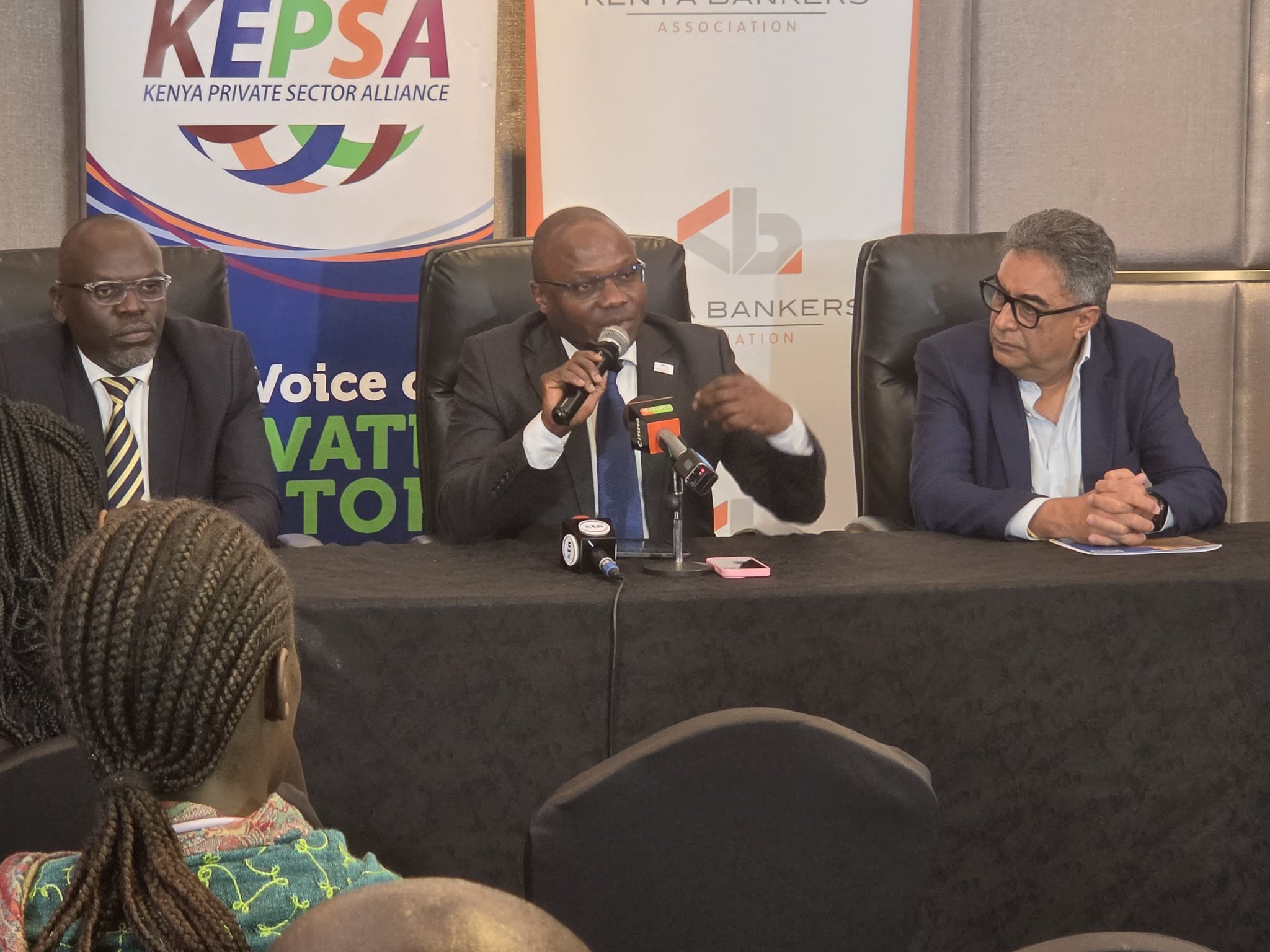
Kenya’s plan to impose new taxes on digital payment services is triggering concern across the banking and business sectors, with industry groups warning that higher transaction costs could push more economic activity outside formal financial systems.
The debate centres on proposals contained in the Finance Bill 2026 that would apply 16 percent VAT to fees charged by payment service providers including M-Pesa and Airtel Money. Treasury says the measure is intended to widen revenue collection as digital payments continue to account for a growing share of transactions across the economy.
Business associations and banks argue the policy could instead reduce visibility into economic activity by encouraging consumers and traders to rely more heavily on cash payments.
Speaking during public hearings organised by the Kenya Private Sector Alliance before the National Assembly Finance Committee, Raimond Molenje, chief executive of the Kenya Bankers Association, said taxing payment platforms risks driving consumers toward what he described as “mattress banking” and informal cash-based trade.


“If the Government proceeds to tax digital payments, it will drive consumers to ‘mattress banking’ and back to the informal economy, where the Government will not be able to collect revenue effectively,” Molenje said.
The warning reflects the increasingly central role mobile money plays in Kenya’s tax and payment infrastructure. Consumers use digital transfers daily for transport fares, supplier payments, salaries, household support and retail transactions, giving authorities greater visibility into commercial activity that previously moved largely through cash networks.

According to the Kenya National Bureau of Statistics, person-to-person mobile money transfers reached Sh8.66 trillion in 2025.
Industry groups argue the proposed VAT arrives at a delicate point for Kenya’s formal economy. KEPSA says formal employment accounts for only 16.2 percent of total jobs, while the informal sector supports more than 18 million workers, making policymakers heavily reliant on digital systems that encourage businesses and consumers to remain inside traceable financial channels.
The private sector lobby also warned that taxing payment processing services creates layered costs across the transaction chain. Under proposals affecting merchant payment systems, banks and payment firms say the combined tax burden on some digital transaction charges could rise sharply, increasing the operational cost of accepting electronic payments for businesses.
That concern comes as mobile money pricing has already become a competitive issue in Kenya’s fintech market.
Safaricom’s M-Pesa remains the dominant player, though rivals including Airtel Money have continued competing on lower transaction charges as consumers become more sensitive to transfer costs.
Analysts say additional taxes could accelerate that pricing pressure while slowing the broader use of digital financial services, particularly among low-income households and small businesses that make frequent low-value transactions.
The proposals have also exposed competing priorities within government institutions.
While Treasury is seeking additional revenue to support fiscal consolidation, the Central Bank of Kenya has in recent years backed efforts aimed at lowering digital transaction costs to encourage financial inclusion and reduce dependence on cash payments.
KEPSA Chairperson Dr. Jas Bedi said excessive taxation on digital payments risks reversing gains made in financial inclusion and pushing businesses back into informal cash systems.
The Finance Bill arrives as lawmakers face growing pressure to raise revenue without deepening the cost burden on consumers and businesses already dealing with elevated operating expenses and slower household spending.
Treasury has meanwhile stated that the Bill does not grant the Kenya Revenue Authority access to personal mobile money transaction records following public concern over digital privacy.
Parliament’s Finance Committee is expected to continue collecting submissions from industry groups before debate on the legislation proceeds later this year.
Go to TECHTRENDSKE.co.ke for more tech and business news from the African continent and across the world.
Follow us on WhatsApp, Telegram, Twitter, and Facebook, or subscribe to our weekly newsletter to ensure you don’t miss out on any future updates. Send tips to editorial@techtrendsmedia.co.ke