

WWDC 2026 Arrives With Siri, AI, and Apple’s Next Era Converging at Once
Apple enters WWDC with unfinished AI work still hanging over the company

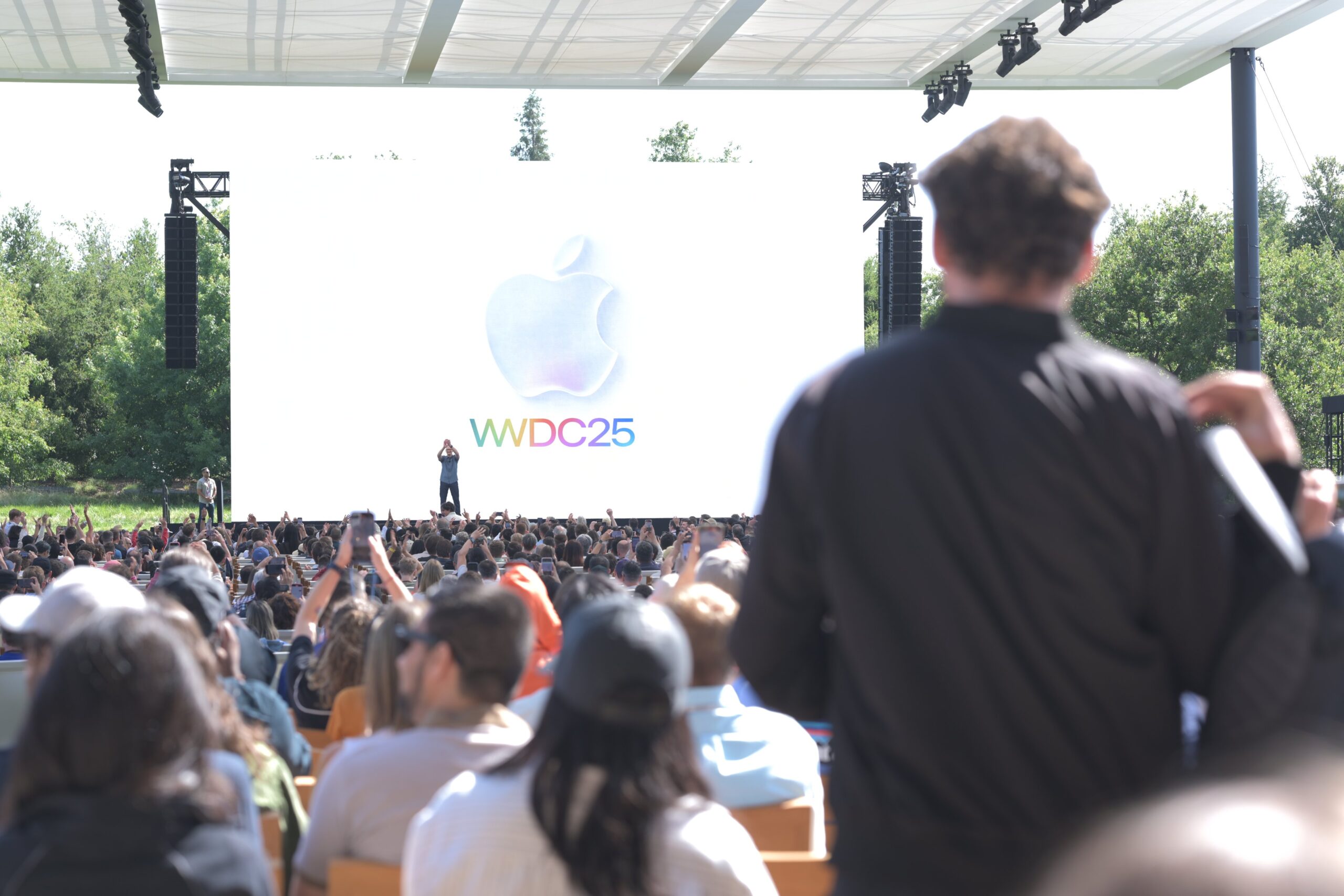
Apple’s Worldwide Developers Conference has often served as a preview of the software features that will shape its devices over the following year. This time, the event opens under different circumstances. The company is heading into WWDC 2026 with growing pressure to demonstrate that its artificial intelligence strategy can move beyond announcements and become a dependable part of everyday computing.
The conference also arrives during a leadership transition that will reshape Apple’s next chapter. Chief executive Tim Cook is scheduled to step down on September 1 after 15 years leading the company. His successor, hardware chief John Ternus, will inherit a business confronting new competitive pressures in artificial intelligence at the same moment Apple attempts to reinvent one of its most visible products: Siri.
That challenge sits at the center of WWDC 2026 expectations. While updates to iOS, macOS, iPadOS, watchOS and visionOS are expected, much of the attention is converging on Siri and Apple’s efforts to rebuild a voice assistant that has struggled to keep pace with the rapid evolution of AI products.
Apple’s AI timeline has become part of the story
For much of the past decade, Siri occupied a unique position within Apple’s ecosystem. It was deeply integrated into the company’s devices, yet its capabilities increasingly lagged behind newer AI systems capable of maintaining conversations, understanding context and handling more complex requests.

Apple sought to address that gap through Apple Intelligence. Some of the most anticipated features, however, arrived later than expected. Those delays created an unusual challenge for a company whose reputation has long been built on tightly managed product execution.
As a result, WWDC 2026 is likely to be judged differently from previous developer conferences. The focus is no longer simply on what Apple announces. Attention is shifting toward what the company can deliver within a realistic timeframe.
Reports ahead of the event suggest Apple is preparing a broader overhaul of Siri, including a chatbot-style interface, deeper access to personal context and expanded actions across applications.
The objective is straightforward. User expectations have changed. AI assistants are increasingly expected to function as active digital companions rather than voice-controlled shortcuts.
Siri is being repositioned for a different computing era
The reported redesign suggests Apple is rethinking Siri’s role within its ecosystem.
Instead of existing primarily as a system feature, Siri may become a destination in its own right. Conversation history, prompt suggestions and a dedicated interface all point toward a more persistent relationship between users and the assistant.
That reflects a broader shift in consumer behavior. People now interact with AI through extended sessions, refining requests over time and returning to previous conversations when they need additional help.
Apple’s challenge extends beyond matching those experiences. The company must combine modern AI capabilities with the advantages created by its control over hardware, software and on-device data.
The wider industry is also moving beyond the early phase of the chatbot race. Technology companies increasingly appear focused on embedding AI into products consumers already use rather than treating AI as a standalone destination. Search engines, operating systems, productivity software and digital commerce platforms are becoming distribution layers for AI services.
That shift creates a different competitive environment. The question is no longer which company can build the most attention-grabbing chatbot. Increasingly, the contest revolves around which companies control the platforms through which AI reaches consumers every day.
Apple’s opportunity lies within that reality. The company already controls the iPhone, App Store, operating systems, services ecosystem and a vast installed base of active devices. If Siri can reliably understand personal information stored on Apple devices while carrying out actions across applications, Apple gains a form of integration that remains difficult for many competitors to replicate.
The challenge is equally clear. OpenAI helped redefine consumer expectations around conversational AI. Google is increasingly embedding Gemini across products that include Search, Android, YouTube, Maps and productivity software. Apple’s response depends on turning its own ecosystem into an AI distribution layer centered on the iPhone and its operating systems.
Reports also point to interface changes designed around this new role. Siri’s visual presence could move toward the Dynamic Island, while a new search-and-assistant interface may become a more prominent part of iPhone navigation. Together, the changes suggest Apple wants AI interactions to occupy a more central place in the operating system.
Software quality is becoming a strategic priority
The expected AI announcements arrive alongside reports that Apple has spent significant effort addressing software stability and performance.
That focus may prove just as important as any headline feature revealed during the keynote.
Over the past year, discussion around Apple’s software has increasingly included complaints about bugs, unfinished experiences and interface inconsistencies. The introduction of Liquid Glass generated debate among users, particularly around readability and visual clarity.
Rather than pursuing another sweeping design overhaul, Apple appears to be dedicating resources toward refinement.
Reports indicate the company has been working to reduce software bloat, improve performance and address longstanding issues across its operating systems. Additional controls for adjusting the intensity of Liquid Glass effects have also been linked to upcoming updates.
These changes are unlikely to dominate headlines. Yet operating system quality often shapes user experience more profoundly than a long list of new features.
The comparison some observers have made to the Snow Leopard era is notable because that release became remembered for making existing software work better rather than introducing dramatic new concepts.
Everyday habits may change more than users expect
Several reported changes involve the way users interact with Siri and navigate their devices.
Such adjustments can appear minor during a keynote presentation but become highly visible once millions of people begin using the software daily.
Apple has repeatedly shown a willingness to redesign familiar interactions when it believes the broader experience benefits. It has also learned that users can be resistant when long-established habits suddenly change.
Potential revisions to notification controls, search behavior and assistant access therefore carry significance beyond interface design. They will influence how people interact with iPhones hundreds of times each week.
The success of those changes will be determined less by their appearance and more by whether they feel intuitive after extended use.
WWDC may become the final defining software event of the Cook era
The software announcements arrive only months before a change at the top of Apple.
Tim Cook will step down as chief executive in September after 15 years leading the company, remaining involved as executive chairman while John Ternus assumes day-to-day control. The timing gives WWDC 2026 an unusual place in Apple’s recent history. The conference is expected to be among the final major strategic presentations delivered under Cook’s leadership.
That context extends beyond corporate succession. The next generation of Siri, Apple Intelligence and operating-system updates will become part of the inheritance handed to Ternus on his first day as chief executive.
The transition itself points toward continuity rather than disruption. Ternus has spent more than two decades inside Apple and has been closely associated with major hardware programs spanning the iPhone, Mac and wearables businesses. His promotion reflects Apple’s longstanding preference for internal succession and long-term product planning.
The timing makes the conference significant for another reason. Apple is attempting to define its AI strategy just as the industry begins moving from experimentation toward deployment at scale. Rivals are increasingly weaving AI into the infrastructure of existing platforms rather than presenting it solely as a standalone product category. WWDC may offer the clearest indication yet of whether Apple views AI through a similar lens, treating Siri and Apple Intelligence as foundational layers across its ecosystem rather than isolated features.
At the same time, the company entering the Ternus era faces a different environment from the one Cook inherited in 2011. Apple’s hardware business is mature, services have become a major pillar of revenue and competition around artificial intelligence is intensifying across the industry.
The challenge confronting the next leadership team is not scaling Apple into a larger company. It is determining how Apple remains influential as AI becomes a defining layer of modern computing.
What developers and users will be watching
The most important announcements may ultimately be the least dramatic ones.
Developers will want clarity on how deeply Siri can interact with third-party applications. Users will look for evidence that promised AI capabilities are ready for real-world use. Investors will seek signs that Apple has a credible response to competitors that established an earlier lead in generative AI.
Those questions cannot be answered through keynote demonstrations alone.
WWDC 2026 arrives at the intersection of two transitions: Apple’s effort to modernize Siri and its broader shift from the Tim Cook era to the leadership of John Ternus. The software unveiled on stage will not simply define Apple’s roadmap for the coming year. It will shape the environment inherited by the company’s next chief executive.
The conference may also reveal how Apple interprets the next phase of the AI industry. Early competition focused heavily on chatbot capabilities and model performance. Increasingly, attention is shifting toward distribution, ecosystem integration and the ability to embed AI into products people already use every day.
Whether Apple succeeds will depend on what ships after the keynote ends and how reliably those features work once they reach millions of devices. For that reason, WWDC 2026 may be remembered as more than another developer conference. It is becoming a test of whether Apple can transform AI from a feature announcement into infrastructure that sits at the center of its products, services and next leadership chapter.
Go to TECHTRENDSKE.co.ke for more tech and business news from the African continent and across the world.
Follow us on WhatsApp, Telegram, Twitter, and Facebook, or subscribe to our weekly newsletter to ensure you don’t miss out on any future updates. Send tips to editorial@techtrendsmedia.co.ke


