
Kenya’s EV Tax Changes Threaten Local Supply Chains and Transport Financing Models
Kenya’s electric mobility sector is entering another period of uncertainty as manufacturers rethink sourcing, pricing and expansion plans

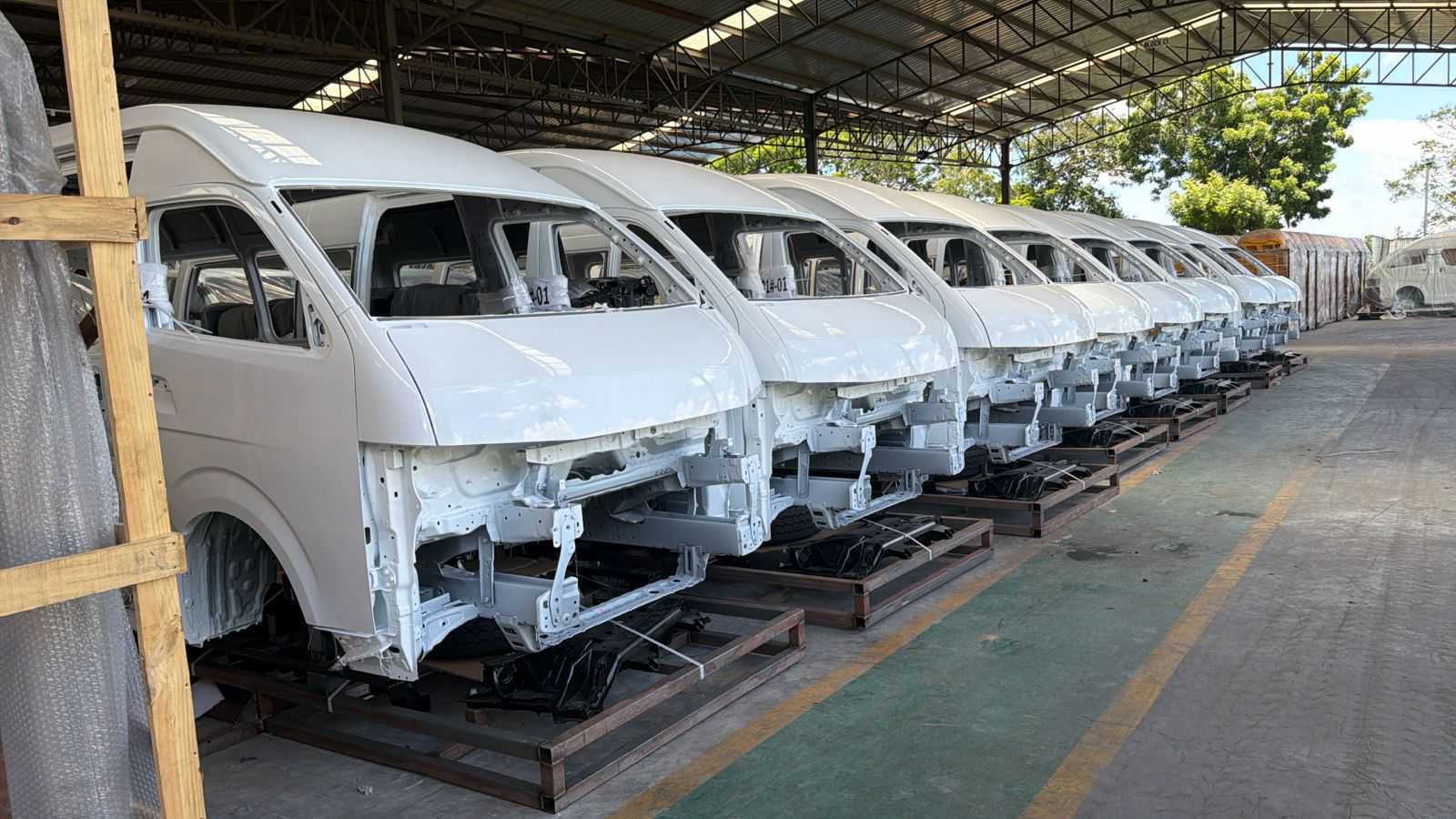
Transport operators who had started treating electric fleets as a realistic commercial option are recalculating acquisition costs after proposed tax changes in the Finance Bill reopened questions around the economics of Kenya’s electric mobility market.
The Kenya EV tax proposal would remove the zero-rated VAT status currently applied to electric motorcycles, buses, bicycles, solar batteries and lithium-ion batteries, replacing it with VAT exemption. For vehicle assemblers, the distinction changes how production costs accumulate across the supply chain.
Under the existing structure, manufacturers reclaim VAT paid on inputs used in assembly. The proposed framework blocks those claims, leaving companies to absorb the tax internally or transfer the cost into vehicle pricing.
That adjustment is now colliding with financing models that had been built around narrow affordability margins.


Electric bus operators entering Kenya’s public transport sector had spent the past two years trying to reduce the upfront barrier facing SACCOs and fleet owners. Some companies separated battery ownership from the vehicle itself, allowing operators to acquire buses at prices closer to diesel equivalents before paying recurring battery lease charges.
Those calculations no longer hold comfortably if assembly costs rise.

One locally assembled electric minibus currently priced around Sh5.6 million could move closer to Sh6.7 million under the proposed tax structure, according to industry estimates. Full-size electric buses would absorb even larger increases because imported battery systems remain among the most expensive components in the assembly chain.
The effect stretches beyond vehicle showrooms.
Several EV firms operating in Kenya rely on hybrid procurement systems where technical assemblies arrive from Asian manufacturers while fabricated metal parts, seats, tyres, wiring components and glass are sourced domestically. Companies say the inability to recover VAT on those purchases alters sourcing decisions almost immediately.
Some suppliers had already expanded fabrication capacity specifically for electric vehicle orders.
Manufacturers warn that locally sourced components could become harder to justify financially if unrecoverable tax costs begin stacking through the production process. Executives inside the sector say the pressure would favour more direct importation of completed systems rather than continued localisation of assembly inputs.
That creates tension with the industrial policy language that has accompanied Kenya’s electric mobility push since 2023.
Government incentives had helped attract investment into firms including BasiGo, Roam, Spiro and ARC Ride. Besides VAT treatment, assemblers benefited from reduced excise duty rates and preferential import terms for completely knocked-down kits.
Industry executives now say the policy environment is becoming harder to model over multi-year investment cycles.
Assembly businesses tend to operate with long payback periods tied to tooling, charging infrastructure, supplier agreements and financing partnerships. Abrupt fiscal revisions complicate those projections, particularly for companies still operating in early-growth stages rather than mature production volumes.
Treasury’s position is shaped by a different pressure point.
The government is targeting Sh2.985 trillion in tax revenue for the coming financial year, up from Sh2.784 trillion previously, as debt obligations and expenditure demands tighten fiscal space. New measures in the Finance Bill are expected to raise roughly Sh120 billion.
Electric mobility firms argue that the sector is being treated as a stable revenue source before achieving commercial scale.
Kenya entered the regional EV market earlier than several neighbouring countries and built visibility through motorcycle electrification and public transport pilots. Adoption levels, though, remain relatively small compared to the size of the conventional vehicle market dominated by imported second-hand combustion vehicles.
Policy certainty has become one of the industry’s larger concerns.
A recent study by German transport think tank Agora Verkehrswende and the German Agency for International Cooperation noted that uncertainty around fiscal incentives continues to slow electric mobility expansion across Kenya despite strong investor interest and rising urban transport demand.
The report pointed to fragmented institutional coordination and short-term policy cycles that make long-horizon planning difficult for manufacturers and infrastructure developers.
For operators considering fleet conversion, the immediate concern is less ideological than operational. Vehicle replacement decisions in Kenya’s transport economy are heavily tied to financing costs, repayment schedules and fuel savings calculations.
A sharper entry price changes all three.
Electric motorcycles had started gaining traction partly because riders could offset higher purchase prices through lower daily operating expenses. If acquisition costs climb further, firms may need to extend repayment timelines or absorb thinner margins to keep adoption moving.
Neither option comes cheaply in a market already sensitive to borrowing costs and currency pressure.
Go to TECHTRENDSKE.co.ke for more tech and business news from the African continent and across the world.
Follow us on WhatsApp, Telegram, Twitter, and Facebook, or subscribe to our weekly newsletter to ensure you don’t miss out on any future updates. Send tips to editorial@techtrendsmedia.co.ke


