Bolt’s next decade in Nigeria will extend beyond the ride-hailing market

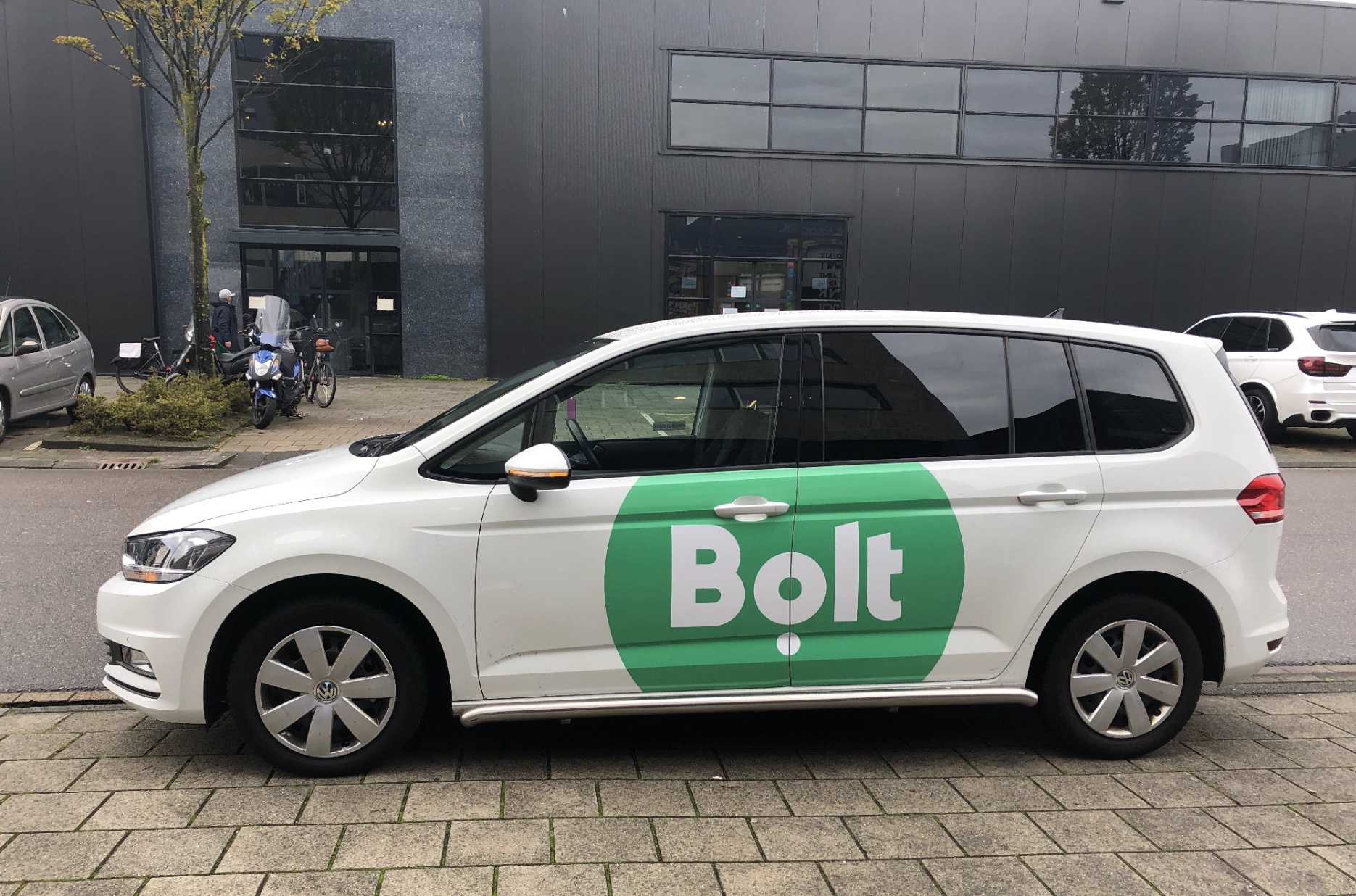
Bolt is expanding its African mobility business beyond passenger transport, bringing vehicle financing, electric mobility, delivery and retail services into a platform that began as a ride-hailing operation. The company’s Nigerian business offers a view of how that strategy has developed over ten years, while its Kenyan operations show how some of the additional services are being deployed.
The expansion comes as conventional ride-hailing faces difficult operating economics across African markets. Uber’s September 2026 withdrawal from Nigeria, after 12 years in the country, removed one of Bolt’s largest international competitors. However, the pressures affecting driver earnings, passenger affordability and platform operating costs remain central to the industry.
Bolt’s reported investment of more than ₦140 billion ($102.4 million) in Nigeria covers technology, local operations, safety initiatives and engagement with drivers and passengers. Its Nigerian network now spans 31 cities, with the company reporting more than 14 million riders since its 2016 entry.
The company is also serving transport and commercial needs beyond conventional car-hailing, using partnerships and additional services to extend its presence across the mobility market.


Bolt’s business is expanding beyond passenger transport
Bolt entered Nigeria in November 2016 as Taxify, competing against Uber, which had established operations in Lagos and Abuja two years earlier. Its initial pricing strategy helped attract both passengers and drivers. Taxify offered rides at 30% below its closest competitors in Lagos and charged drivers a 15% commission, compared with Uber’s 25%.
The company subsequently expanded into Abuja, Owerri, Ibadan and Benin City before adopting the Bolt name in 2019. It now operates across 31 Nigerian cities, according to figures provided for its tenth anniversary.
The expansion has involved adapting its services to local transportation systems. In January 2020, Bolt introduced tricycle-hailing in Uyo, where commercial tricycles had become an important transport option following restrictions on commercial motorcycles.
During the COVID-19 pandemic, the company also introduced Bolt Business Delivery in Lagos and Abuja, connecting businesses with couriers on its platform. It later expanded into food delivery, launching Bolt Food in Nigeria in October 2021.

These services gave Bolt additional ways to use its driver and courier network. Its current Nigerian offering includes Bolt Comfort, Bolt Lite, tricycle rides, Bolt Send and Bolt Business.
The company’s approach also extends to electric vehicles. In April 2025, Bolt partnered with Nigerian electric mobility company SGX Mobility to introduce electric tricycles in Lagos.
Weyinmi Aghadiuno, Bolt’s Head of Regulatory and Policy for Africa, told TechCabal that the company had continued adjusting its services and operating model in response to changing economic conditions.
“Our job is to keep both sides of that equation workable: fares passengers can manage and earnings that make driving sustainable,” she said.
The balance between passenger fares and driver earnings has become particularly important as operating costs rise. Following Nigeria’s petrol subsidy removal in May 2023, Bolt increased its base fare from ₦650 to ₦800. Drivers and their unions argued that the adjustment did not adequately reflect their higher operating expenses.
Vehicle financing and electric mobility become central to expansion
Access to vehicles is another part of Bolt’s business model that has required partnerships outside its core platform operations.
In June 2021, Bolt partnered with Sterling Bank’s Alternative Finance to introduce a vehicle financing programme for eligible drivers seeking to acquire new or used cars. The programme was expanded later that year through an arrangement with Metro Africa Xpress (MAX), which used its alternative credit-scoring technology alongside Bolt’s driver activity data to assess applicants.
The financing arrangements address a practical constraint for ride-hailing platforms. Drivers need access to suitable vehicles to participate in the marketplace, while the cost of acquiring and maintaining those vehicles affects their ability to remain active.
Kenya offers another example of how Bolt is connecting mobility services with vehicle acquisition and financing.
The company reported investments exceeding KSh19 billion in Kenya since entering the market in 2016. Its September 2026 anniversary figures also put its reach at more than eight million riders, over 170,000 drivers and couriers offered income opportunities, and operations in 19 towns.
Bolt also reported 5,808 electric vehicles on its Kenyan platform in early 2026. Its electric mobility partnerships include M-KOPA, which has been involved in financing electric motorcycles used by drivers.
The model connects vehicle acquisition with the operating requirements of ride-hailing and delivery businesses. Drivers can access financing arrangements for vehicles, while electric mobility companies and infrastructure providers participate in the wider supply chain.
Kenya’s electric mobility market also includes businesses such as Moja EV Africa, Knights Energy and Kabisa, operating across fleet management, vehicle financing, charging, maintenance and battery-related services.
For Bolt, these relationships extend its business into an ecosystem that supports the vehicles operating on its platform. The company can connect drivers with mobility services without having to operate every part of the vehicle supply chain itself.
Kenya offers a different model for Bolt Food
Bolt’s experience in food delivery demonstrates how its diversification strategy has developed differently across African markets.
The company launched Bolt Food in Nigeria in October 2021, entering a market that already included Jumia Food and Gokada. At launch, the service offered access to more than 100 restaurants on Lagos Island.
By the time Bolt announced its Nigerian exit in 2023, it reported partnerships with more than 10,000 restaurants, over one million meals delivered and 12,000 merchants onboarded.
Its Kenyan business has followed a different path, with grocery and retail becoming a larger part of the offering.
In June 2026, Bolt Food partnered with Quickmart to integrate more than 12,000 products from over 60 stores into its platform. The arrangement expanded the service beyond restaurant meals to include everyday household and grocery purchases.
Bolt Food Kenya General Manager Ivy Maingi said in November that grocery and retail accounted for more than 20% of the business, with the category recording triple-digit year-on-year growth.
The company has also introduced Bolt Plus in Kenya, a subscription offering priced at KSh280 monthly or KSh899 annually. Subscribers receive benefits across eligible rides and food delivery services.
These developments give Bolt additional ways to generate transactions from existing customers. A passenger who uses the platform for transportation can also order groceries or meals through Bolt Food, while subscription benefits extend across the services.
The contrast between Nigeria and Kenya is particularly relevant to Bolt’s regional strategy. The company discontinued food delivery in Nigeria after operating in the market for approximately two years, while its Kenyan business has expanded into grocery retail and subscription services.
Uber’s Nigerian exit changes the competitive landscape
Bolt’s expansion comes as competition in Nigeria’s ride-hailing market undergoes a major change.
Uber announced in September 2026 that it was winding down its Nigerian operations, ending a presence that began in Lagos in 2014. Its withdrawal followed mounting pressures around operating costs and the economics of serving the market.
TechTrendsKE’s September reporting examined trip and pricing data from more than 20,000 Uber and inDrive journeys. The investigation found instances where driver payments exceeded passenger fares on shorter trips, with the difference reaching 23% of the passenger fare in some cases.
The report also found that a typical Nigerian Uber driver completed approximately 130 rides during the first seven months of 2026, representing slightly more than a tenth of the trip volume completed by Uber drivers in South Africa over the same period.
Bolt had already established a substantial competitive position before Uber’s departure. Estimates from trip-data aggregator Obi cited in the September investigation placed Bolt’s share of Nigeria’s ride-hailing market at approximately 60%. Sensor Tower data cited in the same reporting showed that Bolt had more than six times Uber’s active Nigerian users in December 2025.
Uber’s exit leaves Bolt competing with inDrive and local operators such as LagRide and Rida, alongside established public transport options.
The market also continues to contend with the pressures that affected Uber. Drivers need fares that cover fuel, vehicle maintenance and other operating expenses, while passengers remain sensitive to transportation costs.
Bolt’s investment in Nigeria and its expansion into additional services are taking place against this competitive and operating environment. Its 15% commission at launch helped attract drivers dissatisfied with Uber’s 25% charge, but the company has since had to adjust its operating model as the market has changed.
Bolt’s next stage depends on the economics of its wider platform
The expansion into financing, electric mobility, delivery and retail gives Bolt several connected sources of activity beyond passenger journeys.
Its vehicle financing partnerships support the supply of cars and motorcycles used by drivers. Electric mobility partnerships bring additional options for vehicle acquisition and operation, while food delivery and retail increase the range of transactions available to customers.
Bolt’s Nigerian experience also demonstrates the costs involved in developing these services. Its food delivery exit followed a period in which the company had built a network of restaurants, merchants and couriers. In Kenya, the expansion into grocery retail and Bolt Plus has provided a different route for extending customer relationships.
Aghadiuno said Bolt’s priorities for its next decade in Nigeria include improving the ride experience, strengthening safety, expanding relevant services and exploring opportunities across the wider mobility ecosystem.
“The next decade is about depth: more value for Nigerians and a broader idea of what mobility can mean for the communities we serve,” she said.
The company’s African operations now extend from conventional ride-hailing into vehicle financing, electric transport, food delivery and retail, with the mix of services differing between markets.
Visit TECHTRENDSKE.co.ke for more tech and business news from across Africa and the world.
Follow us on WhatsApp, Telegram, Twitter, and Facebook, or subscribe to our weekly newsletter so you don’t miss future updates. Send tips to info@techtrendsmedia.co.ke