Not all Mini LED is equal: What TCL’s global lead tells Kenyan TV buyers

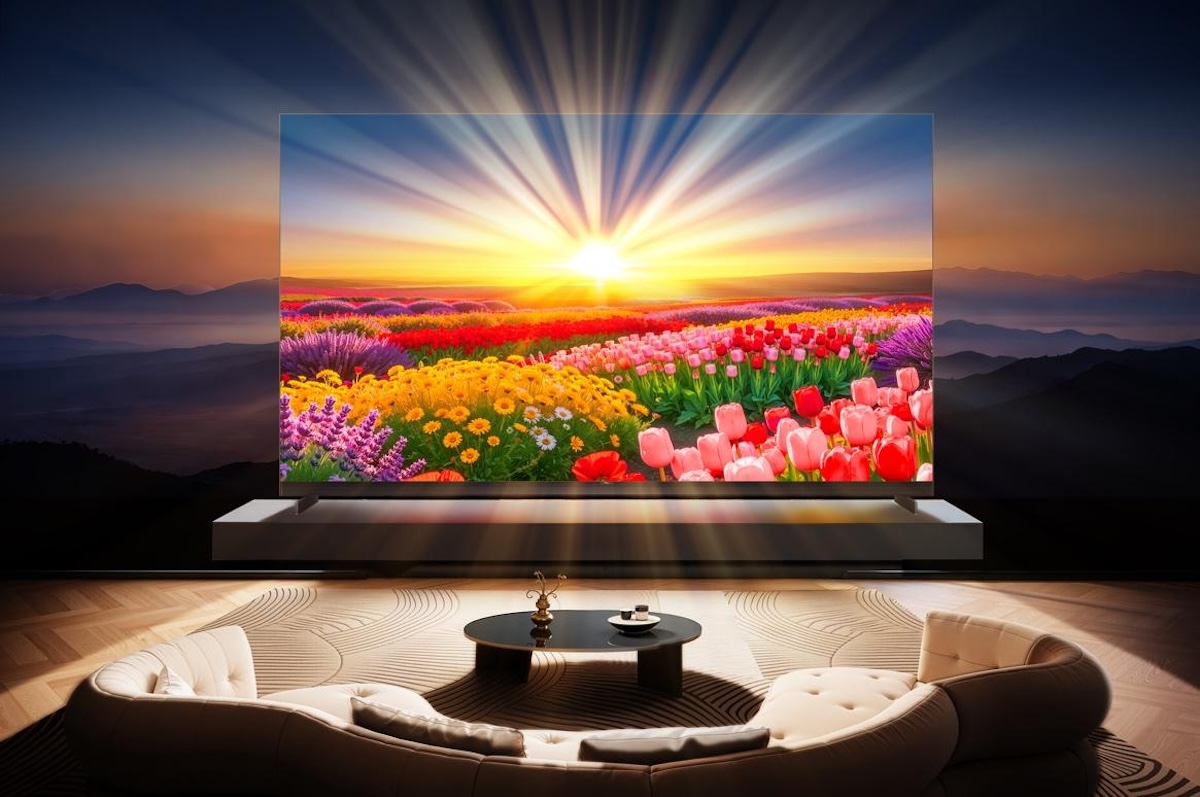
Walk into any electronics store in Nairobi this festive season and you’ll see “Mini LED” on TV boxes at almost every price point. The term has spread faster than almost any other in television marketing, and it has become one of the most confusing.

Two TVs can carry the same Mini LED label, sit side by side on the shelf, and still deliver very different pictures once they’re switched on. Some cost three times as much as others while using exactly the same words on the box.
So what does Mini LED actually mean, and how can you tell the real thing from the label?
Mini LED is no longer a niche technology found only on flagship sets. According to research firm Omdia, Mini LED TVs made up 13% of global TV shipments in the second quarter of 2026.

TCL has been at the centre of that growth. Citing Omdia data, TCL Electronics said it ranked first in the world by Mini LED TV shipments in the first half of 2026, shipping 2.43 million units, a 77.1% increase on the same period last year. In 2025, it held a 31.1% share of global Mini LED TV shipments, after its shipment volume more than doubled, up 118%.
As Mini LED spreads across more products and price points, TCL argues that being a category leader now means more than selling the most units. It also means helping buyers understand what actually makes a Mini LED TV perform well.
What Mini LED really is
At its core, a Mini LED is simply a smaller LED chip, about a fifth the size of those used in a conventional LCD TV’s backlight. Because the chips are so small, manufacturers can fit thousands more of them behind the same screen.

That density is what matters. More LEDs mean the backlight can be split into many more dimming zones, small clusters of light that can be brightened or dimmed independently instead of the whole screen lighting up as one block. Done well, the result is deeper blacks, brighter highlights and much more detail in scenes that mix light and shadow.
But the words “Mini LED” only describe the size of the chip. They say nothing about how many chips are used, how they’re arranged or how well their brightness is controlled. That’s where the real differences lie.
“Mini LED gets talked about as if it’s a single technology, but it’s really a family of approaches with very different results,” says Alvin Wang, General Manager of TCL East Africa. “The three things that actually decide the outcome, hardware versus software dimming, zone count, and backlight architecture, are things any shopper can ask about, for any brand, before they buy.”
Check 1: hardware dimming, not a software approximation
Real Mini LED performance depends on hardware local dimming, where the TV physically controls the brightness of each cluster of LEDs behind the screen.
Some TVs instead rely mainly on software, or “virtual”, dimming, which adjusts the image digitally while the backlight itself is less precisely controlled. Under comparable conditions, this tends to cause more light leakage and weaker contrast.
Check 2: enough dimming zones to do the job
The number of dimming zones determines how precisely a TV can separate light from shadow. Even a few hundred zones can noticeably improve contrast over a conventional LCD TV. Under comparable conditions, TVs with several thousand zones can control light even more precisely.
When comparing models, look at the zone count for the same screen size.
Check 3: full array backlighting
The backlight layout is the most fundamental factor of all. Edge-lit TVs place LEDs around the edges of the screen, which limits how precisely light can be controlled. Some direct-lit designs place LEDs behind the panel but switch them on and off as a single block.
Full Array Local Dimming (FALD) spreads LEDs across the entire back of the panel and controls each zone independently. That is the architecture behind genuine Mini LED performance, and TCL says it underpins its entire Mini LED range, from entry-level models to its flagships.
These factors aren’t separate boxes to tick. They depend on each other. Brightness is more useful when it can be directed to the right part of the picture. A high zone count only pays off if each zone is controlled accurately. And full array backlighting provides the physical foundation for that control across the whole screen.
TCL says that connecting its scale in Mini LED with this kind of clear, practical explanation is what category leadership should look like as the technology goes mainstream.
If you’re upgrading your TV this festive season, Mini LED is a significant step up from a conventional LCD. Don’t stop at the label: ask about hardware dimming, check the dimming zone count and confirm the TV uses full array backlighting. Those three checks will tell you far more about the picture you’ll get than the words on the box.
For more information, visit tcl.com/eastafrica/en.
Visit TECHTRENDSKE.co.ke for more tech and business news from across Africa and the world.
Follow us on WhatsApp, Telegram, Twitter, and Facebook, or subscribe to our weekly newsletter so you don’t miss future updates. Send tips to info@techtrendsmedia.co.ke