Electric mobility businesses in Kenya are expanding into charging, batteries and fleet services

Kenya’s electric mobility industry is developing businesses around the vehicle itself, from charging networks and battery assembly to fleet management, maintenance and battery refurbishment. Companies represented in an industry panel moderated by Julio de Souza described different approaches to building these operations, while pointing to financing and infrastructure needs that extend well beyond vehicle purchases.

The businesses are pursuing distinct commercial models. Some sell electric vehicles and support customers with charging and maintenance; others operate fleets, supply energy or assemble battery packs. Their experiences offer a view of an industry developing several parts of its value chain at once.
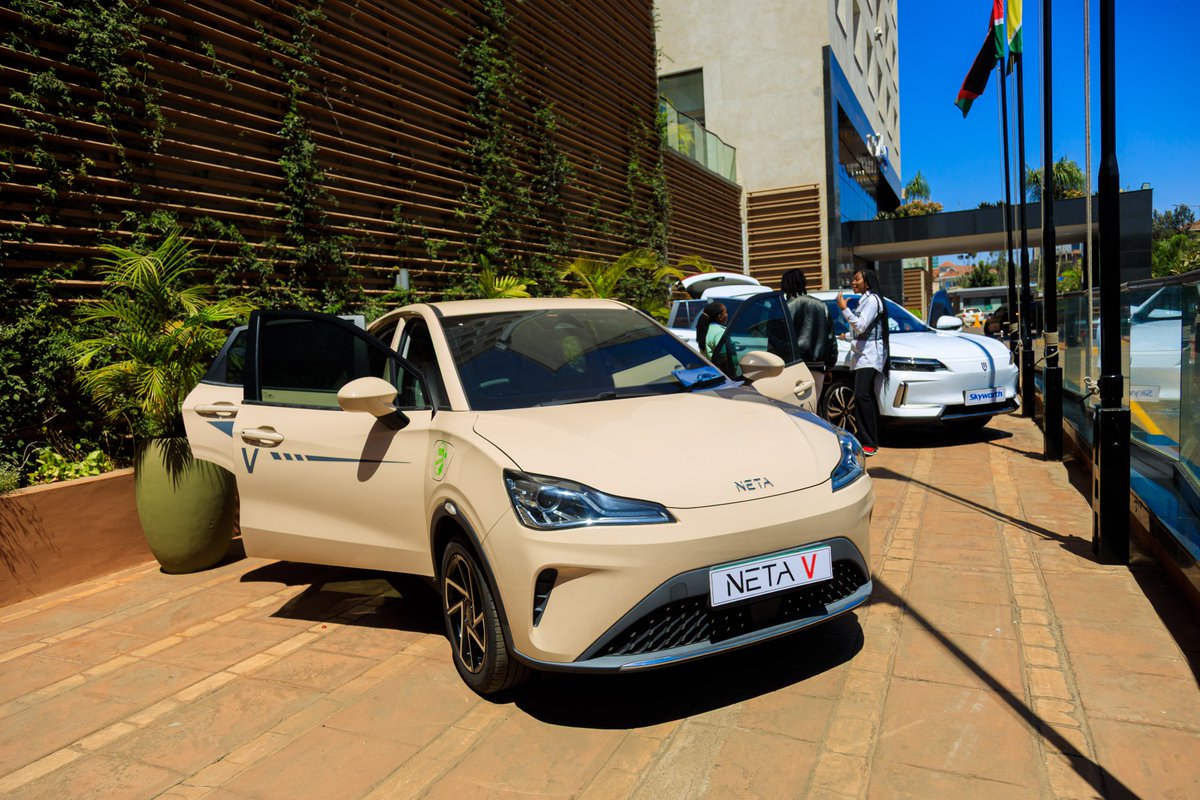
For Moja EV Africa, fleet management is central to its operating model. Achieng’ Ana said the company had built a fleet of 116 Neta V electric vehicles since bringing its first vehicle from China in June 2024. Moja EV Africa also sells Skyworth electric cars, giving it a presence in both fleet operations and the retail electric vehicle market.
Ana outlined an eight-year vehicle warranty, a five-year body-life commitment and a buyback arrangement for the Neta V fleet. The company also uses GPS monitoring and alerts when taxi drivers exceed prescribed driving hours. These arrangements form part of its approach to managing vehicle use, maintenance and the risks associated with financing drivers.

Ana also described a leaseback arrangement intended to make it easier for banks to finance drivers. The model gives lenders an arrangement around the vehicle asset while Moja EV Africa remains involved in the commercial relationship.
Knights Energy combines vehicle operations with charging infrastructure. Francis Romano said the company operates an electric taxi fleet and charging facilities along the Mombasa-Kampala corridor. Its business also includes vehicle sales and electricity supplied to charging customers.
Romano said commercial electric vehicle drivers could save around 70 to 80 per cent on energy costs compared with conventional vehicles. He gave an example of the company buying electricity at approximately KSh16 and selling it at KSh40, while identifying transformer and distribution capacity as constraints on expansion.
Kabisa Electric is also linking vehicle sales to the services needed to keep commercial vehicles operating. Oscar Mihesa said customers buying electric trucks want to know where they can charge them and who will provide maintenance. The company is developing charging infrastructure alongside its truck business, including plans for installations in Mombasa and along the regional corridor.

Fleet operators are developing different commercial models
The panel’s examples show how electric mobility businesses are organising their operations around different customer and asset requirements.
Moja EV Africa’s approach includes supplying vehicles, managing their use and providing arrangements intended to protect the value of the fleet. Knights Energy combines charging services with taxi operations, while Kabisa connects commercial vehicle sales to charging and maintenance support.
These models require capabilities beyond vehicle distribution. Fleet operators need systems for monitoring vehicles, maintaining batteries, managing drivers and keeping assets available for revenue-generating work. Charging providers need sufficient utilisation to support their infrastructure investments, while vehicle suppliers need reliable service arrangements for customers.
Romano also described battery refurbishment as part of Knights Energy’s operations. He said the company had trained approximately 600 electricians and mechatronics technicians in electric vehicle maintenance and battery repair. It was also repurposing batteries removed from vehicles for use in charging infrastructure.
Battery refurbishment creates a second-use market for packs removed from vehicles, while technical training supports the maintenance and repair services required by fleet operators. The two activities connect the industry’s skills requirements with the management of vehicle components beyond their first application.
Charging infrastructure is becoming a business in its own right
Charging networks are developing as commercial operations, with companies exploring different ways to earn revenue from vehicle owners and fleet operators.
Knights Energy’s combination of charging services and taxi operations gives it exposure to both sides of the market. Kabisa’s approach links charging availability to commercial truck sales, addressing a practical concern for businesses considering electric vehicles for transport operations.
Mihesa said Kabisa had brought in 27 charging units and was preparing installations in Mombasa and along the corridor towards Kampala. He also referred to plans involving approximately 30 prime movers and additional trucks. The deployment would connect charging infrastructure with the movement of commercial vehicles along a regional transport route.
The discussion also considered the economics of selling electricity to vehicle owners. Romano’s example of buying power at around KSh16 and selling it at KSh40 illustrates the potential margin available to a charging operator before accounting for infrastructure, operating and distribution costs. His reference to transformer constraints points to the importance of grid connections in determining where charging businesses can expand.
For operators serving different vehicle categories, compatibility is another commercial consideration. A charging network that supports vehicles from multiple manufacturers can serve a wider customer base than infrastructure tied to one brand or battery configuration.
Financing needs extend beyond vehicle purchases
The financing experiences shared by the panel varied considerably. Some operators had secured bank loans for vehicles and batteries, while others were still seeking commercial financing or needed larger facilities to support expansion.
Mihesa said Kabisa had helped a client with an established transport business secure bank financing. The lender assessed the customer’s financial history and repayment capacity. Romano said Knights Energy had also obtained bank financing for electric vehicles, including new and used units, and referred to banks financing batteries.
Roam Electric’s Mikael said the company had not secured commercial bank financing, although discussions were ongoing. The different experiences illustrate how lenders are assessing borrowers, assets and business models rather than applying one financing approach across the sector.
De Souza challenged the distinction between financing electric vehicles and financing the companies developing the wider industry. He cited Spiro’s reported US$270 million financing as a comparison and questioned why Kenyan banks were not participating in larger facilities for technology, inventory and expansion.
A vehicle loan can be secured against an identifiable asset and assessed through the borrower’s repayment history or business revenue. Charging infrastructure, battery assembly and inventory require other forms of capital, including funding for equipment, working capital and expansion before the full revenue base is established.
The panel discussed the possibility of lenders starting with smaller commitments, gathering operating data and expanding their exposure as businesses demonstrate performance. Risk-sharing arrangements could also help. Moja EV Africa’s buyback terms, warranties and vehicle monitoring provide examples of measures operators can use to address concerns about asset condition, recovery and repayment.
An Equity Group representative described guarantees from financing partners as another way to reduce lending risk. The representative also said the group had received Green Climate Fund accreditation in July 2026 and expected to draw down funding to support e-mobility at more affordable rates.
The discussion distinguished commercial borrowers from individuals seeking finance for personal vehicle purchases. Established operators can present business records and operating revenue, while individual applicants may depend on salary income and carry the repayment obligation themselves.
Battery assembly and charging standards shape the supply chain
Kanto Systems is pursuing a local battery assembly project that would add manufacturing capacity to the sector. Its representative described plans for a 250MWh plant, with reported offtake demand equivalent to 120 per cent of the planned capacity.
The company intends to import battery cells while assembling or localising other components, including casings, wiring and battery management systems. Its representative estimated that approximately 40 per cent of a battery pack could be localised.
The project has two distinct financing requirements: capital for the plant and working capital to procure components and support production. The reported offtake demand could provide a basis for discussions with lenders and investors, while local component production would determine how much of the manufacturing process takes place in Kenya.
The panel also examined the technical fragmentation of electric motorcycle charging. Mikael said Roam was advocating a shared charging arrangement based on a proposed Type 6 system, using a common charging output with adapters for different battery configurations.
He said Roam and Zeno were aligned around the approach and referred to a memorandum of understanding with Chinese scooter manufacturer Yadea to introduce compatible products. The proposal is intended to make shared charging infrastructure more practical across participating motorcycle brands.
Charging compatibility and battery standardisation are separate issues. The panel’s discussion focused on a common charging approach, rather than requiring every manufacturer to use an identical battery. The distinction matters to charging operators seeking to serve vehicles from multiple manufacturers.
Freight, skills and battery reuse widen the market
Electric freight was another part of the discussion, extending the panel’s focus from motorcycles and taxis to commercial transport. An audience participant referred to two electric trucks that had arrived in Mombasa for port-shunting operations and plans to transition port-to-warehouse movements to electric trucks.
The contribution also covered the requirements for expanding electric freight, including vehicle prices, heavy-duty charging investment and electricity tariffs. Kabisa’s plans for charging installations in Mombasa and along the Mombasa-Kampala corridor connected the discussion to the infrastructure needed for regional commercial transport.
The panel’s other examples showed how supporting services are developing around electric vehicles. Knights Energy’s technician training and battery refurbishment work, Kanto Systems’ proposed assembly capacity and Roam’s charging compatibility proposal each address a different part of the industry’s operating requirements.
For fleet operators, the immediate commercial concerns remain vehicle availability, charging access, maintenance and the cost of keeping assets in service. For manufacturers and infrastructure providers, the requirements include production finance, equipment investment, technical compatibility and sufficient customers to support expansion. Kenya’s electric mobility businesses are building across all these activities, with each part of the value chain creating demand for the others.
Visit TECHTRENDSKE.co.ke for more tech and business news from across Africa and the world.
Follow us on WhatsApp, Telegram, Twitter, and Facebook, or subscribe to our weekly newsletter so you don’t miss future updates. Send tips to info@techtrendsmedia.co.ke