Who owns Africa’s digital economy? Investment and sovereignty dominate Africa Tech Festival day two

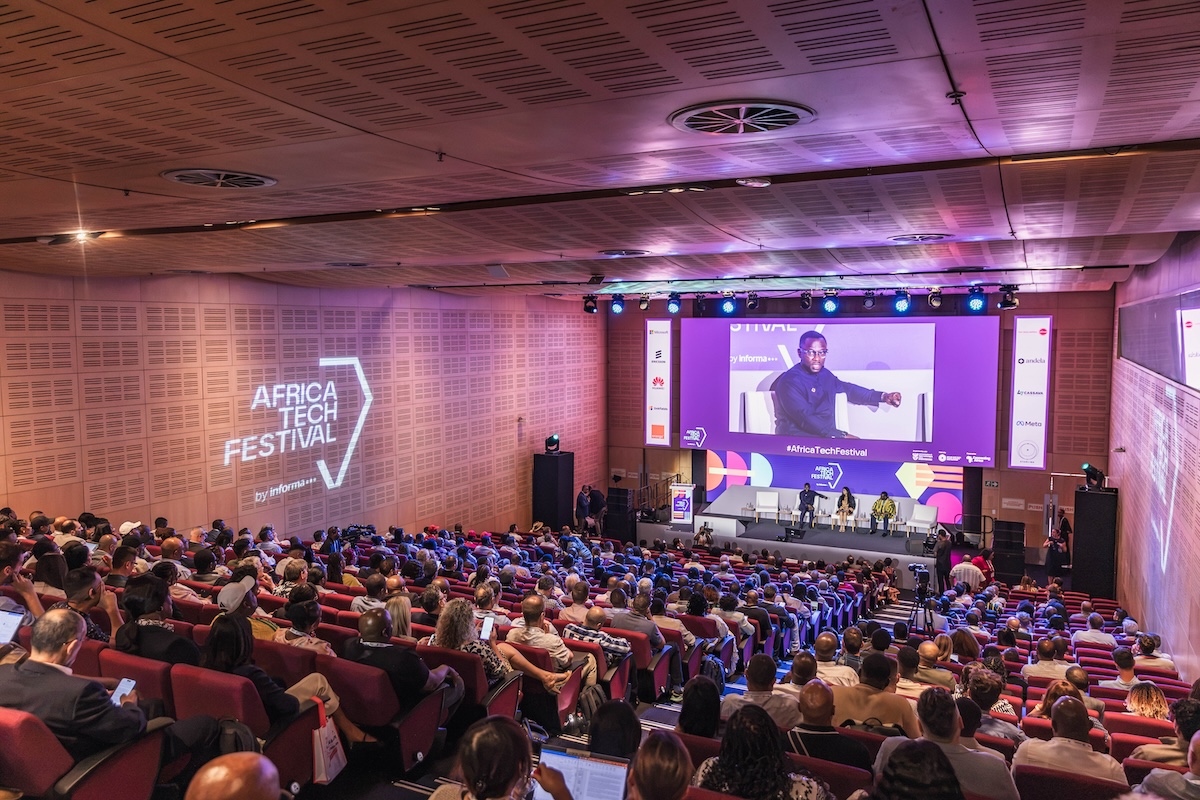
Who invests in, owns and benefits from Africa’s digital economy took centre stage on the second day of Africa Tech Festival 2026 in Cape Town.
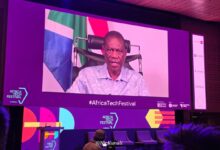
South Africa’s Deputy Minister of Communications and Digital Technologies, Mondli Gungubele, opened the day by challenging governments, businesses and financial institutions to take a more active role in building the continent’s digital economy.
“The decisions we make now about who invests, who owns, who governs and who benefits will shape our economies for a generation,” said Gungubele.
He said the South African government is committed to attracting infrastructure investment by reducing regulatory barriers, reforming the energy sector and providing long-term policy certainty. He also called on African financial institutions to do more to finance digital infrastructure projects, saying local investment would help ensure the benefits reach local businesses and create jobs and skills.
Sovereignty beyond data storage
Ghana’s Minister for Communication, Digital Technology and Innovations, Samuel Nartey George, said digital sovereignty is not just about where data is stored but about who controls it, how it is used and who benefits from it.
He called for national AI strategies that translate into real investment in infrastructure and skills.
Kojo Boakye, Meta’s VP of public policy for Africa, the Middle East and Türkiye, said regional cooperation and predictable regulation would help local technology businesses compete globally.

Emmanuel Lubanzadio, OpenAI’s lead for Africa, and Balkissa Idé Siddo, Meta’s senior director of public policy for sub-Saharan Africa, gave examples of AI already being used to tackle local problems in healthcare and agriculture.
“African countries do not have to choose between trust and innovation. We can do both at the same time,” said Siddo, who called for regulation that protects users without stifling development.
Lubanzadio described AI as “the great equaliser”. He said it could give African entrepreneurs access to capabilities and resources that were previously out of reach.
Telcos put AI to work
A panel of executives from Botswana Telecommunications Corporation (BTC), Vodacom Group, MTC Namibia and MTN South Africa looked at the business impact of AI.
Jürgen Peschel, CEO of BTC, described how the operator uses AI to automate network optimisation and improve service delivery. Pushkar Gokhale, chief digital and information officer at MTN South Africa, said technology investments must deliver measurable business value.
Other sessions across the festival’s nine stages covered cross-border financial interoperability, digital commerce and the role of satellite connectivity in reaching rural communities. PiggyVest co-founder Ibukun Akinola spoke about the funding, networking and visibility challenges facing female founders.
“What stood out on day two was the shift from discussing Africa’s digital potential to examining how that potential can translate into economic opportunity,” said David Monaghan, VP of Africa Tech Festival.
The festival closed on 19 November with sessions on enterprise transformation, AI skills and responsible innovation. Speakers included Takealot Group CEO Frederik Zietsman and Charles Murito, Google’s regional director for government affairs and public policy in sub-Saharan Africa.
Visit TECHTRENDSKE.co.ke for more tech and business news from across Africa and the world.
Follow us on WhatsApp, Telegram, Twitter, and Facebook, or subscribe to our weekly newsletter so you don’t miss future updates. Send tips to info@techtrendsmedia.co.ke