High Court orders Bolt to reinstate Toyota Sienta vehicles after finding drivers were unfairly removed from XL category

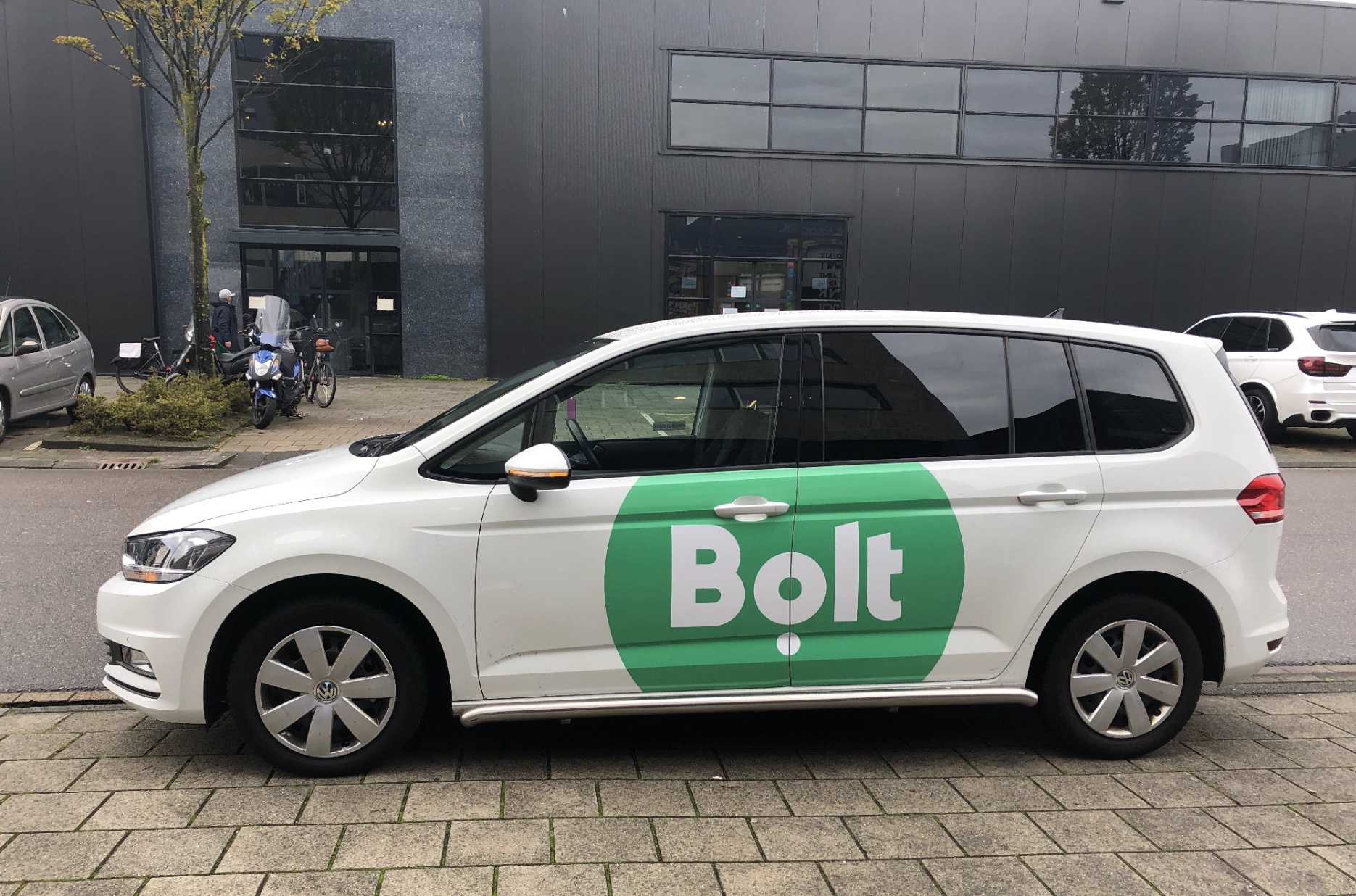
The High Court has ordered ride-hailing firm Bolt to reinstate Toyota Sienta vehicles in its XL category after finding that the company violated drivers’ right to fair administrative action by removing the cars without a hearing or written reasons.
In a judgment delivered by Justice Roselyne Aburili on behalf of Justice Chacha Mwita, the court ruled that Bolt’s decision to exclude the model from the higher-paying category was discriminatory and violated Article 47 of the Constitution, which guarantees the right to fair administrative action.
The court prohibited Bolt Operations OÜ and Bolt Support KE Limited from removing Toyota Sienta vehicles from the XL category or taking similar action against other drivers using the model. It also awarded the petitioners costs of the case, although it declined their request for Sh1 million each in compensation and additional damages for lost earnings.
High Court finds Bolt violated drivers’ rights
The dispute arose in February 2025 when Bolt removed Toyota Sienta vehicles from its XL category, affecting drivers who had operated the model under the higher-paying option since 2017.


The drivers argued that the decision reduced their earning opportunities because XL trips generated between 50 and 100 per cent more revenue than standard Bolt and Bolt Economy trips. Some had also taken out vehicle loans based on their ability to access the category, leaving them exposed to financing obligations after their cars were reclassified.
Justice Aburili found that Bolt removed the affected drivers from the application without giving them a hearing or written reasons. The judge said the company’s actions disregarded the constitutional protections under Article 47.
“The Bolt Operations OÜ and Bolt Support KE Limited untagged the drivers from the Bolt application without giving them a hearing or written reason for their action thereafter which was in total disregard of the constitutional principles in article 47,” the judge said.
The court further held that Bolt’s decision constituted an administrative action that had to be lawful, reasonable and procedurally fair. This meant the company could not rely solely on its contractual relationship with drivers to justify a decision that affected their access to work through the platform.
The ruling places greater emphasis on the procedures ride-hailing companies follow when changing driver eligibility, particularly where those decisions affect the commercial opportunities available to people who have invested in vehicles to serve the platform.
Drivers challenged removal of Toyota Sienta vehicles
The petitioners argued that Bolt had singled out the Toyota Sienta despite allowing other vehicles with comparable characteristics to remain in the XL category. They identified the Honda Freed, Toyota Wish, Nissan Lafesta and Toyota Isis as models that continued to qualify.
The drivers said Bolt’s decision was inconsistent because the affected vehicles offered similar passenger and service characteristics. They also argued that the removal happened without prior notice, an explanation or an opportunity to challenge the reclassification.
On February 10, 2025, the drivers sent a demand letter to Bolt Support seeking an explanation, but the company did not respond, according to the judgment.
The court found that Bolt had not adequately justified treating the Toyota Sienta differently from the other vehicle models. It also noted that the company had not contested the drivers’ claim that the Sienta was the only model removed from the category.
The petitioners had sought broader protections, including an effective complaints and appeals mechanism, clearer communication channels and safeguards against retaliation when drivers challenge decisions affecting their livelihoods. They also wanted Bolt to submit a proposal within 90 days outlining measures to prevent future violations of drivers’ rights, with affected drivers given an opportunity to comment.
Bolt defended its vehicle eligibility decision
Bolt argued that the Toyota Sienta did not satisfy the requirements for its XL category because of limitations in passenger space and luggage capacity.
The company maintained that XL was designed for vehicles with six passenger seats, excluding the driver, while the Sienta was a five-seater. It said a compliance check had established that the model was unsuitable for the category.
Bolt also argued that its relationship with drivers was contractual and that vehicle categorisation was a commercial decision governed by its terms and conditions. It maintained that the dispute concerned a business arrangement rather than constitutional rights.
The court rejected that position, finding that Bolt’s removal of the drivers from XL and the application amounted to an administrative decision subject to constitutional requirements.
“There is no doubt that the respondents’ action to remove the petitioners from Bolt XL and therefore the Bolt application was an administrative decision which had to be lawful, reasonable and procedurally fair,” the court said.
The ruling means Bolt must restore the affected Toyota Sienta vehicles to the XL category and cannot repeat the prohibited action against other drivers using the model. The court, however, declined to award the Sh1 million compensation sought by each petitioner or additional damages for income lost following the reclassification.
Ruling comes amid wider disputes over ride-hailing platforms
The Bolt judgment comes as other disputes over ride-hailing platforms move through Kenya’s courts, particularly cases involving decisions that affect drivers’ ability to earn through digital applications.
On October 26, 2026, the High Court rejected Uber Kenya’s application to be removed from a lawsuit filed by 37 motorcycle riders whose accounts were deactivated. The riders argued that the suspensions cut off their income and affected their ability to repay loans used to finance electric motorcycles.
The riders also said they had not received adequate explanations for the account suspensions. Uber Kenya argued that the Dutch entity Uber B.V. operated the platform and managed the relevant account decisions. The court ruled that Uber Kenya should remain a party so its role could be examined during the substantive hearing.
The case shares an economic dimension with the Bolt dispute, where drivers said the removal of their vehicles from XL affected their earnings despite their continued financial obligations. Both disputes concern access to platform-generated work, although the Uber proceedings involve account deactivation rather than vehicle eligibility.
The wider debate also extends to the commercial terms governing ride-hailing services. In September 2026, the High Court blocked enforcement of Kenya’s 18 per cent ride-hailing commission cap while finding key provisions of the 2022 Transport Network Companies, Owners, Drivers and Passengers Regulations unconstitutional. The court suspended its declaration of invalidity for 12 months to allow the government to address the legal deficiencies through fresh public participation and a regulatory impact assessment.
Bolt has also been expanding its service categories in Kenya. On October 29, 2026, the company introduced Priority, Wait and Save, and Ride by Hour options, giving passengers different choices based on waiting time, pricing and booking duration. Bolt said the new options would create additional earning opportunities for drivers and help reduce idle time.
The Toyota Sienta ruling addresses a different aspect of the platform’s operations, focusing on how Bolt handles vehicle eligibility decisions that affect drivers’ livelihoods. It reinforces the requirement for fair administrative action when the company makes decisions that remove drivers from categories through which they access higher-paying trips.
Go to TECHTRENDSKE.co.ke for more tech and business news from the African continent and across the world.
Follow us on WhatsApp, Telegram, Twitter, and Facebook, or subscribe to our weekly newsletter to ensure you don’t miss out on any future updates. Send tips to info@techtrendsmedia.co.ke