The infrastructure challenge behind Africa's plans to build and deploy artificial intelligence

Africa’s ability to develop and deploy artificial intelligence will depend partly on access to affordable computing infrastructure. AI systems require significant computing capacity, particularly when businesses train models or run applications at scale, placing GPUs, data centres and reliable electricity at the centre of the industry’s development.
The cost of accessing that infrastructure was part of the discussion at Moonshot 2026, where the Emerging Tech programme placed AI and machine learning among the conference’s major themes. The wider debate around African AI development is also reflected in new initiatives aimed at making computing resources available to governments and businesses without requiring every market to build its own facilities.
A World Bank initiative involving Cassava Technologies and Nvidia is one example. Announced in October, the programme is designed to provide governments in emerging markets, initially including African countries, with shared, pay-as-you-go access to GPUs. The World Bank described the model as an alternative to each country developing a standalone national data centre, which can be expensive and slow to establish.
The arrangement places shared computing capacity at the centre of the infrastructure discussion. Governments and businesses can access resources through a common system rather than each having to develop all the necessary computing infrastructure independently. That approach could make access to specialised hardware more practical for institutions that need computing power but cannot justify the cost of building large facilities.


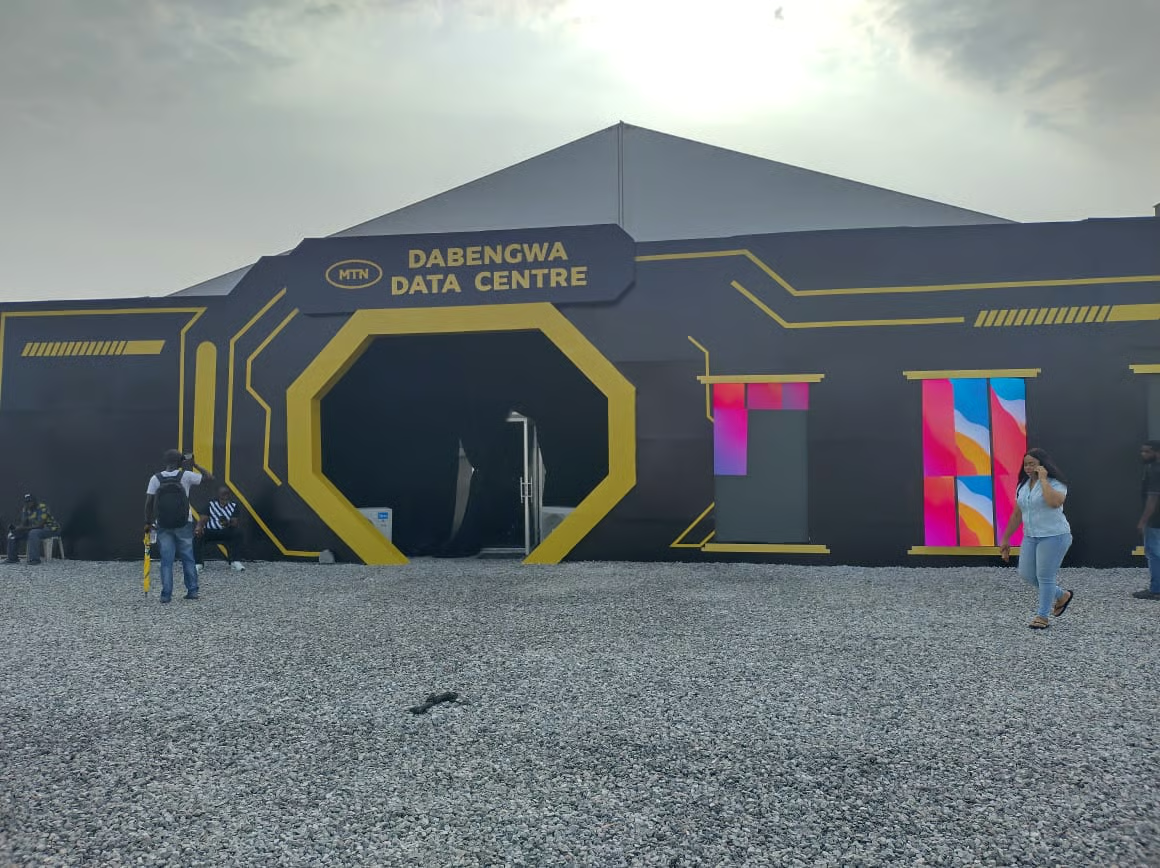
The initiative comes as African technology companies and infrastructure operators pursue their own data-centre plans. MTN has outlined plans to build a larger data-centre and computing business through Africa Data Hub Holding, while Digital Realty’s NBO2 facility in Kenya adds capacity for cloud computing, AI and enterprise services.
These facilities form part of a wider infrastructure chain. Data centres need reliable electricity, connectivity and cooling systems, while businesses need access to cloud platforms and computing services that allow them to develop and run applications. The availability of a data centre in a market does not automatically translate into affordable computing for every developer, but it adds to the infrastructure base from which those services can be provided.
Energy is particularly important because AI computing can place substantial demands on electricity systems. TechTrendsKE’s September reporting on AMACO’s proposed $1.5 billion AI data centre in Mombasa described a plan combining computing infrastructure with dedicated LNG-powered electricity generation.
The project illustrates how data-centre investment is becoming connected to energy planning. Operators seeking to provide computing capacity must consider the power required to run their facilities, while governments and investors need to account for the infrastructure needed to support that demand.
Kenya’s existing data-centre market is also part of the picture. The launch of NBO2 added capacity for cloud services and regional interconnection, complementing submarine cable and fibre infrastructure. Such facilities can support businesses that need local or regional computing resources, including companies developing AI-powered services.
For African startups and technology companies, access to computing capacity can influence the cost of developing products and serving customers. Developers need resources to train and run models, while businesses deploying AI applications must pay for the computing used to process requests. These costs form part of the economics of building AI services, alongside software development, data management and skilled personnel.
Shared GPU access offers one potential route to widening access. Data-centre expansion offers another, while partnerships with cloud providers can allow companies to use computing resources without owning the underlying hardware. The approaches can serve different requirements, depending on the scale of computing needed and the services available in each market.
The infrastructure question also has implications for African governments. Public institutions exploring AI applications need computing capacity for data processing, research and service development. Shared infrastructure could provide an option for governments that want access to specialised hardware without independently building and operating a national facility.
The World Bank, Cassava and Nvidia initiative places that model within a broader effort to expand access to AI computing. Meanwhile, data-centre investments by regional operators and international companies are adding capacity to the infrastructure market.
Africa’s AI ambitions will therefore be shaped by the cost and availability of the systems behind the applications. Developers may be able to build products for local markets, but their ability to operate them at scale depends on computing resources, connectivity and energy infrastructure that can support commercial use.
Go to TECHTRENDSKE.co.ke for more tech and business news from the African continent and across the world.
Follow us on WhatsApp, Telegram, Twitter, and Facebook, or subscribe to our weekly newsletter to ensure you don’t miss out on any future updates. Send tips to info@techtrendsmedia.co.ke


