Bolt brings electric ride-hailing to Johannesburg as South Africa fleet expands

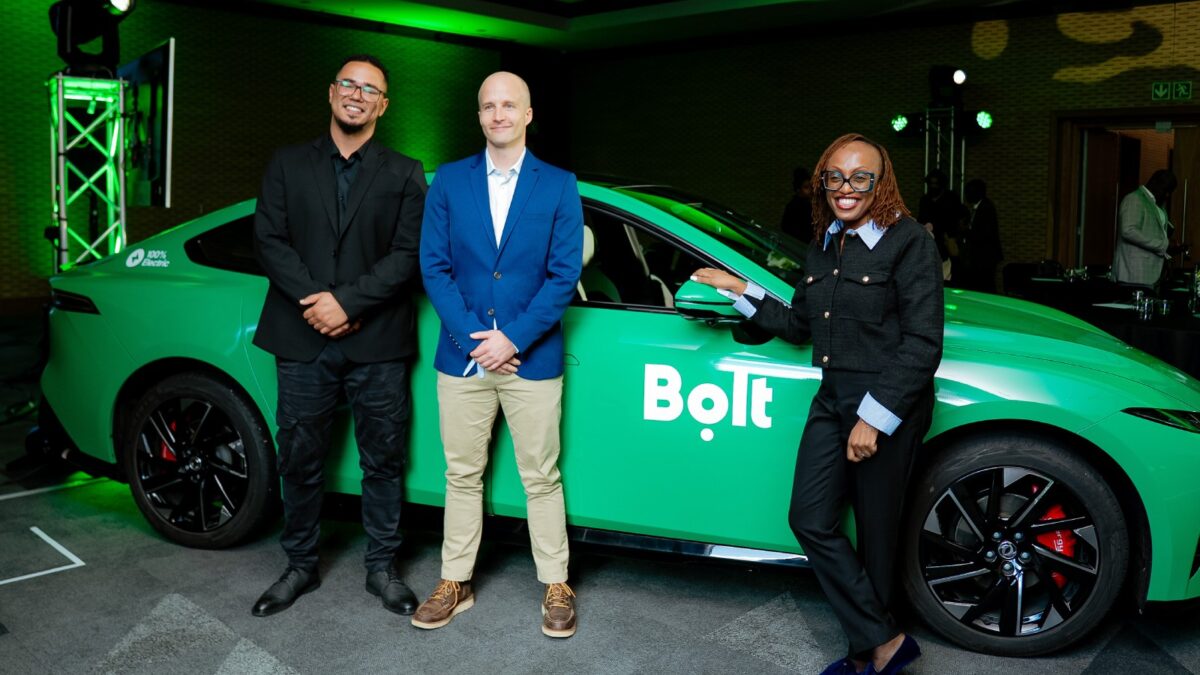
Bolt has expanded its electric ride-hailing service to Johannesburg through a partnership with the South African Meter Taxi and E-Hailing Association (Samtea), electric vehicle manufacturer BYD and other industry stakeholders.
The launch extends Bolt’s electric mobility operations beyond Cape Town, where the company introduced an EV category earlier in 2026. Bolt electric vehicles in South Africa are part of a broader effort to make electric transport commercially viable for drivers, fleet operators and passengers, with the company targeting a fleet of 500 EVs nationwide by December 2026.
The Johannesburg launch brings together digital ride-hailing and traditional metered-taxi interests around the adoption of electric vehicles. Bolt South Africa general manager Graham Walker said the collaboration demonstrates how the two sectors can work together to develop cleaner and more inclusive urban transport. He also pointed to the potential for electric vehicles to reduce operating and maintenance costs for driver-partners and fleet operators, making the economics of vehicle ownership an important part of the rollout.
Bolt extends its EV service beyond Cape Town
The Johannesburg expansion builds on Bolt’s earlier electric ride-hailing launch in Cape Town. The company is seeking to grow its South African EV fleet while developing partnerships that can support vehicle deployment and day-to-day operations. Its December target gives the rollout a measurable objective as electric vehicles become part of its wider transport offering.


The move also follows a Cape Town initiative involving fleet partner YugoRide and Chinese automaker Dongfeng, which featured in TechTrendsKE’s earlier reporting on the market. The Johannesburg collaboration brings Samtea and BYD into focus, reflecting the role that industry associations, vehicle manufacturers and other partners can play in getting electric cars onto ride-hailing platforms.
For drivers, the financial case depends on the total cost of running a vehicle. Electricity can be cheaper than petrol on a per-kilometre basis, while electric powertrains generally require less routine maintenance than combustion engines. However, vehicle financing, insurance, tyre replacement and charging time also affect profitability, particularly for drivers who depend on their cars for daily income.

Taxi-sector collaboration shapes the rollout
Samtea’s participation gives the Johannesburg initiative an industry dimension beyond vehicle electrification. Metered-taxi operators and e-hailing platforms have competed for passengers, but both face practical concerns around operating costs, driver livelihoods and passenger safety. Samtea chairperson Sibongiseni Shange said cooperation could help the sector adapt while building stronger protections for drivers and passengers.
Samtea is affiliated with the South African National Taxi Council, linking the initiative to the country’s wider taxi industry. The association’s position is that operators need to participate in a more formalised transport sector to improve sustainability and protect the interests of businesses, drivers and passengers. The partnership offers a way to bring those concerns into discussions about electric mobility and the commercial arrangements required to support it.
The approach also reflects the importance of fleet partners in reducing the barriers to EV adoption. Where drivers can access vehicles through structured fleet or financing arrangements, they may avoid carrying the full upfront purchase cost themselves. The resulting business model must still leave enough income after repayments and operating expenses to make electric ride-hailing attractive over the long term.
Kenya offers a regional comparison for electric mobility
Bolt’s Johannesburg expansion sits within a wider African electric-mobility strategy that includes initiatives in Kenya and Nigeria. Its Kenyan operations offer a useful comparison because the company has worked with financing and mobility partners to support electric motorcycles, a segment with different vehicle costs, charging requirements and usage patterns from passenger cars.
TechTrendsKE’s reporting on Bolt’s Kenyan electric-motorcycle programme has highlighted the importance of financing and battery-swapping infrastructure in helping drivers adopt electric vehicles. Partnerships can reduce upfront barriers and make energy access more practical, particularly for riders who need to keep their vehicles working throughout the day. The same underlying commercial questions apply to electric cars, even though their charging arrangements and capital requirements differ.
Charging infrastructure will be central to the viability of the South African rollout. Ride-hailing vehicles can cover substantial distances during a working day, which creates an opportunity to save on energy costs but also makes charging downtime consequential. Drivers and fleet operators need access to reliable charging at locations and times that fit their schedules, alongside vehicle financing and maintenance support.
Bolt operates electric ride categories in more than 70 cities worldwide, according to the company, giving the South African initiative a place within its wider mobility strategy. Its immediate task is to build a model that works for local drivers and fleet operators while expanding access to electric transport. The Johannesburg launch brings another city into that effort, with the December 2026 fleet target providing the next measure of progress.
Go to TECHTRENDSKE.co.ke for more tech and business news from the African continent and across the world.
Follow us on WhatsApp, Telegram, Twitter, and Facebook, or subscribe to our weekly newsletter to ensure you don’t miss out on any future updates. Send tips to editorial@techtrendsmedia.co.ke