
Apple iPhone 18 Pro: A closer look at the camera, design, performance and battery upgrades

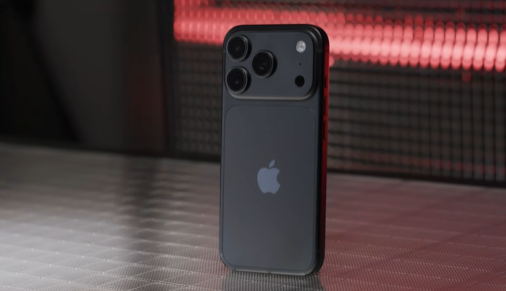
The iPhone 18 Pro and iPhone 18 Pro Max introduce a series of camera, performance and battery improvements while retaining the overall design language of the previous generation.
The biggest change is the addition of a variable-aperture main camera, which gives users more control over light intake and depth of field. Apple has also introduced the A20 Pro chip, a redesigned thermal system, expanded camera controls and a smaller Dynamic Island.
The new Pro models are positioned as more capable tools for photography, video production, gaming and other demanding tasks. At the same time, the familiar exterior shows that Apple’s focus this year is on refining the internal hardware and expanding the functionality of the Pro experience.
iPhone 18 Pro design and display
The iPhone 18 Pro retains the broad design approach introduced with recent Pro models. The phones feature a familiar flat-edged chassis, a large rear camera system and a premium glass-and-metal construction, with the main visual changes appearing in the available colours and rear-panel treatment.

The new colour options include white, deep black, glacier and burgundy. Apple has also made the rear glass and camera area appear more closely colour-matched, giving the back of the phone a more unified appearance.
The iPhone 18 Pro features a 6.3-inch display, while the iPhone 18 Pro Max comes with a 6.9-inch screen. Both models retain ProMotion technology and support high refresh rates, with the Pro range continuing to target users who want a large, bright display for photography, video, gaming and everyday use.

One of the more noticeable front-facing changes is the smaller Dynamic Island. Apple has moved components associated with Face ID, including the infrared hardware, beneath the display. This reduces the visible space occupied by the front-facing system while preserving the functionality of Face ID.
The Dynamic Island also remains integrated into iOS for live activities, notifications and background tasks. Its smaller footprint gives the display a slightly cleaner appearance, while the software continues to support multiple active functions.
Variable-aperture camera brings more control
The main camera is the centrepiece of the iPhone 18 Pro’s imaging upgrades. The phone features a 48MP main camera with a variable aperture ranging from approximately f/1.48 to f/4.
A variable aperture allows the lens to adjust how much light reaches the sensor. At the wider f/1.48 setting, the camera can admit more light and create a shallower depth of field in suitable shooting conditions. Narrowing the aperture towards f/4 allows more of the scene to remain in focus.
This gives the iPhone 18 Pro greater control over the appearance of photographs, especially for close-up subjects, portraits, product photography and compositions where the photographer wants to decide how much of the background should remain sharp.
The aperture can also affect the appearance of bright light sources. Narrower settings can create more pronounced starburst effects around lights, adding another creative option for night photography and urban scenes.
The wider aperture may also help in low-light situations by allowing more light into the camera. In certain conditions, this can support lower ISO settings, faster shutter speeds or shorter Night mode exposures. The improvement will depend on the scene, the amount of available light and how the camera’s computational processing combines with the optical system.
The variable aperture does not make the iPhone equivalent to a DSLR or mirrorless camera. The phone still uses a small sensor and compact lens system, which limits natural optical depth of field compared with larger dedicated cameras. Its value is in giving a smartphone camera more flexibility while retaining the convenience of computational photography.
Manual photography and video tools
The variable aperture is supported by a broader set of camera controls that make the iPhone 18 Pro more useful for deliberate photography and video production.
The native Camera app includes controls for settings such as shutter speed, focus, white balance and exposure. Focus peaking helps users identify areas that are in focus, while a histogram provides a visual guide to exposure. These tools give photographers more direct control over the capture process instead of requiring the camera to make every decision automatically.
Manual shutter control is particularly useful for creative photography. A faster shutter can help freeze movement, while a slower shutter can introduce motion blur or create a more deliberate visual effect. Manual focus is also useful when shooting subjects behind foreground objects, recording products or controlling which part of a scene receives attention.
The camera system also includes new tools for video creators. Smart Focus Tracking allows a subject to be selected and tracked as it moves through the frame, helping maintain focus during recordings involving people, pets, sports or other moving subjects.
Another feature allows cinematic-style focus adjustments to be made after recording. With compatible footage captured using the main camera, users can adjust focus transitions, select subjects and refine the timing of focus changes through editing. This gives creators more flexibility because some decisions can be made after the footage has been captured.
The iPhone 18 Pro also continues Apple’s focus on high-resolution video capture, including 4K recording at high frame rates. The combination of manual controls, focus tracking and post-capture editing makes the device more suitable for solo creators, mobile journalists, social-video producers and filmmakers working without a full camera crew.
A20 Pro chip and improved thermal management
The iPhone 18 Pro series is powered by Apple’s A20 Pro chip, which is described as using a 2nm manufacturing process. The chip includes a six-core CPU and a seven-core GPU, with improvements aimed at processing speed, graphics performance, AI workloads and power efficiency.
The more important change may be the redesigned thermal architecture supporting the processor. Apple has expanded the vapour chamber and adjusted the internal component layout to improve heat transfer. The design also uses additional materials and the phone’s chassis to help distribute heat more evenly.
Thermal management becomes important when a device is used for extended periods of demanding activity. Gaming, 4K video recording, video exports, AI processing and sustained multitasking can generate significant heat, which may reduce performance if it is not managed effectively.
The iPhone 18 Pro’s cooling system is intended to maintain high performance for longer periods and reduce the concentration of heat around the processor. This is different from simply increasing peak benchmark performance. For everyday tasks such as messaging, browsing and opening apps, the difference may be less obvious, but demanding workloads stand to benefit more from improved sustained performance.
The A20 Pro also supports the phone’s camera processing and on-device AI features. As Apple adds more computational features to photography, video and system functions, the processor and thermal system become increasingly important to the overall experience.
Battery life and charging
Battery life is another major focus of the iPhone 18 Pro series. Apple rates the iPhone 18 Pro for up to 36 hours of video playback, while the iPhone 18 Pro Max is rated for up to 45 hours under the company’s stated playback conditions.
Apple also provides separate usage estimates that are lower than the maximum video-playback figures. These measurements should be understood as different benchmarks rather than interchangeable descriptions of ordinary daily use. Video playback, screen-on activity, mobile data, gaming, camera use and background processes place different demands on a phone.
The iPhone 18 Pro is also reported to receive a larger battery than previous smaller Pro models, bringing its endurance closer to the battery class previously associated with the Pro Max. This makes the smaller model more appealing to users who want a more manageable phone without giving up strong battery life.
The iPhone 18 Pro Max remains the endurance-focused model because of its larger physical size and battery capacity. It is aimed at users who spend long periods recording video, gaming, navigating, streaming content or working away from a charger.
The phones also support fast charging, with Apple highlighting rapid wired charging under compatible conditions. Actual charging speeds depend on the charger, cable, power source, battery level and device temperature.
Siri, Apple Intelligence and other software features
The iPhone 18 Pro series includes software improvements through iOS 27 and Apple’s wider Apple Intelligence platform. Siri is presented as more context-aware and better able to work with information across apps and personal tasks.
Examples include retrieving information from messages, using stored context such as food preferences or allergies, creating grocery lists and adjusting quantities. These functions are intended to make voice assistance more useful in ordinary situations where a request involves multiple pieces of information.
Siri still has limitations. Some actions available through other AI assistants, such as completing certain bookings or transactions, may not be supported in every context. Current-information queries can also depend on the available data sources and regional support.
Apple Intelligence availability varies by language, region and rollout schedule. As a result, features demonstrated in one market should not automatically be assumed to be available in every country, including Kenya.
The iPhone 18 Pro also supports ecosystem features such as iPhone Handoff, which allows supported users to switch a mobile number between compatible iPhones. This is particularly relevant to people who use more than one iPhone, although the feature is tied to iOS and carrier support rather than being exclusive to the 18 Pro hardware.
iPhone 18 Pro and iPhone 18 Pro Max specifications
| Feature | iPhone 18 Pro | iPhone 18 Pro Max |
|---|---|---|
| Display | 6.3-inch | 6.9-inch |
| Processor | A20 Pro | A20 Pro |
| Main camera | 48MP variable aperture | 48MP variable aperture |
| Aperture range | Approximately f/1.48 to f/4 | Approximately f/1.48 to f/4 |
| Video | High-resolution video, including 4K recording | High-resolution video, including 4K recording |
| Dynamic Island | Smaller design | Smaller design |
| Battery | Improved capacity over previous smaller Pro model | Larger capacity and longer rated endurance |
| Storage | Starts at 256GB | Starts at 256GB |
| Maximum storage | Up to 2TB | Up to 2TB |
The two models share the core camera and processor platforms. The main differences are their physical size, display dimensions, battery capacity, weight and price.
iPhone 18 Pro availability and pricing
iPhone 18 Pro starts at $1,199 for the 256GB model, while the iPhone 18 Pro Max starts at $1,299 for 256GB. Higher storage configurations are available, with the range extending to 2TB.
These are US prices and should not be treated as Kenyan retail prices. The final cost in Kenya will depend on local availability, taxes, importer or distributor pricing, storage configuration, warranty arrangements and the regional variant being sold.
Buyers in Kenya should also confirm whether a particular imported model supports the SIM configuration they need, including eSIM compatibility and local carrier support. Apple Intelligence and related software features may also vary according to language and region.
The iPhone 18 Pro series represents a substantial refinement of Apple’s Pro formula. Its most distinctive addition is the variable-aperture main camera, while the A20 Pro chip, improved thermal system, stronger battery performance and expanded video tools make the phones more capable for demanding use. The familiar design means the biggest changes are found beneath the surface, where Apple has focused on camera control, sustained performance and endurance.
Real ESG impact doesn’t happen in panels alone, it happens in the rooms where financiers, operators, and policymakers actually align. Our GreenShift Forum 2026 cuts the noise, bringing together the people rewiring Africa’s sustainability and energy frameworks for one focused day in Nairobi. Secure your seat.
Go to TECHTRENDSKE.co.ke for more tech and business news from the African continent and across the world.
Follow us on WhatsApp, Telegram, Twitter, and Facebook, or subscribe to our weekly newsletter to ensure you don’t miss out on any future updates. Send tips to info@techtrendsmedia.co.ke


