
Anker enters Kenya with an 18-month warranty, local service centres and a regional growth strategy


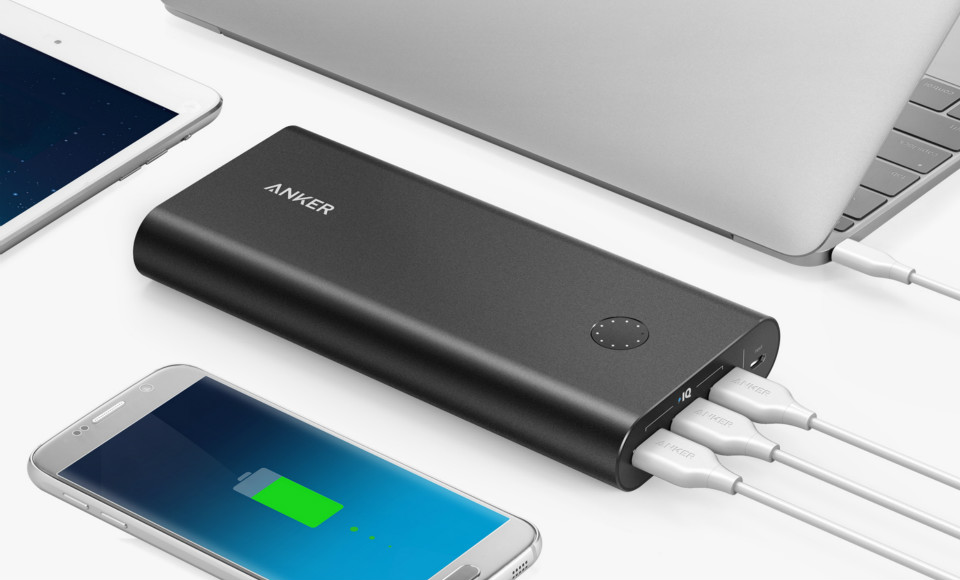
Anker has officially entered the Kenyan market with a broader ambition than selling chargers and power banks.
The global consumer technology company says Kenya will serve as its first operational base for East Africa, backing that plan with a $1 million (KSh129.2 million) initial investment, an 18-month warranty across its product range and two service centres in Nairobi as it builds its regional presence.
The company unveiled its charging, portable power, audio and smart home portfolio during a launch event in Nairobi attended by dealers, technology enthusiasts, creators and retail partners. While the immediate focus is on Kenyan consumers, Anker says the operation will help shape its expansion into neighbouring markets.
Why Kenya sits at the centre of Anker’s plans
Anker Kenya Country Manager John Kiprotich said the company identified a gap for original, durable technology accessories in a market where lower-cost alternatives dominate many retail shelves.
“We have realised that we have a gap of original products. Anker is one of the key brands that has a name globally, and we think that in Kenya we have a gap of that,” Kiprotich said during the launch.
The company is working with regional distributors and retail partners to expand its reach beyond the launch event. It plans to begin its rollout across seven counties, including Nairobi, Nakuru, Kisumu, Mombasa, Meru and Machakos, before widening its retail network across the country.

Kiprotich also said Anker could explore local value-chain opportunities in future if market demand and Kenya’s regulatory environment support deeper investment.
The market opportunity behind the launch
The expansion comes as Kenya’s digital economy continues to create demand for accessories that support multiple connected devices. According to the Communications Authority of Kenya, active mobile subscriptions reached 84.1 million during the third quarter of the 2025/26 financial year, while smartphones accounted for 63.7% of devices connected to mobile networks. Mobile broadband consumption also climbed to 800 million gigabytes, with 5G users averaging 53.5GB of data per subscription.
Those figures reflect how phones have become central to banking, work, education and entertainment, creating demand for chargers, power banks and audio devices that can keep pace with heavier daily use.
How Anker plans to compete
At the centre of Anker’s charging lineup is GaNPrime technology, which replaces traditional silicon with gallium nitride semiconductors to produce smaller chargers capable of delivering higher power while reducing heat and energy loss. The latest GaNPrime 2.0 platform combines that hardware with PowerIQ 5.0 for intelligent power distribution and ActiveShield 4.0 for thermal management.
Compatible products can deliver up to 140W, while the flagship Prime 250W charging station distributes power across six ports, making it suitable for homes, offices and users carrying several connected devices.
Kiprotich described Kenya as a price-sensitive market but said the company’s strategy is built around long-term value rather than competing solely on price.
“Anker is somehow not expensive, but it’s worth whatever you are paying for,” he said.
That positioning places Anker alongside brands such as Xiaomi, Oraimo, UGREEN and Baseus, where buyers often weigh price against warranty, reliability and after-sales support.
The company says its 18-month warranty applies across products ranging from charging cables to smart security devices. Customers can exchange faulty products through retailers, supported by Anker’s Nairobi service centres, while products requiring more extensive repairs are returned to the manufacturer.
Beyond charging into a wider device ecosystem
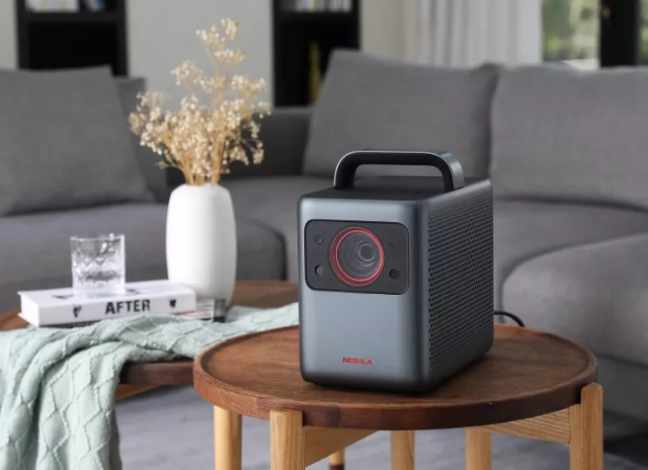
Anker’s Kenyan portfolio extends beyond charging accessories. Under the Soundcore brand, the company has introduced wireless earbuds, headphones and portable speakers, while its Eufy range brings smart home and security products, including CCTV cameras, into the local market.
The broader product mix reflects Anker’s effort to build an ecosystem around consumers who own several connected devices rather than relying on a single product category. As the company expands beyond its initial county rollout, it is betting that Kenya’s growing digital economy can support a wider portfolio before it takes the same playbook into the rest of East Africa.
Download the FREE Kaspersky Next Enterprise Security Guide here to explore the complete framework for simplifying security operations and building cyber resilience.
Go to TECHTRENDSKE.co.ke for more tech and business news from the African continent and across the world.
Follow us on WhatsApp, Telegram, Twitter, and Facebook, or subscribe to our weekly newsletter to ensure you don’t miss out on any future updates. Send tips to editorial@techtrendsmedia.co.ke


