
SBM Bank Kenya Profit Surges 171pc on Lower NPLs

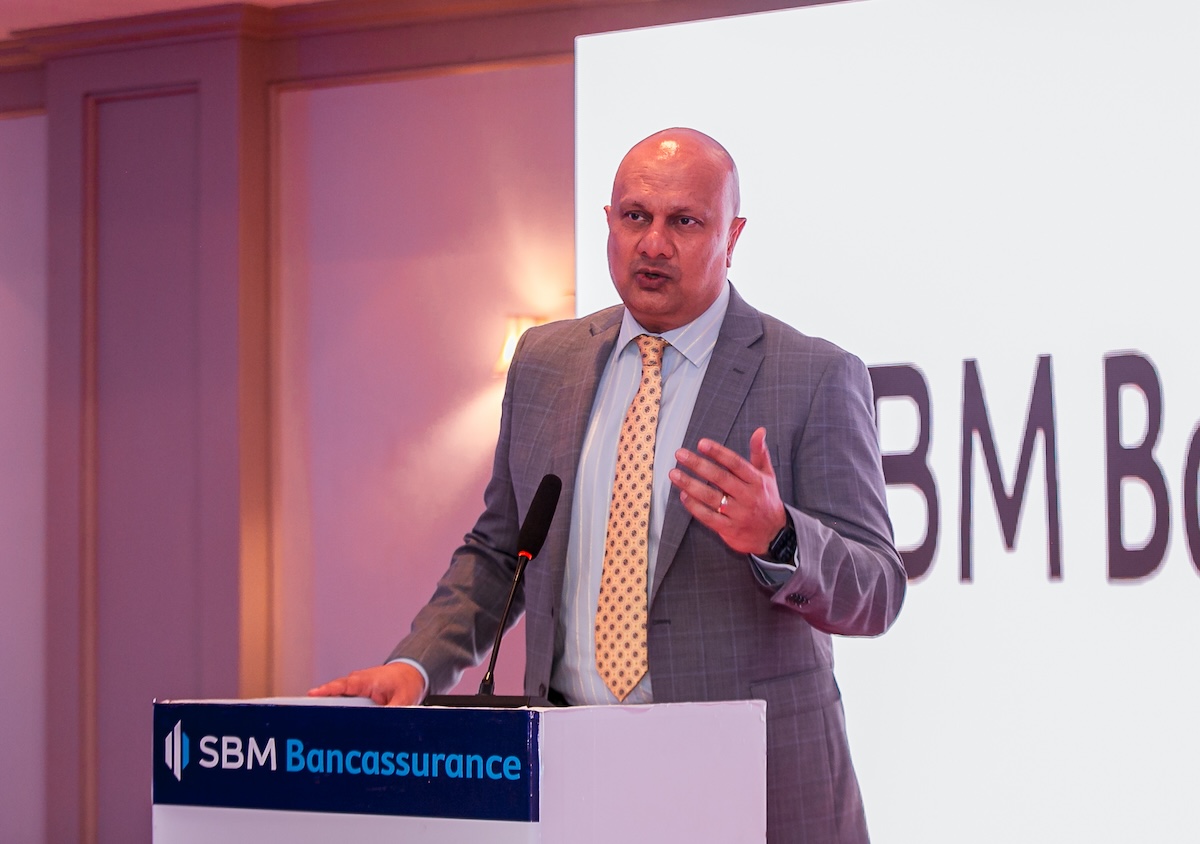
SBM Bank Kenya’s profit before tax jumped 171 percent to Sh548 million in the half-year ended June 2026, helped by a sharp improvement in asset quality and higher income from customer transactions.
The lender had posted a profit before tax of Sh202 million in a similar period last year. Operating profit nearly quadrupled to Sh852 million, up from Sh225 million a year earlier.
Customer deposits grew 24 percent to Sh94 billion, while net loans and advances rose 18 percent to Sh54.1 billion. The bank’s gross non-performing loan ratio fell to 17.3 percent from 32.4 percent a year earlier, as it worked through its bad debt book.
Total assets climbed to Sh109.9 billion and shareholders’ equity rose to Sh11.1 billion, with capital and liquidity ratios staying above Central Bank of Kenya minimums.


Net interest income rose to Sh2.2 billion, while non-funded income, including transaction fees, grew 54 percent to Sh1.39 billion on higher customer activity. Total operating income rose 35 percent, outpacing a 12 percent rise in operating expenses.
“These results are about far more than stronger profitability. They demonstrate the continued strengthening of our institution,” said SBM Bank Kenya chief executive Bhartesh Shah, adding that the bank had spent the past two years building higher-quality earnings and a more resilient balance sheet.

Shah said the growth in deposits reflected trust, with customers picking banks they see as financially strong and well governed.
The bank also upgraded its core banking platform to Oracle FLEXCUBE 14.8 during the half, becoming the first bank globally to go live on the version. It expanded its Mastercard offering, grew its Busara Kids Banking App and loyalty programme, and rolled out free PesaLink transfers of up to Sh1 million on its Mfukoni mobile and online banking platforms.
SBM Bank Kenya is part of the SBM Group, whose parent, SBM Holdings Ltd, is listed on the Stock Exchange of Mauritius and is majority-owned by Mauritian public-sector institutions.
Download the free Kaspersky SMB Cybersecurity Guide here to learn how businesses can move beyond traditional antivirus and build a more resilient approach to cybersecurity.


