
How the World Cup Put Prediction Markets at the Centre of a Global Regulatory Debate

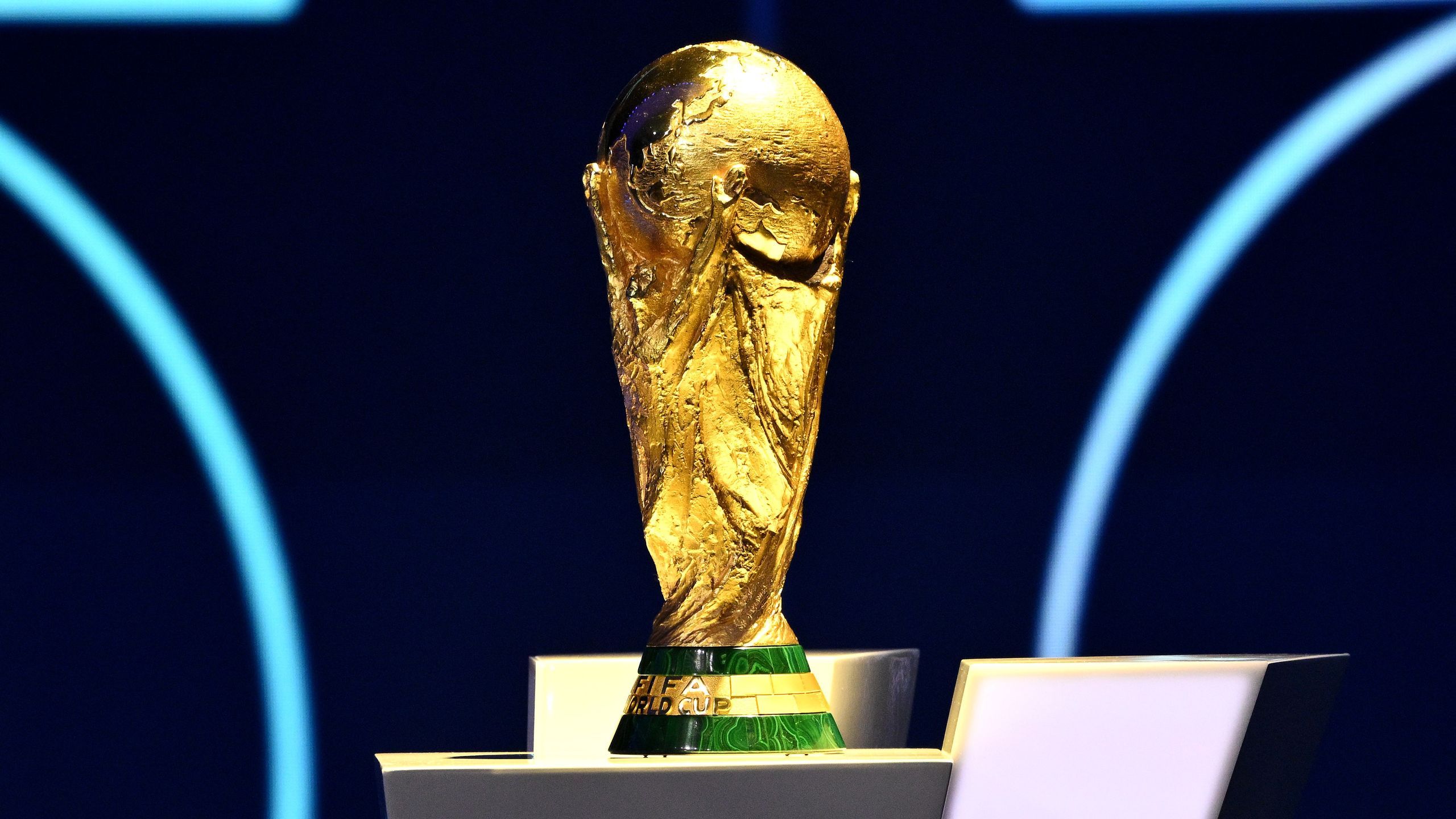
The FIFA World Cup final has turned prediction markets into one of this year’s biggest technology and fintech stories. Ahead of Sunday’s showdown between Argentina and Spain, more than $5.69 billion was tied to the outcome across Kalshi and Polymarket, highlighting how event-based trading has expanded well beyond cryptocurrency circles and into the mainstream. What began as a niche way to trade contracts on future events has become a global business attracting millions of users, major technology companies and growing regulatory attention.
The World Cup has become the biggest proving ground yet for prediction markets, helping push monthly trading volumes to levels that few industry observers expected just a year ago. The surge has attracted millions of new users, drawn the attention of major technology companies and prompted regulators across several countries to examine how these platforms should be governed.
Prediction markets allow participants to buy and sell contracts tied to future events, with prices reflecting the probability that those outcomes will occur. Markets cover everything from elections and interest rate decisions to sporting events, entertainment and business developments.
Football’s biggest tournament has proved to be the category’s defining moment.


Beyond the World Cup winner, users traded contracts on the Golden Boot race, third-place playoff results and a range of match-related outcomes. The scale of participation has turned the tournament into what analysts describe as the largest prediction market event to date.
Data tracked by Dune Analytics shows monthly trading volume across prediction markets exceeded $50 billion in June, compared with roughly $2 billion during the same month last year. Analysts at Macquarie Group estimate the tournament helped multiply activity across Kalshi and Polymarket several times over.

Kalshi also reported a sharp jump in app downloads after the competition began, highlighting the role live sporting events now play in introducing consumers to prediction-based trading.
The commercial opportunity has attracted far more than football fans.
Kalshi and Polymarket generate revenue through transaction fees rather than traditional sportsbook margins, positioning themselves as marketplaces where users trade contracts instead of betting directly against the house.
That marketplace model has attracted attention from investors looking beyond sports wagering. Many now see prediction markets as digital exchanges that aggregate expectations about future events through market pricing.
The industry’s rapid expansion has also encouraged established companies to enter the category. DraftKings and FanDuel have introduced their own prediction market offerings, while cryptocurrency exchange Gemini has also entered the space.
Reports indicate Meta examined acquiring Kalshi before deciding to develop its own experimental prediction platform, known internally as Arena. Rather than supporting real-money contracts, Arena is reported to rely on virtual currency, allowing Meta to explore prediction-based participation while avoiding many of the regulatory questions surrounding cash wagering.
The move illustrates how prediction markets are no longer viewed solely as gambling products. Technology companies see them as another way for users to engage with live events, public conversations and real-time information.
Interest extends well beyond Silicon Valley.
Institutional investors, analysts and financial firms have begun paying closer attention to prediction markets as another source of real-time expectations. Rather than relying only on surveys or forecasts, market prices offer a continuously updated view of what participants believe is likely to happen.
That has broadened discussion about where prediction markets could eventually be used.
Supporters argue that event contracts may develop into tools that help businesses monitor economic expectations, manage certain risks and complement traditional forecasting. Others believe the same infrastructure could eventually support markets linked to artificial intelligence, commodities or broader economic indicators.
Whether those ambitions materialise will depend on one factor above all else: liquidity.
Prediction markets need a steady flow of buyers and sellers to produce reliable prices. Large, active markets tend to generate stronger pricing, while thinly traded contracts can produce less dependable signals. As more companies enter the sector, maintaining deep, liquid markets may prove just as important as attracting new users.
The industry’s rapid rise has also drawn closer regulatory scrutiny.
Several U.S. states continue to challenge whether prediction markets should be treated as financial exchanges or sports betting operations. Michigan is among the states that have taken legal action against Kalshi over its sports-related offerings.
Outside the United States, oversight is also becoming more assertive.
France blocked access to Polymarket after its gambling regulator concluded the platform was offering unauthorised betting services and raised concerns about potential gambling losses and market manipulation. Earlier this year, Spain temporarily restricted access to both Kalshi and Polymarket, while U.S. regulators have begun consulting on new rules covering prediction markets.
Those developments show that future competition will depend not only on product design and user growth but also on how platforms adapt to evolving legal frameworks across different jurisdictions.
The World Cup has demonstrated that prediction markets can attract audiences far beyond financial traders.
For many users, buying a contract has become another way to experience live sport alongside friends, social media discussions and broadcast coverage. That consumer appeal has helped prediction markets break into mainstream culture at a pace few expected.
At the same time, the tournament has exposed the industry’s biggest questions.
Can prediction markets sustain record activity once the World Cup ends? Will more governments classify them as financial products or gambling platforms? Can new entrants compete with established operators that already benefit from scale and liquidity?
Those questions are likely to shape the next phase of the industry.
For now, one outcome is already clear. The World Cup final has done more than crown a football champion. It has introduced millions of people to a new category of digital marketplace where finance, technology and live events meet, placing prediction markets firmly on the radar of investors, regulators and some of the world’s largest technology companies.
Download the free Kaspersky SMB Cybersecurity Guide here to learn how businesses can move beyond traditional antivirus and build a more resilient approach to cybersecurity.


