

Kenya's Shift to Digital Traffic Enforcement Has Bigger Implications Than Fines
Motorists accused of minor road offences can now settle penalties through a notification process as authorities expand digital enforcement, traffic cameras and the use of demerit points.

Kenya has begun implementing one of the most significant changes to road traffic enforcement in recent years, introducing a framework that allows many minor offences to be settled through prescribed penalties rather than mandatory court appearances.
The changes, which took effect at the beginning of June, reshape how Kenya traffic fines are administered and signal a broader shift toward digital enforcement, automated evidence collection, and technology-driven compliance monitoring.
Government officials say the reforms are intended to improve adherence to traffic laws, reduce pressure on traffic courts, and support wider efforts to improve road safety as the country records persistent concerns over crashes and dangerous driving.
What Has Changed Under the New Traffic Enforcement Rules
Under the revised framework, motorists accused of certain minor traffic violations will no longer be automatically arrested or required to appear before a magistrate.


Instead, authorities may issue a traffic offence notification outlining the alleged offence, the prescribed penalty, and the available response options.
Drivers who receive a notification can either admit responsibility and pay the prescribed fine within the stipulated period or challenge the allegation in court if they believe the accusation is incorrect.
The changes introduce an administrative settlement mechanism while preserving the right to seek a judicial determination where disputes arise.
For many motorists, the most visible difference will be the reduced likelihood of being drawn into lengthy court processes for relatively minor infractions.
How Motorists Will Receive Traffic Offence Notifications
Authorities may deliver notifications in several ways.
A notice can be handed directly to a motorist by a police officer, placed on a vehicle, or transmitted electronically through SMS, email, or approved digital traffic enforcement systems.
Each notification is expected to include details such as the nature of the offence, where and when it occurred, the amount payable, and the deadline for responding.
The government is urging motorists to ensure their contact information within the National Transport and Safety Authority database remains accurate and up to date.
As enforcement becomes increasingly digital, outdated phone numbers or email addresses could result in motorists missing important notices.
Cameras and Digital Systems Take a Bigger Role
Beyond the administrative changes, the regulations establish a stronger legal foundation for electronic traffic enforcement.
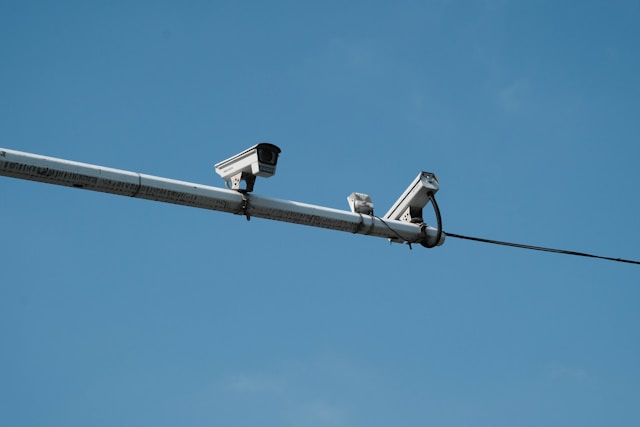
Traffic offences may now be detected through cameras and other monitoring systems capable of collecting evidence without requiring a physical traffic stop.
Where sufficient evidence exists, authorities may issue notices to either the driver or the registered owner of the vehicle.
The development reflects a growing government investment in intelligent transport systems and digital monitoring tools designed to improve compliance and strengthen enforcement capabilities.
It also marks a shift away from a system heavily dependent on roadside interactions toward one increasingly supported by automated technologies.
What Drivers Can Do After Receiving a Notice
Receiving a notification does not amount to an automatic conviction.
Motorists retain the right to review evidence and challenge allegations before a court.
The government says drivers will be able to access supporting evidence, including photographs and video recordings captured through enforcement systems where applicable.
This safeguard is intended to ensure that motorists can contest accusations where they believe an error has occurred.
The framework therefore combines administrative penalties with procedural protections aimed at preserving due process.
Why Ignoring a Traffic Fine Could Cost More
Authorities have warned motorists against disregarding notifications.
Failure to respond, pay the prescribed penalty, or appear in court when required may expose an individual to more serious consequences.
A court may ultimately impose penalties that exceed the original prescribed fine, depending on the circumstances of the case.
The new framework is designed around compliance, meaning the notifications are intended to trigger action rather than serve as optional reminders.
The Return of Demerit Points
One of the most consequential aspects of the reforms may not be the fines themselves but the reintroduction of demerit points.
Drivers who repeatedly commit traffic offences may accumulate points against their licences.
Over time, excessive demerit points can lead to licence suspension or cancellation.
The system is designed to identify habitual offenders and encourage behavioural change rather than focusing solely on financial penalties.
Road safety experts often view demerit systems as an effective way of targeting repeat violations that contribute disproportionately to crash risks.
How Much Motorists Will Pay for Common Offences
The revised schedule introduces varying penalties depending on the nature of the offence.
Failure to carry a driving licence or renew it attracts a Sh1,000 fine.
Offences such as disobeying traffic signs, driving without the correct licence endorsement, and carrying excess passengers attract penalties of Sh3,000.
Driving on a pavement, failing to stop when directed by a police officer, and operating a public service vehicle while unqualified attract fines of Sh5,000.
More serious violations, including driving without a valid inspection certificate, displaying number plates improperly, and causing obstruction on public roads, carry penalties of Sh10,000.
Speeding fines are graduated according to the extent of the violation. Drivers exceeding the speed limit by six to ten kilometres per hour face a Sh500 penalty. The fine increases to Sh3,000 for those exceeding the limit by eleven to fifteen kilometres per hour and reaches Sh10,000 where the excess speed falls between sixteen and twenty kilometres per hour.
Why the Government Is Changing Traffic Enforcement
The reforms arrive amid rising concerns about road safety and longstanding complaints about inefficiencies within the handling of traffic cases.
Thousands of relatively minor offences pass through courts every year, consuming judicial resources and contributing to case backlogs.
By allowing administrative settlement of certain violations, policymakers hope to reserve court time for more serious matters while maintaining accountability for everyday traffic offences.
The move also aligns with broader efforts to modernise transport regulation through digital infrastructure and automated enforcement tools.
What the Reforms Mean for Drivers and Road Safety
The immediate effect of the changes is procedural. Many motorists will now be able to resolve minor traffic offences without automatically appearing before a magistrate.
The longer-term significance is more substantial.
The framework lays the groundwork for a traffic enforcement system that relies increasingly on technology, electronic evidence, digital notifications, and behavioural monitoring through demerit points.
Whether the reforms achieve their stated objectives will depend largely on implementation, the accuracy of enforcement systems, the accessibility of evidence, and public confidence in the fairness of the process.
For now, the changes represent a notable shift in Kenya’s approach to traffic regulation, moving enforcement away from routine courtroom proceedings and toward a model built around administrative penalties, digital oversight, and enhanced compliance monitoring.
Go to TECHTRENDSKE.co.ke for more tech and business news from the African continent and across the world.
Follow us on WhatsApp, Telegram, Twitter, and Facebook, or subscribe to our weekly newsletter to ensure you don’t miss out on any future updates. Send tips to editorial@techtrendsmedia.co.ke


