Budget Handsets Lead the Decline in the MEA Smartphone Market
A slowdown in entry-level smartphone sales helped push MEA shipments into decline after several quarters of growth

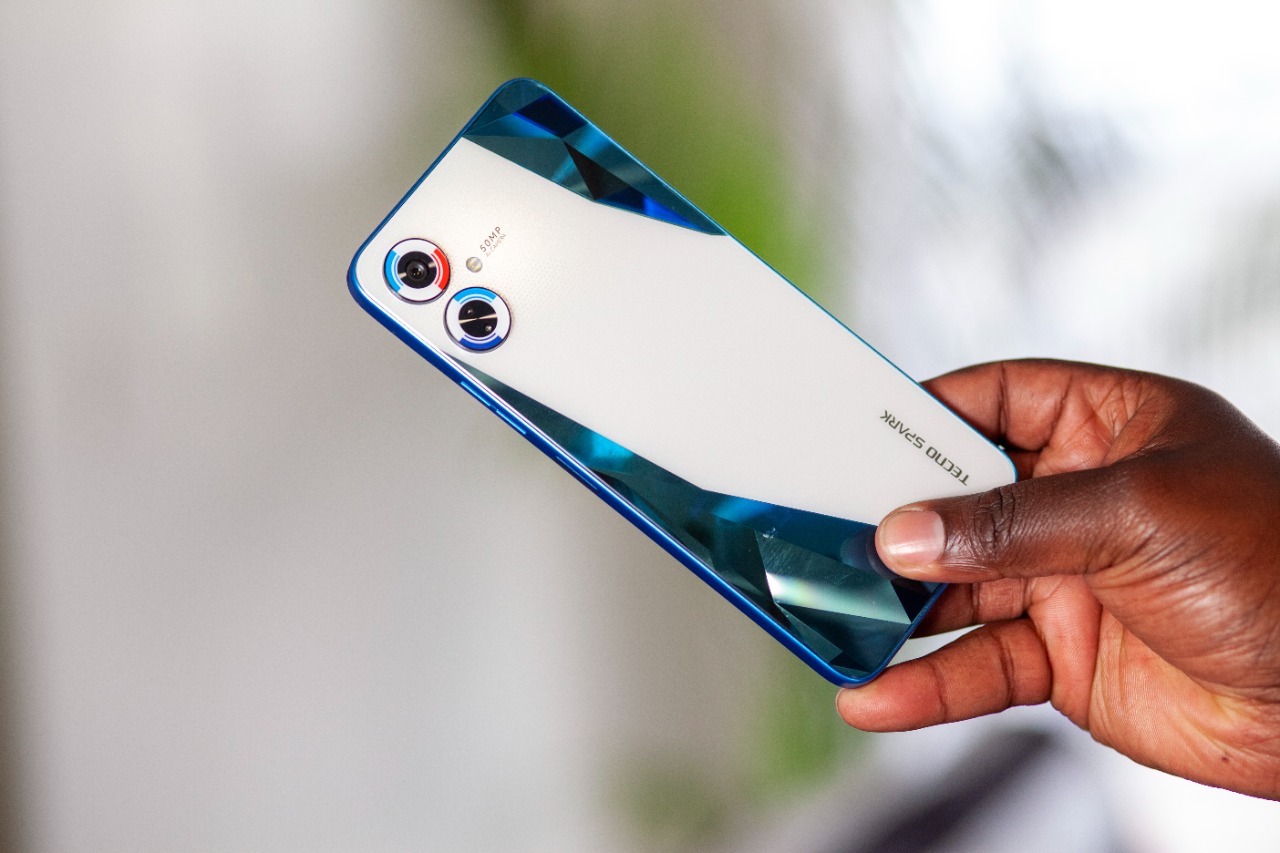
Smartphone vendors shipped fewer devices across the Middle East and Africa during the first quarter of 2026, ending a period of expansion that had carried through much of last year. New figures from Counterpoint Research show regional shipments fell 7% year-on-year, with the sharpest weakness concentrated in entry-level handsets.
The downturn came as manufacturers and distributors faced higher component costs, particularly for memory, while parts of the region also contended with rising transport expenses linked to instability in key trade corridors. Those pressures filtered through to retail pricing, affecting demand in markets where affordability remains the dominant purchasing factor.
Counterpoint Research found that the decline was heavily concentrated in smartphones priced between $50 and $99. Shipments in that category dropped 41% from a year earlier, making it the weakest-performing segment in the market. The figures suggest consumers at the lower end of the market are becoming increasingly sensitive to price increases after several years in which affordable Android devices helped drive smartphone adoption across many African economies.
The contraction was not uniform across the industry. Samsung expanded its regional volumes by 19% from the same period a year earlier and retained its position as the largest smartphone vendor in the market. The company benefited from a broader portfolio spanning multiple price categories and stronger product availability during the quarter.

By contrast, some Chinese manufacturers faced tighter inventory conditions. Counterpoint said brands including Xiaomi and Transsion encountered supply constraints in parts of the region, creating gaps in retail availability. For Transsion’s brands, Africa remains a critical market, making any disruption in supply particularly significant for overall regional volumes.
While total shipments moved lower, several longer-term technology trends continued to advance. The research firm reported that 5G smartphone shipments rose 42% year-on-year as operators expanded network coverage and governments progressed plans to retire older mobile technologies in some markets.

AI-enabled smartphones also gained traction. Shipments of devices capable of supporting on-device artificial intelligence features increased 64% from a year earlier. Most of that growth came from devices priced above $400, reinforcing the concentration of advanced smartphone features within higher-income consumer segments.
Another notable beneficiary was HONOR. The company recorded triple-digit growth from a relatively small base, supported by its focus on premium-tier customers, particularly in Gulf markets where consumers typically spend more on smartphones than buyers in many emerging economies.
Looking ahead, Counterpoint expects conditions to remain difficult during the second quarter. The firm points to continued component cost pressure, elevated logistics expenses and weaker consumer purchasing power across parts of the region. Absent a major demand catalyst, vendors may face another challenging period as households prioritize essential spending over discretionary technology upgrades.
The latest data highlights a market increasingly split between consumers still willing to spend on premium devices and those postponing purchases altogether. For manufacturers with strong positions in the budget category, the direction of component pricing and supply availability may prove just as important as consumer demand during the remainder of 2026.
Go to TECHTRENDSKE.co.ke for more tech and business news from the African continent and across the world.
Follow us on WhatsApp, Telegram, Twitter, and Facebook, or subscribe to our weekly newsletter to ensure you don’t miss out on any future updates. Send tips to editorial@techtrendsmedia.co.ke