Africa's Smartphone Market Contracts After Memory Costs Push Up Handset Prices
Counterpoint Research says first-quarter shipments fell 12% after rising memory component costs lifted handset prices and squeezed the supply of entry-level smartphones, reshuffling the region's leading brands even as 5G adoption continued to expand.

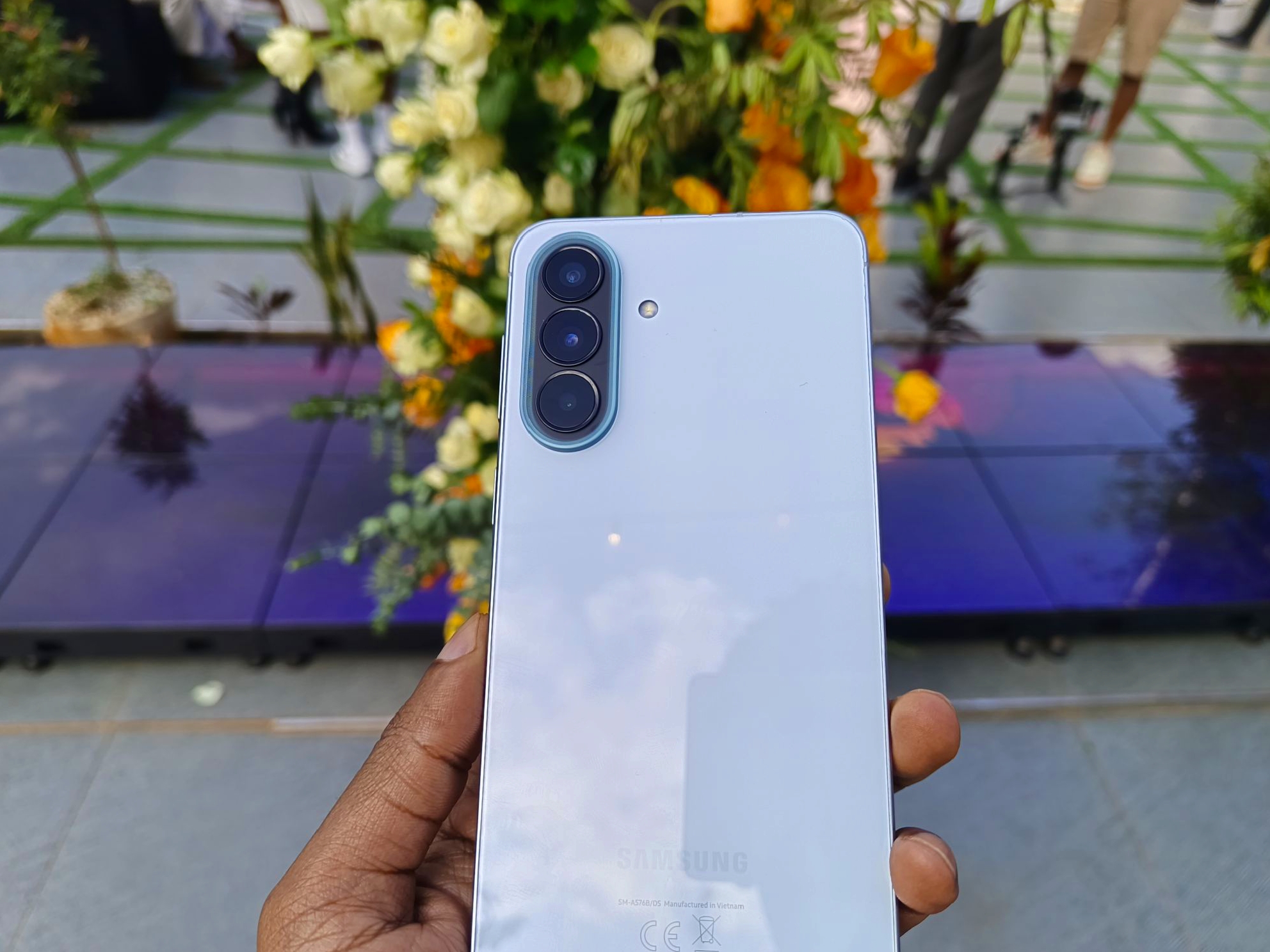
Africa’s smartphone market entered 2026 on weaker footing as higher memory component costs pushed up handset prices, reducing the availability of affordable devices and driving a 12% year-on-year decline in smartphone shipments during the first quarter. The Africa smartphone market Q1 2026 slowdown comes despite a traditionally busy sales period that includes back-to-school purchases, Ramadan and other seasonal demand, according to Counterpoint Research.
The market contraction reflects the growing pressure global component costs can exert on one of the world’s most price-sensitive smartphone regions. Entry-level smartphones account for the largest share of sales across Africa, making even modest price increases significant enough to delay purchases or upgrades for many consumers.
Counterpoint Research said rising memory prices became the dominant force shaping the market during the quarter, outweighing the seasonal demand that typically supports smartphone sales early in the year. The increase in production costs translated into higher retail prices while also constraining supplies of lower-priced models that form the backbone of smartphone demand across much of the continent.
The report notes that inventory decisions made months earlier also reshaped competition among manufacturers.

Samsung returns to the top as supply becomes a competitive advantage
The tightening supply environment reordered Africa’s largest smartphone brands.
Samsung overtook TECNO to become Africa’s biggest smartphone vendor during the quarter after maintaining stronger inventories while several Chinese competitors faced shortages linked to memory supply constraints.

HONOR also emerged as one of the quarter’s biggest winners, recording 98% year-on-year growth to surpass Infinix in regional rankings. According to Counterpoint Research, the company benefited from stronger inventory levels alongside an affordable-premium strategy that has focused on selected African markets including South Africa, Egypt and Nigeria.
Rather than competing primarily in the ultra-budget segment, HONOR has concentrated on upper entry-level and mid-range devices while expanding through partnerships with mobile network operators and sponsorship agreements.
The quarter illustrates how supply chain resilience became a competitive differentiator as brands with available stock captured demand that competitors could not fully meet.
Rising prices hit Africa’s most price-sensitive buyers
The report argues that higher handset prices had a disproportionate impact because Africa remains among the world’s most price-sensitive smartphone markets.
Many consumers purchase devices in the entry-level segment, where relatively small increases in retail prices can influence buying decisions. When combined with taxes and other levies in individual markets, the higher production costs further widened the affordability challenge for first-time smartphone buyers and consumers looking to replace ageing devices.
The slowdown therefore reflects both constrained supply and reduced purchasing power within the market’s largest customer segment.
5G adoption continues to expand
Despite the overall decline in smartphone shipments, demand for 5G-enabled devices continued to strengthen.
Counterpoint Research said 5G smartphone shipments increased 19% year-on-year as network coverage expanded and more manufacturers introduced 5G models into the upper entry-level and mid-range categories.
Growth remained concentrated in relatively higher-income African markets where infrastructure deployment has progressed more rapidly. Countries including South Africa, Morocco, Tunisia and Egypt continue to expand 5G coverage while introducing regulatory frameworks that support wider adoption.
Samsung and HONOR accounted for much of the increase in 5G smartphone shipments during the quarter.
Market outlook
The first quarter demonstrates how global supply chain pressures can quickly reshape Africa’s smartphone industry.
Beyond reducing overall shipments, rising memory prices altered competitive dynamics by rewarding manufacturers that entered the year with stronger inventories while exposing the vulnerability of brands dependent on steady supplies of affordable devices.
If memory costs ease later in the year, lower-priced smartphones could return in greater numbers, helping restore demand in the market’s largest segment. Until then, affordability is likely to remain the defining factor influencing both consumer purchasing decisions and competition among smartphone makers across Africa.
Go to TECHTRENDSKE.co.ke for more tech and business news from the African continent and across the world.
Follow us on WhatsApp, Telegram, Twitter, and Facebook, or subscribe to our weekly newsletter to ensure you don’t miss out on any future updates. Send tips to editorial@techtrendsmedia.co.ke