Safaricom Ordered to Pay Sh1.4bn Over M-Pesa Child Account
A dispute that began with a 2021 product pitch has turned into one of Kenya’s biggest copyright rulings involving fintech infrastructure

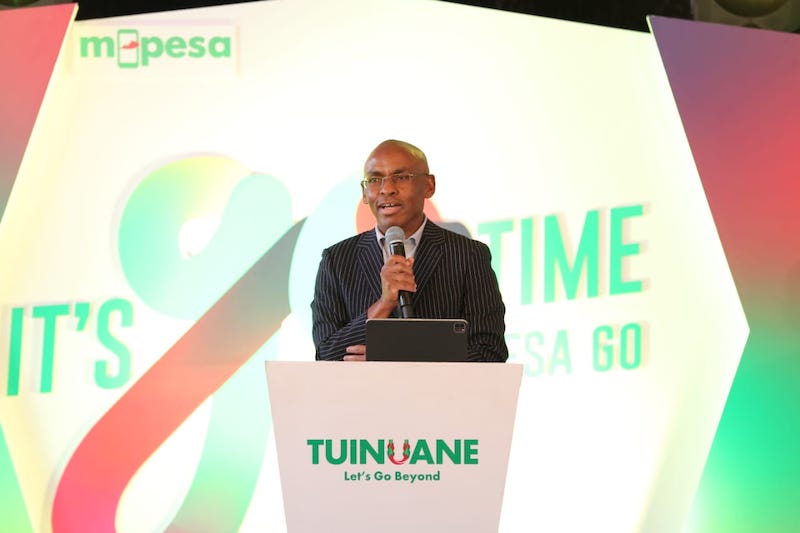
A High Court decision has exposed Safaricom to a multibillion-shilling payout after the company lost a copyright case tied to an M-Pesa product built for children and parental account oversight.
The court awarded Peter Nthei Muoki and Beluga Ltd Sh1.4 billion and further ordered Safaricom to continue paying a share of M-Pesa earnings linked to the service. Under the ruling, the telecom operator must remit 0.5 percent of gross M-Pesa revenue every financial year beginning March 2025 for as long as related features remain active on the platform.
The company secured a 30-day pause on enforcement while preparing an appeal.
The dispute stemmed from a proposal developed by Mr Muoki around a controlled digital wallet targeting teenagers and young adults. The concept allowed parents to supervise transactions, spending limits and account activity through linked mobile money profiles.

Evidence presented in court showed the proposal had been shared with Safaricom during meetings held in 2021. Mr Muoki argued that although the idea was not adopted at the time, the telco later introduced a product carrying substantially similar functions through M-Pesa.
The court agreed that the claimant had produced sufficient documentation showing authorship and prior registration of the work through the Kenya Copyright Board.

Rather than issue a fixed licensing estimate, the judge tied compensation to Safaricom’s mobile money business, using M-Pesa revenue generated during the 2024 financial year as the benchmark for damages.
“Reasonable damages of one percent of Safaricom’s M-Pesa revenue for the financial year 2024 would be appropriate,” the judgment stated.
The ruling found that the child account service formed part of a larger transaction ecosystem that contributes to M-Pesa income, even if revenue from minors cannot be isolated independently.
Safaricom rejected claims that the product originated from Mr Muoki’s proposal. The company argued that development work had already been assigned to Huawei in 2020 following concerns around underage access to betting services.
Huawei also denied exposure to the claimant’s materials and maintained that the parent-child functionality had been independently designed months before the proposal reached Safaricom.
The court, however, questioned the explanation surrounding the alleged regulatory trigger for the product. The judge noted there was no documentary record showing formal direction from the Central Bank of Kenya regarding the service design.
Despite ruling against Safaricom, the court stopped short of ordering a shutdown of the product. The judge held that removing the service from the market would inconvenience a large user base already relying on the functionality for supervised transactions involving minors.
The case is likely to sharpen scrutiny around intellectual property handling in Kenya’s technology sector, particularly in partnerships involving fintech platforms, outsourced developers and product pitches submitted by independent innovators.
Go to TECHTRENDSKE.co.ke for more tech and business news from the African continent and across the world.
Follow us on WhatsApp, Telegram, Twitter, and Facebook, or subscribe to our weekly newsletter to ensure you don’t miss out on any future updates. Send tips to editorial@techtrendsmedia.co.ke