EXCLUSIVE: Safaricom’s New FTTR Service Targets Weak Spots in Home Wi-Fi
The new FTTR setup replaces the single-router model with optical access points spread across the home

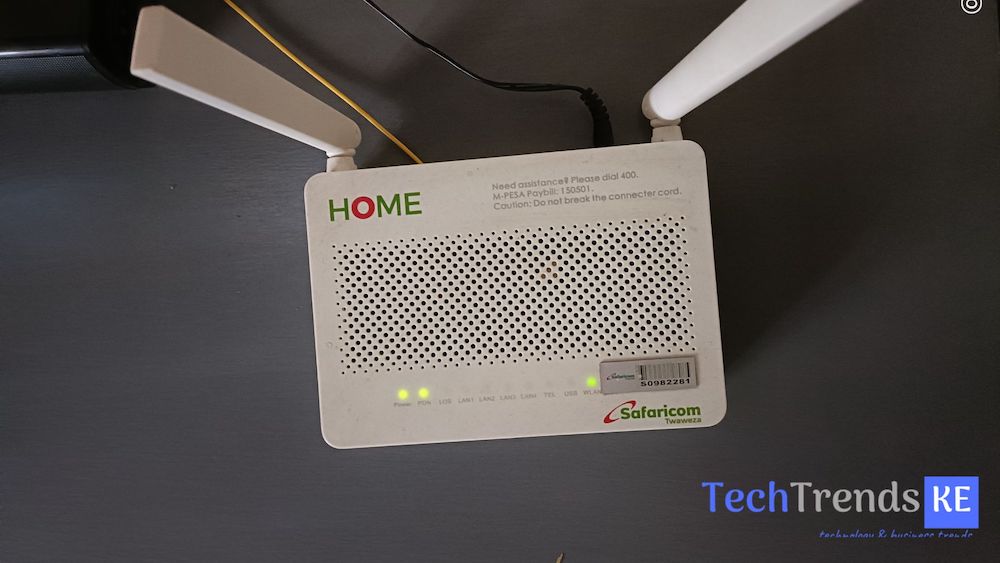
Safaricom has introduced FTTR (fibre-to-the-room) home broadband in Kenya, expanding fibre connectivity beyond a single router setup to deliver wired-grade internet access across every room in a home. The rollout reflects growing demand for home networks that can support more connected devices and bandwidth-heavy activities such as streaming, gaming, and video calls without coverage gaps.
The service, developed by Safaricom in partnership with Huawei, distributes fibre access points across rooms in a household. Instead of depending on a central Wi-Fi source, each room is fitted with its own optical node, allowing signal distribution to remain stable across the entire home layout.
Safaricom says the design is aimed at reducing coverage gaps that typically emerge in multi-room homes where walls, distance, and simultaneous device use strain conventional routers.
The FTTR system introduces a distributed architecture that treats each room as a connected endpoint rather than a passive extension of a central router. Safaricom has also integrated AI-driven network management tools that monitor performance patterns and adjust bandwidth allocation automatically based on usage.


The company frames this as a response to changing household behaviour, where streaming, gaming, video conferencing, and connected appliances now run concurrently across multiple devices.
The FTTR rollout comes shortly after Safaricom adjusted its fixed broadband speeds. Entry-level fibre packages were raised from 5 Mbps to 15 Mbps without changes to pricing, widening baseline access for lower-tier users.

Higher-tier plans remain unchanged, with premium packages holding at 500 Mbps and 1 Gbps. The operator’s affordable housing-oriented Wi-Fi Bamba service continues to offer 10 Mbps.
These adjustments sit alongside Safaricom’s broader Home Fibre footprint, which now covers more than 800,000 households across Kenya.
According to Safaricom Chief Executive Officer Peter Ndegwa, the move reflects a structural change in how households consume digital services.
“Today’s homes demand more than just connectivity; they require an always on digital ecosystem,” he said. “Through our partnership with Huawei, we are delivering a truly immersive connected home experience that meets the evolving needs of modern households.”
The FTTR rollout places Safaricom in a more infrastructure-intensive phase of home internet competition, where performance consistency inside the home becomes as important as last-mile connectivity. The emphasis on AI-managed networks and distributed access points suggests future upgrades may focus less on headline speeds and more on stability across increasingly complex home environments.
Go to TECHTRENDSKE.co.ke for more tech and business news from the African continent and across the world.
Follow us on WhatsApp, Telegram, Twitter, and Facebook, or subscribe to our weekly newsletter to ensure you don’t miss out on any future updates. Send tips to editorial@techtrendsmedia.co.ke