

Spotify’s Future Plans Come Into View at the 20-Year Mark
Spotify’s future plans are starting to move beyond streaming into a broader media model

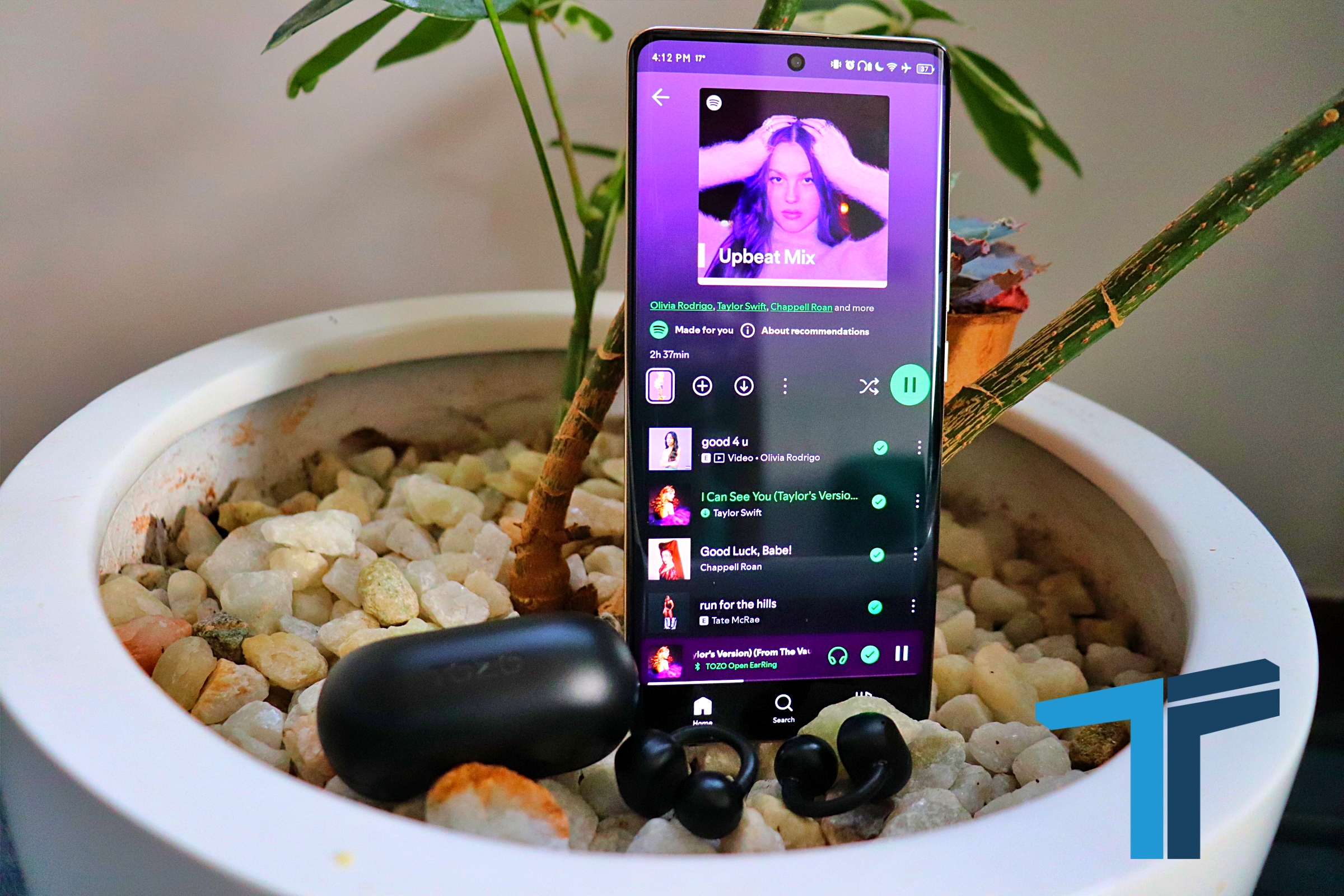
Spotify is entering its third decade with a strategy focused on user control, new content formats and shared listening, according to Sten Garmark. The executive, who leads consumer experience, outlined a roadmap that builds on the platform’s scale while shifting how users interact with it.
Founded in 2006 by Daniel Ek and Martin Lorentzon, Spotify has grown to more than 750 million users. Its next phase, Garmark said, will be shaped less by access to content and more by how listeners define and share their experience. In its early years, the company’s model was built to counter widespread piracy, using a freemium approach that offered free access on desktop while pushing users toward paid mobile subscriptions as smartphones scaled.
“We’re going to add more formats that people are going to love from more creative people,” he said, describing a pipeline that extends beyond music, podcasts and audiobooks.
AI-driven control reframes discovery
Spotify’s future product layer centres on direct user input, enabled by artificial intelligence. Garmark described a system where listeners can articulate preferences in their own terms, shifting discovery away from passive recommendation.

“The unlocking of AI enables users in their own language to express who they want to be and what they aspire to do,” he said.
The company is also working with the industry on ways for artists to disclose AI involvement in their music, reflecting growing pressure to introduce clearer labelling as fully AI-generated tracks increase across streaming platforms.
This direction modifies the role of algorithms that were previously built on listening history alone. Personalisation remains core, but the mechanism is moving toward real-time intent, with users actively steering playlists, searches and recommendations.
Social listening becomes a product priority
The company is also repositioning social interaction as a central feature. While Spotify has introduced tools such as collaborative playlists and group listening sessions, Garmark acknowledged that community-building has not kept pace with its scale.
Future updates are expected to deepen interaction between users, turning listening into a shared environment rather than a solitary activity.
“We think we can do more in creating conversations between people,” he said.
Format expansion extends earlier platform shifts
Spotify’s plan to introduce new formats follows earlier moves that expanded its scope. The addition of podcasts in 2015 and later audiobooks repositioned the service as a broader audio platform.
Garmark indicated that further formats will follow the same logic, bringing more types of creators into the ecosystem and increasing time spent within the app. This multi-format approach reduces dependence on music streaming alone and diversifies revenue pathways. He also pointed to Spotify’s reach across more than 2000 device types, from cars to smart speakers, as a distribution advantage that supports expansion into new content formats.
Past milestones continue to shape product decisions
The company’s current strategy is anchored in earlier developments that defined its growth.
Features such as Spotify Wrapped turned listening data into a shareable format, creating a recurring global moment tied to personal identity. Meanwhile, Discover Weekly established algorithmic discovery as a core function, influencing how users encounter new music. That discovery layer has since evolved into more dynamic systems such as Daylist, which updates multiple times a day based on listening patterns, blending familiarity with new recommendations.
Industry tensions also played a role. In 2014, Taylor Swift removed her catalogue over concerns about streaming payouts, returning in 2017. The episode brought attention to artist compensation, an issue that remains unresolved as streaming dominates music revenue.
On the product side, Spotify’s delayed rollout of lossless audio in 2025 reflected shifting expectations among subscribers, particularly as competitors prioritised sound quality earlier. At the same time, the platform’s core building block remains the playlist, which Garmark described as the foundation for nearly all subsequent features, from editorial curation to AI-assisted recommendations.
Platform scale brings new operational pressure
Spotify’s expansion has introduced new challenges that intersect with its future plans. The rise of AI-generated music has created both creative opportunities and risks tied to fraud and impersonation.
Garmark said the company has removed millions of tracks linked to abuse and is working with the industry on transparency measures, including ways for creators to disclose AI involvement in their work.
At the same time, Spotify faces ongoing scrutiny over how revenue is distributed. The company reports that it returned $11 billion to the music industry in 2025, roughly 70% of its revenue, yet debates over fairness persist among artists and industry groups. The platform has also faced criticism over how it allocates capital, with industry bodies arguing that more direct investment is needed in grassroots venues despite initiatives such as partnerships with youth-focused music organisations.
From access to participation
Spotify’s first two decades were defined by building access to a vast catalogue and scaling a subscription model that could compete with piracy. The next phase shifts toward participation, where users influence discovery, interact with each other and engage with a wider set of formats. That transition comes as the company also contends with internal product complexity, with some users pointing to an increasingly cluttered interface as feature expansion accelerates.
Garmark’s outline points to a platform that is less about delivering content and more about shaping how that content is experienced. The direction reflects both internal product evolution and external pressure from creators, competitors and new technologies.
Go to TECHTRENDSKE.co.ke for more tech and business news from the African continent and across the world.
Follow us on WhatsApp, Telegram, Twitter, and Facebook, or subscribe to our weekly newsletter to ensure you don’t miss out on any future updates. Send tips to editorial@techtrendsmedia.co.ke