Nairobi Forum Puts Ethics at the Centre of Africa’s AI Development Agenda

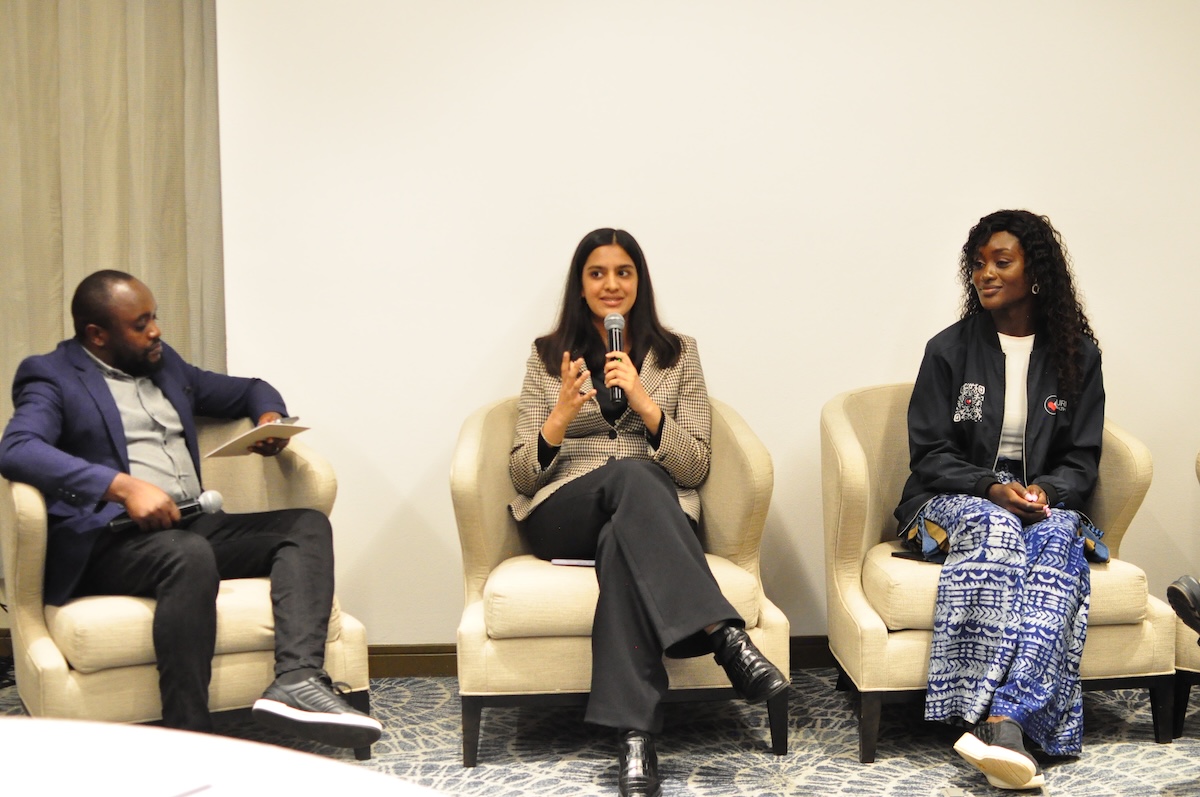
A high-level forum on artificial intelligence ethics brought together technologists, investors, healthcare practitioners, and academics in Nairobi this week to examine how Africa and the Middle East can build AI systems that are locally grounded, accountable, and governed responsibly from inception.
Hosted by Aashna Jain, founder of AITHOS, and co-hosted by Marevak Consulting, the interactive session convened under the theme “Ethics in AI”, exploring the tension between the speed of AI adoption across the continent and the governance frameworks needed to ensure its benefits are broadly shared.
Delivering the keynote, Samuel Mbai, Chief ICT Officer at the University of Nairobi, framed Africa’s AI challenge in economic and political terms. With AI projected to contribute over US$15.7 trillion to the global economy, Mbai argued the continent must shift from passive adoption to active ownership of the systems shaping its future.
“AI is shifting from adoption to ownership. Africa must invest in infrastructure, talent, and policy to compete,” he said, describing data as a critical global resource and calling for urgent policy alignment to prevent the continent from ceding strategic ground.


Panel discussions moderated by TechTrends Media Founder Nixon Kanali reinforced the case for localisation as the primary lens through which African AI investment should be evaluated. Art Chupeau, Managing Partner at Baobab Network and Founder of Lissom Advisory, said investor appetite for AI-native African startups is rising, but cautioned against hype-driven development.
“Africa’s biggest AI opportunity is not building hype-driven technology but using AI to solve real operational problems in underserved markets,” Chupeau said. “The real advantage will come from combining AI with strong local distribution, proprietary data, and a deep understanding of fragmented African markets.”
In healthcare, Daisy Isiaho, Co-Founder and Chief Product and CX Officer at Zuri Health, pointed to non-technological constraints as the binding limitation on scale. “Scaling AI-driven healthcare in Africa is constrained less by technology and more by fragmented policy frameworks, limited infrastructure, and persistent trust gaps among patients and providers,” she said.
A recurring theme across sessions was the role of Africa’s young population in shaping the continent’s AI trajectory and the responsibility that entails. Jain, a 17-year-old university student from Johannesburg who leads a podcast community focused on ethical AI, said responsible design must be embedded from the start rather than retrofitted.
“Africa’s AI future will be shaped by youth, but ethics must be embedded from the start. We must teach responsible use to build fair, inclusive, and accountable systems,” she said.
Maréva Koulamallah, Founder and CEO of Marevak Consulting, echoed the call for structured governance alongside youth participation. “Young people are ready to shape Africa’s AI future, but we must build multi-layered collaboration across sectors and also gatekeep ownership of the technologies we create,” she said.
The forum concluded with broad consensus that Africa’s AI future will not be defined by the speed of adoption alone, but by how effectively ethics, ownership, and localisation are woven into the innovation strategies driving the continent’s next digital decade.
Go to TECHTRENDSKE.co.ke for more tech and business news from the African continent and across the world.
Follow us on WhatsApp, Telegram, Twitter, and Facebook, or subscribe to our weekly newsletter to ensure you don’t miss out on any future updates. Send tips to editorial@techtrendsmedia.co.ke