
Kenya's Credit Recovery Is Gaining Ground, but Banks Still Have Capital Targets to Meet
A recovery in private-sector borrowing is taking shape, though several banks still face pressure to strengthen their capital base

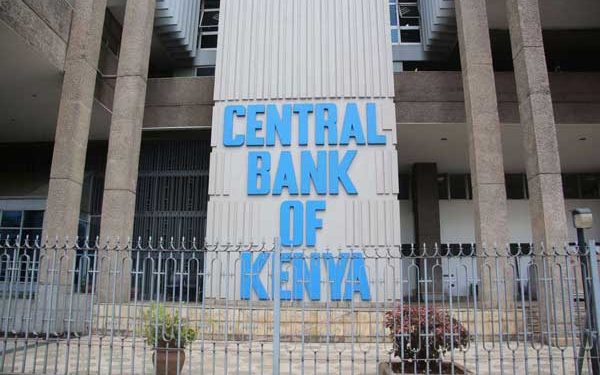
Kenyan lenders are being pushed to strengthen their balance sheets even as borrowing conditions ease and private-sector lending gathers pace.
The Central Bank of Kenya said it expects institutions that remain below the Sh5 billion core capital threshold to outline how they intend to comply, ruling out any extension for lenders that have yet to satisfy earlier capital requirements.
Governor Kamau Thugge said regulators are already engaging banks that remain below the current benchmark. Some institutions are seeking fresh shareholder funding through rights issues, while one lender with government ownership is expected to receive support from the National Treasury.
The comments came after the Monetary Policy Committee left the Central Bank Rate unchanged at 8.75 percent.

For commercial banks, the more immediate issue may be capital rather than interest rates.
A prolonged effort by regulators to strengthen the banking system has entered a new phase, with attention turning from compliance deadlines to execution plans. The capital build-up comes as lenders adjust to a risk-based credit pricing framework intended to make loan pricing more responsive to monetary policy decisions.

CBK argues the transmission mechanism is already showing results.
Commercial lending rates have fallen to 14.5 percent from 17.2 percent, according to the regulator. Credit to the private sector, which contracted by 2.9 percent in January 2025, had expanded by 9.3 percent by May this year.
Treasury bill yields have also retreated following a series of monetary easing measures implemented before the central bank paused its rate-cutting cycle.
The performance of the new pricing framework remains difficult to isolate because policy rates have remained unchanged during the last two MPC meetings. Even so, the central bank maintains that previous easing measures are filtering through the financial system and supporting credit expansion.
Questions about future policy moves remain unresolved.
Officials acknowledged that developments in global energy markets are being closely monitored, particularly after renewed tensions in the Middle East raised concerns about crude oil prices and imported inflation.
The central bank is waiting for additional data before determining whether current inflation risks warrant a change in policy direction. Food prices are also under review, with agricultural sector surveys pointing to the possibility of slower food inflation in the coming months.
Government fiscal measures do not currently feature prominently in the inflation outlook.
CBK said proposals contained in the Finance Bill 2026 are not expected to generate significant price pressures, reducing the likelihood that fiscal changes alone would alter the central bank’s policy stance.
Another uncertainty sits outside the domestic banking sector.
Negotiations with the World Bank over Development Policy Operations funding and emergency financing facilities are continuing, but no disbursements have been made so far. The expected external funding remains under discussion as Kenya pursues additional multilateral support.
The combination leaves policymakers balancing several moving parts: stronger credit growth, stricter bank capital expectations, unresolved external financing discussions and the possibility that higher oil prices could alter inflation dynamics before the next monetary policy meeting.
Go to TECHTRENDSKE.co.ke for more tech and business news from the African continent and across the world.
Follow us on WhatsApp, Telegram, Twitter, and Facebook, or subscribe to our weekly newsletter to ensure you don’t miss out on any future updates. Send tips to editorial@techtrendsmedia.co.ke


