

Treasury Stops Fresh Hustler Fund Allocations in 2026/27 Budget
The NYOTA programme is taking on a larger role in how government backs young entrepreneurs

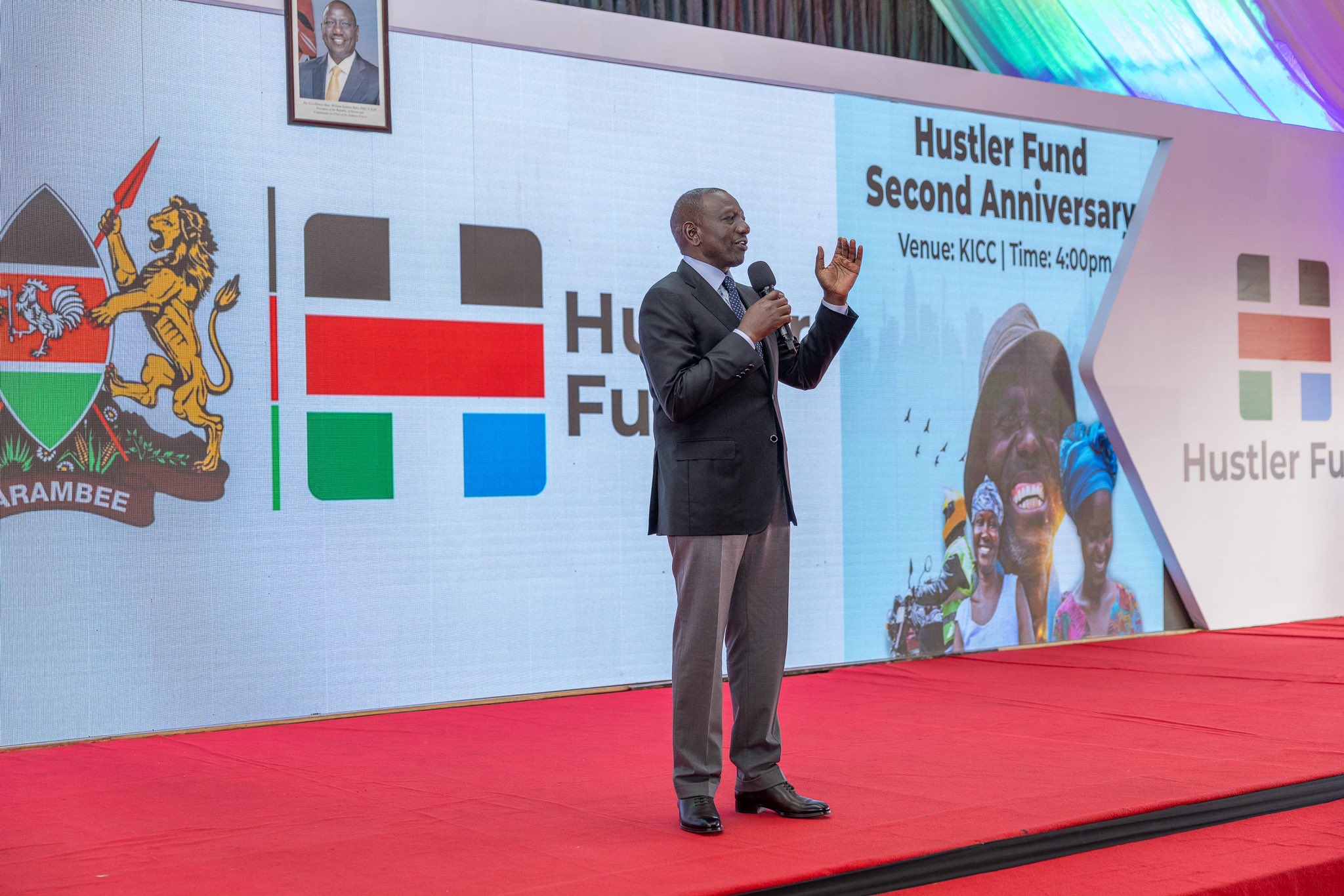
Kenya will stop injecting new budget resources into the Hustler Fund from the 2026/27 financial year, marking a notable change in how the government plans to support small businesses, informal traders and young entrepreneurs.
Budget documents tabled alongside Treasury Cabinet Secretary John Mbadi’s spending plans indicate that the Financial Inclusion Fund, commonly known as the Hustler Fund, has not been earmarked for additional development financing over the medium term. The decision comes as the administration places greater emphasis on programmes centred on enterprise development, skills training and employment creation.
The change arrives more than three years after the mobile lending scheme was introduced as a flagship component of President William Ruto’s economic agenda. Since launch, the fund has reached millions of borrowers through short-term digital credit designed for people with limited access to conventional banking services.
Treasury officials maintain that the programme can continue operating without further Exchequer support because repayments from existing borrowers are expected to finance new lending. Government figures presented this year show cumulative disbursements exceeding Sh80 billion, creating a sizeable loan book that officials believe can sustain ongoing operations.

The funding outlook contrasts with spending plans for the NYOTA programme, which continues to receive allocations in coming years. The initiative combines business support, entrepreneurship development and youth-focused interventions, reflecting a growing focus on helping beneficiaries build enterprises alongside accessing finance.
The budget stance also highlights the difficult choices facing policymakers as debt servicing obligations continue to consume a large share of public resources. Programmes across government are increasingly being assessed on whether they can operate with reduced reliance on direct budget transfers.
Questions around loan recovery remain part of the discussion surrounding the fund. State agencies have previously disclosed billions of shillings in outstanding balances while seeking additional resources to strengthen collection efforts. Audit reviews have also pointed to weaknesses in some account verification and loan management processes during the programme’s expansion phase.
Even so, the government continues to present the fund as a financial inclusion tool. Treasury data released during the 2026/27 Budget Statement showed the programme had disbursed Sh87 billion since launch and reached 28 million accounts. Officials also say millions of borrowers who were previously excluded from formal credit systems have begun rebuilding credit histories through participation in the scheme.
For now, the Hustler Fund remains active, but its next phase appears set to rely less on fresh public capital and more on the performance of its existing loan portfolio. At the same time, government spending plans suggest increasing attention is being directed toward programmes aimed at enterprise growth, employability and youth-led business creation.
Go to TECHTRENDSKE.co.ke for more tech and business news from the African continent and across the world.
Follow us on WhatsApp, Telegram, Twitter, and Facebook, or subscribe to our weekly newsletter to ensure you don’t miss out on any future updates. Send tips to editorial@techtrendsmedia.co.ke