
EU-Backed Blue-Raman Route Opens a New Digital Gateway for East Africa
The EU-backed Blue-Raman cable extension will connect Kenya, Tanzania, Somalia and Djibouti to a growing digital corridor linking Europe, the Middle East and India.

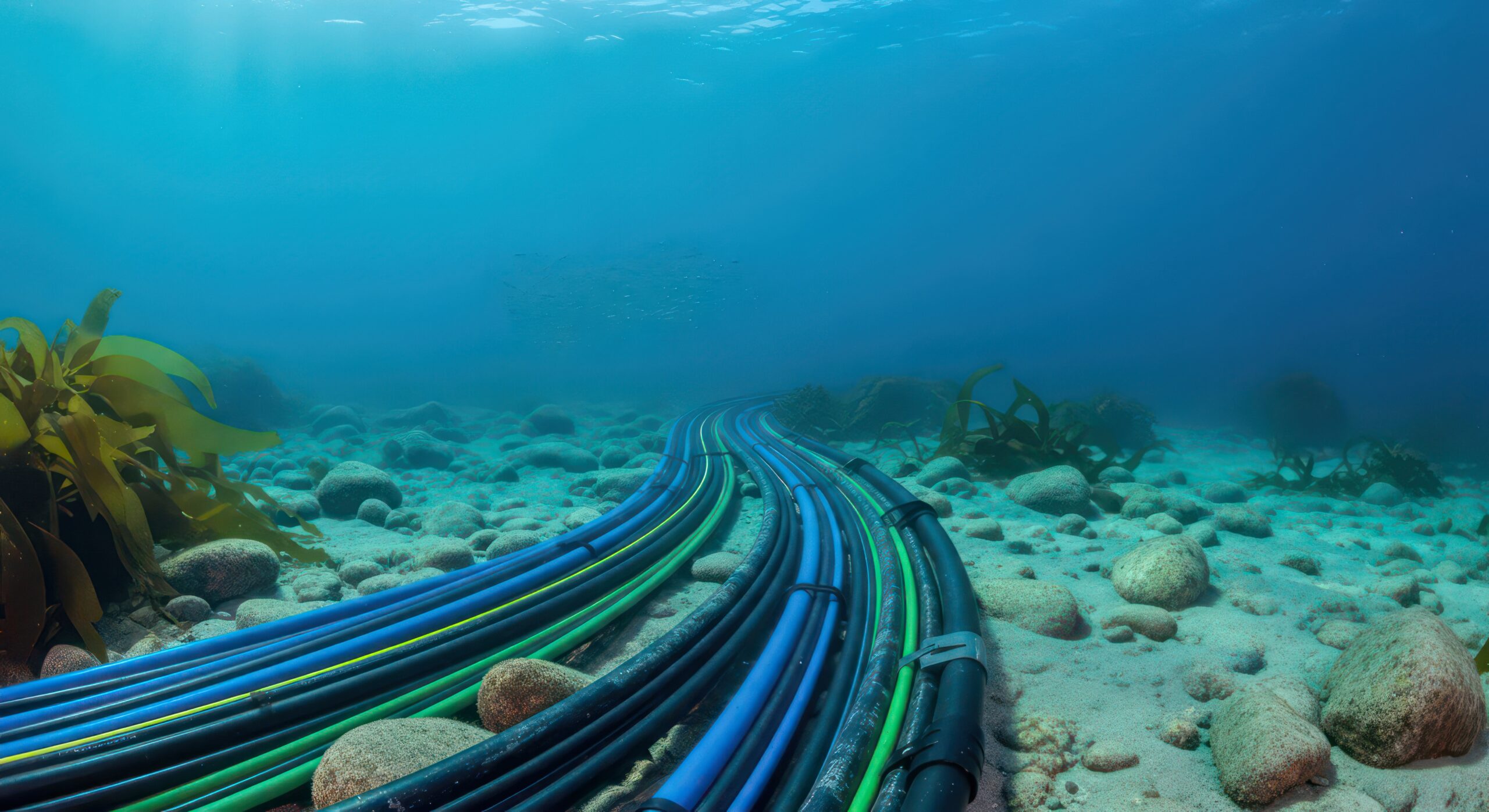
Speaking after talks with Henna Virkkunen, European Commission Executive Vice President, in Brussels, President William Ruto said the EU-backed cable extension will connect Kenya, Tanzania, Somalia and Djibouti to a strategic digital route spanning Europe, the Middle East and India. The investment is part of a wider €139 million digital package secured during the visit.
The initiative underscores the increasing investment by European institutions and technology companies in Africa’s digital infrastructure, as countries work to expand internet access, accelerate digital commerce, and meet the growing demand for cloud and AI-powered services.
The cable extension is part of the Blue-Raman subsea network, a Google-backed project launched in 2021 in partnership with Italian telecommunications company Sparkle and other operators.
Spanning 12,700 kilometres, the system was designed to connect Europe and India through the Middle East, create an alternative route for international internet traffic, and reduce dependence on traditional connectivity bottlenecks.

The Blue segment links Italy, France, Greece and Israel, while the Raman segment connects Jordan, Saudi Arabia, Djibouti, Oman and India. Equipped with 16 fibre pairs and operating on an open-access model, the network is intended to increase capacity and promote competition among internet service providers.
However, the East African extension will connect Djibouti to Somalia, Kenya and Tanzania, giving the region direct access to one of the world’s newest high-capacity international data corridors.

The European Union has described the project as a key component of its EU-Africa-India Digital Corridor initiative, which aims to strengthen secure digital connectivity between Europe, Africa and Asia.
The Blue-Raman extension is expected to play a key role in supporting East Africa’s fast-growing digital ecosystem, where demand for internet services continues to rise across businesses, governments and households.
Additionally, countries across the region are investing heavily in digital infrastructure, with Kenya strengthening its position as a technology leader while Tanzania and Somalia work to broaden internet access and deepen financial inclusion.
President William Ruto noted that the project will help bring down bandwidth costs, addressing one of the biggest barriers to affordable internet access. Studies have consistently shown that increased international connectivity capacity contributes to lower broadband prices and improved service quality.
Despite ongoing infrastructure investments, internet affordability remains a concern in many East African markets, making additional international capacity a critical component of the region’s digital transformation efforts.
The new connection is also expected to attract further investment from data centre operators, cloud providers and global technology firms seeking robust and dependable links to international networks.
The project’s significance extends beyond affordability. It is also expected to enhance network reliability by providing additional international connectivity routes at a time when subsea infrastructure is facing increasing pressure.
A series of cable faults over the past two years has demonstrated the fragility of global internet networks. Outages affecting the PEACE, EASSy and SEACOM systems disrupted connectivity across several African markets, underscoring the risks associated with limited route diversity.
The issue has become more pressing as internet traffic continues to grow, fuelled by expanding cloud adoption, streaming services and emerging AI-driven technologies.
By creating an alternative pathway for international data flows, the Blue-Raman system could help improve service continuity and reduce the impact of future cable failures, while strengthening the region’s digital resilience.
The investment also underscores the European Union’s growing commitment to expanding digital infrastructure across Africa through its Global Gateway initiative.
In recent years, Brussels has increased funding for strategic projects spanning transport, energy and connectivity as global competition for economic influence on the continent intensifies. For East Africa, the Blue-Raman extension is more than a telecommunications project. It represents a critical piece of the infrastructure needed to support the next wave of growth in financial technology, artificial intelligence, cloud computing and digital trade.
Furthermore, as economies become increasingly reliant on data and digital services, digital connectivity networks are emerging as assets of strategic importance, alongside traditional infrastructure such as ports, roads and power systems.
Go to TECHTRENDSKE.co.ke for more tech and business news from the African continent and across the world.
Follow us on WhatsApp, Telegram, Twitter, and Facebook, or subscribe to our weekly newsletter to ensure you don’t miss out on any future updates. Send tips to editorial@techtrendsmedia.co.ke


