Safaricom Remains Dominant in Kenya, but Rivals Are Closing the Gap
Safaricom’s grip on Kenya’s telecom market is easing as Airtel and Starlink expand. New data shows where the pressure is building.

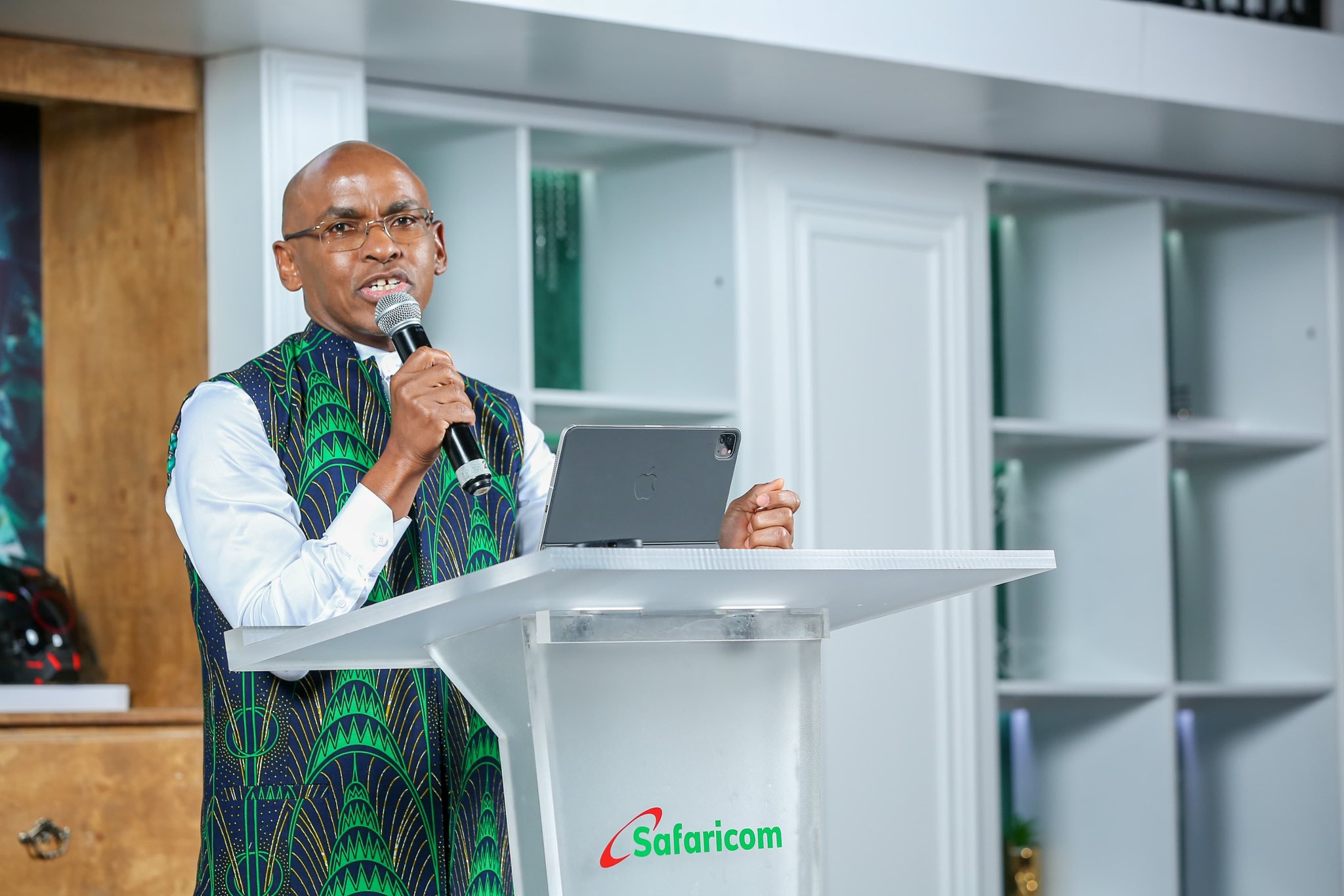
Safaricom’s market share in Kenya edged lower by December 2025, with fresh data showing pressure in both mobile money and fixed internet even as the company retains a strong hold on its core services.
New figures from the Communications Authority of Kenya show competitors making steady gains in segments that have long anchored Safaricom’s growth.
In mobile money, Safaricom’s M-Pesa held 89% of the market as of December 2025, down from 91% a year earlier.
Airtel Kenya increased its share to 11%, continuing a steady climb that has seen it more than double its position since early 2024.

Airtel chips away at M-Pesa dominance
The movement in mobile money reflects a sustained push by Airtel to expand its financial services footprint. Over the past 2 years, its share has risen from 5.5% to 11%, supported by pricing incentives and interoperability gains.
Mobile money remains Safaricom’s largest revenue stream, contributing 41% of total revenue, equivalent to KES 161 billion out of KES 388 billion in the financial year ending March 2025. The narrowing gap introduces pressure in a segment that has underwritten the company’s profitability for more than a decade.

“Mobile money remains the centre of Safaricom’s earnings, even as rivals close in on its margins.”
Broadband market opens to smaller players
Safaricom is also facing stronger competition in fixed internet. Its share of the broadband market declined to 34.9% in the quarter to December 2025, down from 35.6% in the previous quarter, despite continued subscriber growth.
Newer and smaller providers are expanding their presence. Starlink increased its market share to 0.9%, while Ahadi Wireless reached 9% and Vilcom Network rose to 5.4%.
Established operators, including Jamii Telecommunications and Wananchi Group, also recorded slight declines in market share, indicating broader fragmentation across the segment.
Core telecom services remain stable
Despite increased competition in mobile money and broadband, Safaricom continues to lead in traditional telecom services. It maintains the largest share in mobile subscriptions, voice traffic, SMS, and mobile data usage, with modest growth recorded during the same period.
The company’s overall market position remains strong, though the data points to a more competitive operating environment across multiple fronts.
Pricing pressure and regulatory backdrop
The evolving market dynamics come amid ongoing concerns about the cost of telecom services in Kenya. A recent review by the World Bank noted that Kenyan consumers pay relatively higher prices for mobile data and calls compared to regional and global benchmarks.
Regulatory oversight in Kenya has been described as less interventionist than in neighboring markets, a factor that continues to shape pricing structures and competitive behavior.
Mark your calendars! The GreenShift Sustainability Forum is back in Nairobi this August. Join innovators, policymakers & sustainability leaders for a breakfast forum as we explore sustainable solutions shaping the continent’s future. Limited slots – Get your early bird tickets now – here. Email info@techtrendsmedia.co.ke for partnership requests.
Go to TECHTRENDSKE.co.ke for more tech and business news from the African continent and across the world.
Follow us on WhatsApp, Telegram, Twitter, and Facebook, or subscribe to our weekly newsletter to ensure you don’t miss out on any future updates. Send tips to editorial@techtrendsmedia.co.ke