A Country of Instant Borrowers: How Digital Overdrafts Became Kenya’s Most Common Form of Credit
Digital overdrafts have turned short-term credit into a routine survival tool. What began as a patch for small gaps in mobile money now runs through the core of everyday transactions, blurring the line between convenience and dependence.

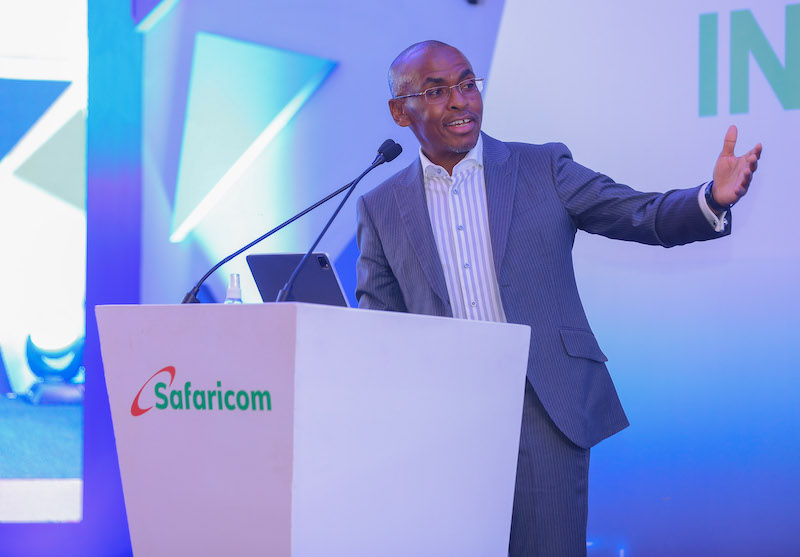
Kenya’s appetite for quick credit has turned digital overdrafts into a financial mainstay. What began as a mobile money convenience has evolved into a competitive market where telcos and banks vie for the same customer moment — when a balance runs dry and a few hundred shillings make all the difference.
Safaricom’s Fuliza still dominates the space. In the six months to September 2025, Kenyans borrowed Sh629.2 billion through the service, up 39.8 percent from the previous year. Active users reached 9.1 million, and the average loan stood at Sh254.60 — small amounts that collectively signal a deepening dependence on digital liquidity.
The trend underscores a broader economic tension: households navigating rising costs and erratic incomes through instant credit loops built into everyday mobile transactions.
Banks Step into the Arena
When the Co-operative Bank of Kenya launched Kamilisha, its digital overdraft platform, it joined a fast-crowding field already led by Safaricom and Equity Bank. Yet Co-op’s entry wasn’t merely about scale — it was about regulation, sustainability, and reclaiming ground from fintech-driven lending.


Kamilisha lets users overdraw up to Sh100,000 instantly, charging a two percent access fee and a daily rate of 0.2 percent on the outstanding balance, plus a small credit insurance cost. That puts it below Fuliza’s typical cost for a similar loan and in the same bracket as Equity’s Boostika.
Comparing Kenya’s Leading Digital Overdrafts
| Product | Provider | Maximum Limit | Cost of Sh1,000 for 30 Days | Main Fees | Regulated by CBK |
|---|---|---|---|---|---|
| Kamilisha | Co-op Bank | Sh100,000 | ~Sh84.34 | 2% access fee, 0.2% daily charge, 0.034% insurance, excise duty | Yes |
| Boostika | Equity Bank | Sh100,000 | ~Sh85 | 5% processing fee, 1% insurance, excise duty | Yes |
| Fuliza | Safaricom / KCB / NCBA | Sh70,000 | ~Sh180 | One-time 1% access fee, Sh6 daily charge | Yes |
These figures show how competition has tightened around pricing and accessibility. Banks are learning from telcos’ agility, while telcos lean on partnerships with lenders like KCB and NCBA to maintain regulatory footing. The overlap reflects a new kind of convergence — one where credit, payments, and telecom infrastructure operate as a single ecosystem.

Data Behind the Surge
According to the Central Bank of Kenya, licensed digital lenders disbursed over 5.5 million loans worth Sh76.8 billion by mid-2025 — nearly triple the 2023 figure. The number of licensed providers surpassed 150, underscoring both rapid adoption and growing oversight.
Yet convenience comes with risk. Defaults among digital loans hover near 40 percent, compared with 16 percent for traditional bank credit. In the microloan segment — typically under Sh1,000 — defaults can reach 80 percent. The figures point to the fragility of a system that thrives on repetition and immediate access rather than repayment discipline.
Regulation Catches Up
The CBK’s 2022 framework for digital lenders introduced mandatory licensing, fee disclosure, and data protection compliance. By late 2025, 153 firms had been approved. Oversight by the Data Protection Commissioner and the Competition Authority has curbed predatory practices, though regulators still face the challenge of keeping up with product innovation.
For regulated banks like Co-op and Equity, compliance has become both a burden and a competitive edge. If the CBK moves toward rate caps or stricter reporting, margins will tighten — but public trust may grow.
The Fine Balance Ahead
Kenya’s digital overdraft boom sits at the intersection of access and vulnerability. Products like Fuliza, Boostika, and Kamilisha fill crucial liquidity gaps but also entrench short-term borrowing as a way of life.
For consumers, the attraction is clear: speed, simplicity, and no paperwork. For providers, it’s a race to stay relevant in a financial culture defined by instant credit. For regulators, it’s a test of how far inclusion can stretch before it turns into dependency.
Digital overdrafts have become a mirror of the Kenyan economy — fast-moving, adaptive, and precariously balanced between innovation and strain.
Go to TECHTRENDSKE.co.ke for more tech and business news from the African continent.
Follow us on WhatsApp, Telegram, Twitter, and Facebook, or subscribe to our weekly newsletter to ensure you don’t miss out on any future updates. Send tips to editorial@techtrendsmedia.co.ke