Bigger screens, advanced technology and wealthy buyers reshape Kenya's luxury television market
Kenya's million-shilling TV market is taking shape as Samsung, LG and TCL target wealthy households

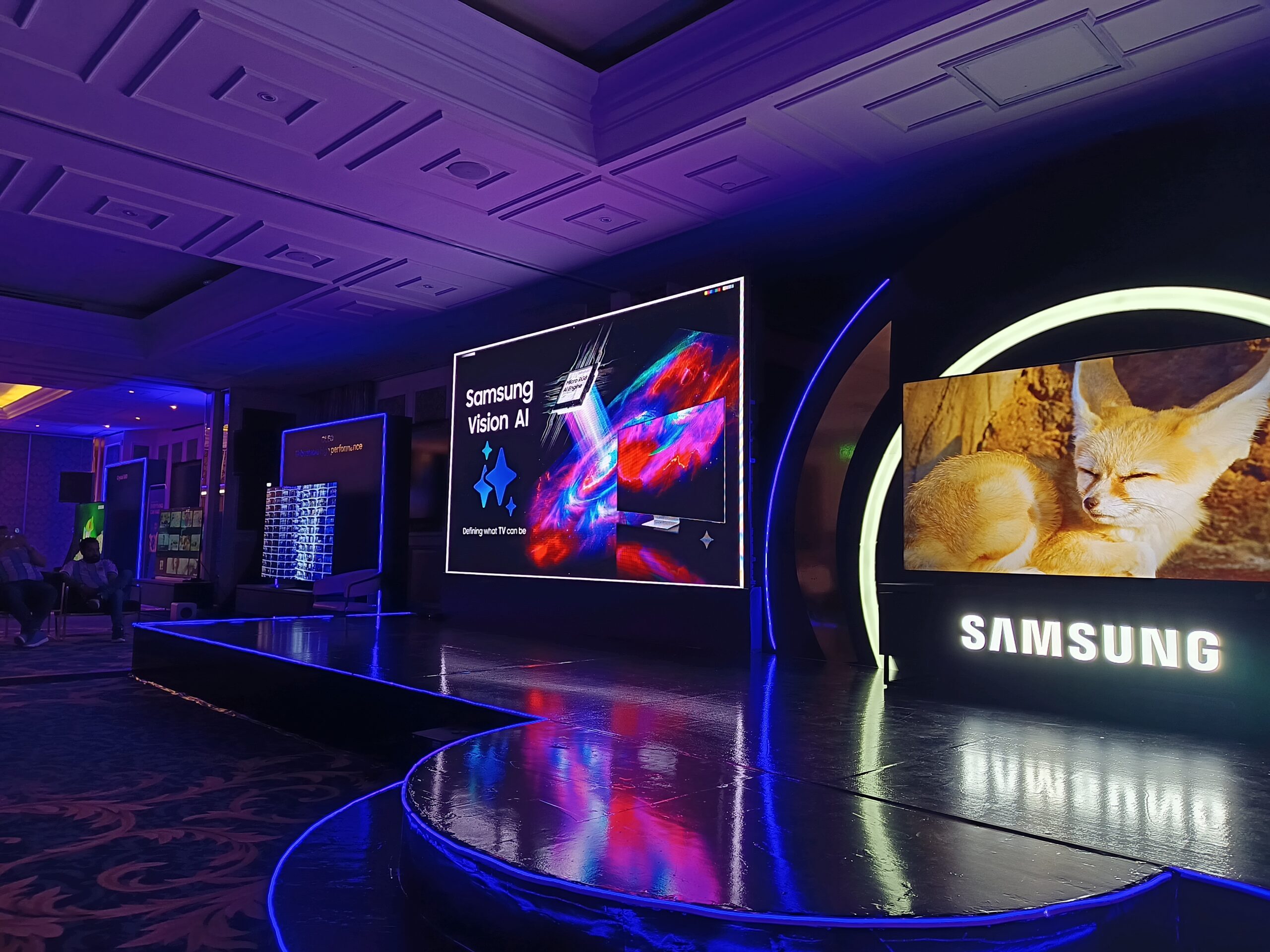
Kenya’s premium television market is attracting buyers willing to spend between KSh1.1 million and KSh2 million on individual sets, with Samsung, LG and TCL competing for affluent households and hospitality businesses. The market for expensive TVs in Kenya is concentrated in wealthy residential neighbourhoods, where large living spaces and demand for high-end home entertainment are supporting purchases of screens measuring close to 100 inches or more.
The competition is also changing the way manufacturers position their products. Beyond screen dimensions, companies are investing in Mini LED displays, artificial intelligence, connected-home features and improved sound technologies to differentiate their most expensive models.
Samsung’s most expensive television is a 98-inch model, according to Nyawira Muraguri, the company’s head of corporate marketing. LG sells a 115-inch QNED Mini LED television, while TCL’s largest offering measures 116 inches.
Kenya’s television market is splitting into distinct price segments
The market for large-screen televisions extends beyond the relatively small group of customers purchasing sets worth more than KSh1 million. Samsung says 65-inch televisions have overtaken 43-inch models as its fastest-moving screen category, compared with five years ago.

That change provides a wider view of the opportunity manufacturers are pursuing. Consumers are moving towards larger displays, while premium brands are targeting households prepared to pay substantially more for flagship models.
Samsung is pursuing growth across both segments. The company expects to double its television sales in Kenya by the end of 2027, with approximately 40% of sales projected to come through asset financing, according to its Head of Consumer Electronics Business, George Kebaso.
Its financing arrangement with Watu provides a route into the market for customers who cannot afford to pay the full purchase price upfront. Watu had financed more than 1,000 Samsung televisions since the programme began, according to figures reported by TechTrendsKE in November 2026.
The programme covers televisions ranging from 32-inch HD models to 65-inch Crystal UHD 4K sets, with repayment spread across 52 weekly instalments.

Samsung’s financing strategy addresses a different customer segment from its million-shilling flagship products, which are typically purchased through cash or bank cards.
Why affluent households are investing in larger screens
The highest-priced televisions are finding buyers among homeowners with spacious living rooms, family lounges and dedicated entertainment areas.
Samsung identifies hotels and affluent households as its principal customers for its most expensive televisions. Muraguri also identifies younger consumers, celebrities and sports personalities as emerging buyers, although they represent a smaller proportion of the market.
LG’s customer profile is concentrated around homeowners aged between 35 and 45, according to Emmanuel Njeru, the company’s television product manager. He describes many prospective buyers of its 115-inch model as business executives and business owners with large residential spaces.
Nairobi accounts for much of the demand. LG identifies Karen as its strongest market for large-screen televisions, followed by Lavington and Runda. Kilimani has also recorded increased interest.
Outside Nairobi, Nyali in Mombasa has delivered stronger sales than LG initially anticipated. Njeru said the company had expected Kisumu to perform better based on its assessment of the city’s demographics, but demand has been stronger in Mombasa.
TCL reports a different customer profile within the same high-income market. Sally Komen, a sales representative at the company’s Nairobi outlet, identifies wealthy executives and older homeowners as its principal buyers. She says celebrities and social media influencers sometimes associated with large television purchases may have received the products for promotional purposes.
The purchasing arrangements also distinguish this segment from the wider consumer electronics market. According to Samsung and LG, customers buying their most expensive televisions generally pay upfront using cash or bank cards rather than instalment financing.
Samsung, LG and TCL compete for premium buyers
The three manufacturers are positioning their largest televisions around different combinations of screen dimensions, display technology and home entertainment capabilities.
Samsung’s 98-inch model targets households and hospitality businesses seeking a large viewing surface. LG’s 115-inch QNED Mini LED television competes in the ultra-large display category, while TCL’s 116-inch offering gives it a comparable position in the market for premium home entertainment.
TCL also has a substantial global presence in Mini LED manufacturing. Figures attributed to Omdia in a November 2026 TechTrendsKE report put the company’s first-half 2026 Mini LED television shipments at 2.43 million units, representing annual growth of 77.1%.
Omdia figures cited in the same report placed TCL’s share of global Mini LED television shipments at 31.1% in 2025.
The figures illustrate the scale of TCL’s investment in the technology behind its premium television range, while Samsung and LG are also competing through their own display technologies and product ecosystems.
Mini LED and AI are changing the premium television proposition
Screen dimensions account for only part of the price difference between conventional and premium televisions. Manufacturers are also competing through improvements in brightness, contrast, colour reproduction and image processing.
Mini LED uses smaller light-emitting diodes in the backlight system of LCD televisions, allowing manufacturers to control brightness across multiple local dimming zones. This improves contrast by giving the television greater control over bright and dark sections of an image.
QLED technology uses quantum dots to enhance colour reproduction and brightness. LG’s QNED branding covers its premium LCD television technologies, with Mini LED backlighting incorporated into relevant models.
Samsung has also incorporated artificial intelligence into its latest television range through Vision AI. Its 2026 product strategy includes AI-powered picture and sound adjustments, sports viewing features and SmartThings integration.
The company’s latest televisions also support connected-home functions, allowing users to access compatible appliances and other connected devices through the television interface.
These developments extend the television’s role beyond displaying broadcast channels. Streaming applications, gaming consoles, connected devices and AI-powered services are becoming part of the product proposition manufacturers are selling to premium customers.
Streaming and sports are reshaping home entertainment
The investment in larger displays comes as Kenyan audiences change how they access entertainment.
Kenya’s traditional television distribution market has faced pressure from streaming platforms and social media. A TechTrendsKE report published in May 2026, citing KNBS figures, reported that active digital terrestrial television users fell to 932,500 in 2025, a decline of 79.4%. Direct-to-home satellite subscriptions stood at 681,600, down 57.2%.
The Media Council of Kenya’s findings cited in the report also showed that television’s daily reach declined from 63% in 2024 to 57% in 2025, while social media accounted for 39% of news consumption.
The shift towards internet-delivered content has created a different use case for television hardware. Consumers can use large screens to access subscription streaming services, online video, gaming and live sports without relying exclusively on scheduled broadcasts.
Sports are particularly relevant to manufacturers’ premium television strategies. Samsung has used football demonstrations to showcase features such as AI Soccer Mode, motion processing and sound controls designed to improve the viewing experience during live matches.
MultiChoice Kenya’s revised DStv packages also demonstrate the continued commercial importance of sports content. The company reported that sales of its redesigned packages were approximately 70% higher during their first three weeks than during the corresponding period in 2025.
The packages range from KSh750 to KSh7,300 monthly, with the KSh3,000 Sports package providing access to Premier League and UEFA Champions League coverage.
Kenya’s expanding fixed broadband market provides additional infrastructure for internet-based entertainment. Communications Authority figures reported by TechTrendsKE showed that fixed internet connections reached 2.84 million in June 2026, representing annual growth of 32.4%. Fibre connections accounted for 1.57 million of the total.
Financing opens another market for television manufacturers
Samsung’s decision to combine premium television sales with asset financing points to a wider opportunity beyond its most expensive products.
Through the Watu arrangement, customers can acquire selected Samsung televisions with an initial deposit and weekly repayments over 52 weeks. The programme includes models priced well below the company’s 98-inch flagship, extending access to larger screens among households that would otherwise need to save for an outright purchase.
For the ultra-premium segment, however, Samsung, LG and TCL are concentrating on consumers with the financial capacity to purchase exceptionally large displays upfront.
The two approaches give manufacturers access to different parts of Kenya’s consumer electronics market, from households upgrading to 65-inch televisions to affluent homeowners installing screens measuring more than 100 inches.
Visit TECHTRENDSKE.co.ke for more tech and business news from across Africa and the world.
Follow us on WhatsApp, Telegram, Twitter, and Facebook, or subscribe to our weekly newsletter so you don’t miss future updates. Send tips to info@techtrendsmedia.co.ke