
Ardena targets manual sustainability reporting with a new platform for ESG data collection and disclosure

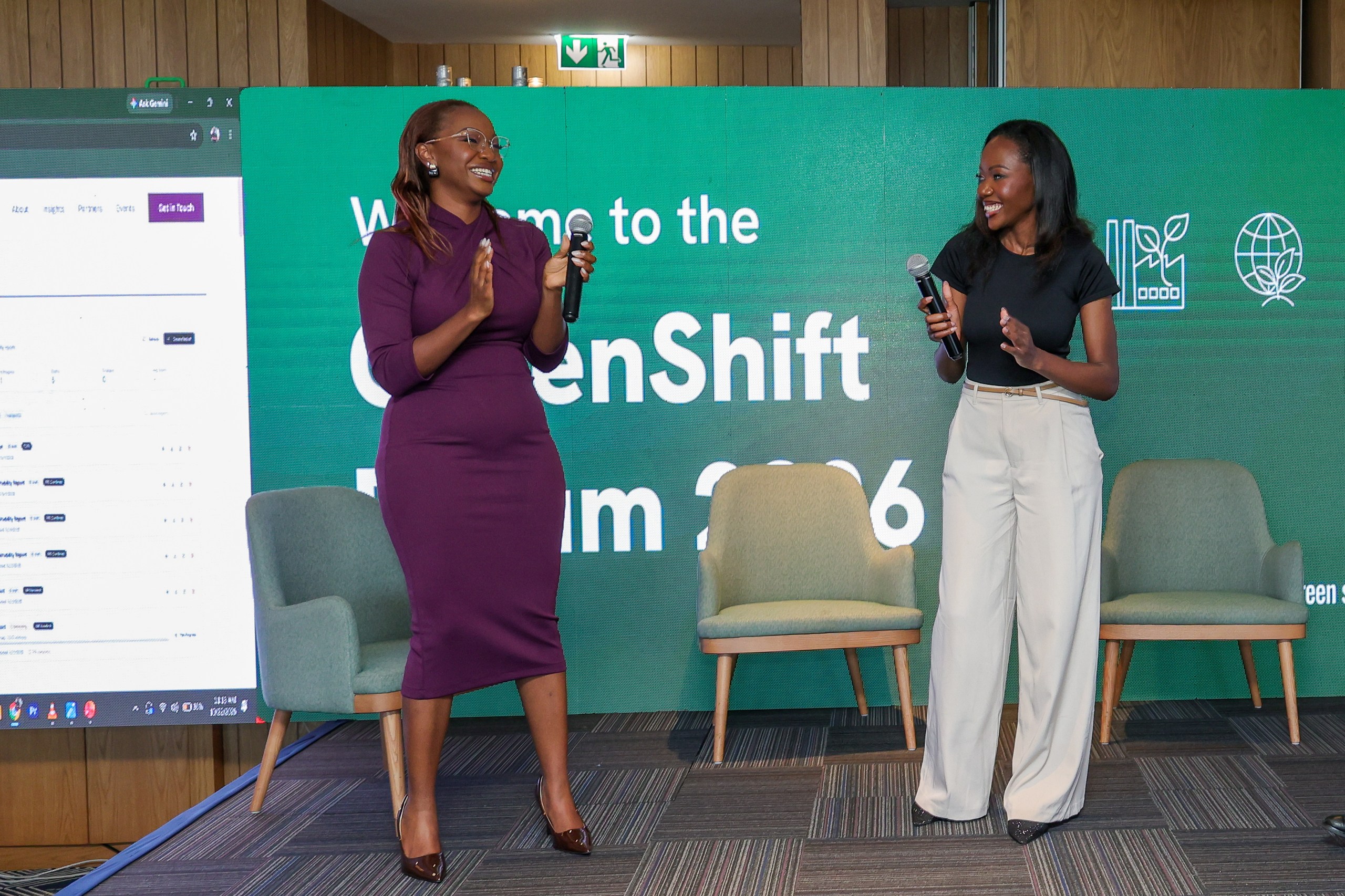
Ardena Consulting has introduced the Ardena Platform, an ESG data-management and reporting system designed to help businesses in Kenya and across East Africa organise sustainability information and prepare disclosures.
The platform brings data collection, emissions calculations, performance monitoring and reporting into a single system, targeting the manual processes that can consume time across sustainability, finance and compliance teams.
The launch places locally oriented enterprise software within a growing market for environmental, social and governance reporting. Businesses may need to collect information from operations, human resources, utilities and suppliers before assembling it into reports for management, investors, lenders or regulators. Ardena’s approach is to structure that process digitally, allowing organisations to work from a common dataset rather than repeatedly gathering and reformatting the same information.
Ardena Consulting was established by co-founders Stephanie Ojee and Njoki Kamau-Mbugua, whose work spans ESG advisory and sustainability-related services. The platform was showcased in connection with GreenShift Forum 2026, held at Hyatt Place Westlands in Nairobi on 22 October.


What the Ardena Platform is designed to do
The platform’s core function is to organise ESG information from different sources and turn it into structured reporting data. Ardena describes automated collection from operational systems, utility providers, human resources platforms and supply-chain partners, supported by validation tools intended to identify irregular or inconsistent inputs before they reach a report.
That workflow addresses a common operational problem. A sustainability team may receive electricity figures from facilities staff, workforce information from HR and supplier information from procurement, each recorded in a different format. Consolidating those records can involve repeated requests, spreadsheet reconciliation and manual checks. A shared system can give teams a more consistent way to collect, review and maintain the underlying information.
Ardena also lists dashboards, reporting-deadline tracking, version control and audit trails among the platform’s capabilities. These functions are intended to help users follow performance, manage reporting obligations and identify who supplied or changed a data point. Their practical value depends on how organisations configure the system, maintain source records and assign responsibility for the information being submitted.
One dataset for multiple reporting frameworks
Companies can face requests for sustainability information from several directions. Investors may seek comparable disclosures, lenders may require environmental and social performance data, and regulators may prescribe specific reporting formats. Multinational businesses can also need to provide information to parent companies or overseas customers.
Ardena says its platform maps a common dataset to multiple reporting frameworks, including the Global Reporting Initiative Standards, SASB, the Task Force on Climate-related Financial Disclosures, IFC Performance Standards and relevant Capital Markets Authority disclosures. The aim is to reduce repeated data entry and make it easier to prepare different outputs from the same underlying records.
A shared dataset can also help companies maintain consistency when the same measure appears in more than one report. However, reporting frameworks do not always define metrics in identical ways, and companies still need to establish the correct boundaries, calculation methods and evidence for each disclosure. Software can organise the process, while the organisation remains responsible for the accuracy and relevance of the information it reports.
Bringing emissions calculations into ESG reporting
The platform includes a greenhouse gas calculator designed to work with activity data and emission factors relevant to Kenya and East Africa. Ardena says it supports Scope 1, Scope 2 and Scope 3 emissions calculations, covering direct emissions, emissions associated with purchased energy and other indirect emissions across a company’s value chain.
For businesses preparing emissions inventories, the calculation is only one part of the task. They must determine which activities fall within the reporting boundary, gather suitable activity data, select appropriate emission factors and document their methodology. Scope 3 reporting can require information from suppliers and other parties outside a company’s direct operational control.
Bringing calculations into the same system as wider ESG reporting could make it easier to maintain records and connect emissions information to broader performance indicators. The resulting inventory still depends on the completeness of the inputs and the suitability of the methods used. Companies using the tool need processes for reviewing data and retaining evidence that supports the final figures.
Designed for East African data collection
Ardena positions the platform around the regulatory and operating conditions of East African organisations. Its listed capabilities include mobile data collection for low-bandwidth environments, workflows for field teams and ways to accommodate supplier information received in paper-based or informal formats.
These features are relevant to businesses collecting information beyond a central office. A company may need data from remote sites, agricultural operations, facilities or suppliers with different levels of digital infrastructure. A mobile-first workflow can make it easier to gather information at the point where it is generated, provided that staff can use the system and the data is checked consistently.
Ardena also describes pre-mapped requirements associated with Kenyan institutions and frameworks, including the Capital Markets Authority, the Nairobi Securities Exchange, the Central Bank of Kenya and the National Environment Management Authority. Such mapping can help users organise relevant reporting obligations, although businesses still need to determine which requirements apply to their activities and keep their processes aligned with changes in regulation.
Where automation fits into ESG management
Ardena says the platform can reduce reporting time by up to 70%, while its website also describes faster data collection and reporting across five or more frameworks from one dataset. These are company-stated performance claims about the intended benefits of the system, rather than a guarantee that every organisation will achieve the same results.
Actual savings will depend on the volume and quality of existing data, the number of reporting obligations, the level of integration with other systems and the amount of manual work already required. Businesses adopting an ESG platform also need to consider implementation, staff training, data governance and the effort involved in maintaining accurate records.
The product enters a field where sustainability reporting is connected to corporate risk management, access to finance, supply-chain requirements and operational performance. For businesses handling several reporting demands, the proposition is to establish a more structured data process and reduce repetitive administrative work.
The Ardena Platform brings those functions into a system designed around East African reporting and data-collection conditions. Its role is to help companies manage the information behind ESG disclosures, while the quality of the resulting reports continues to depend on the data, controls and decisions of the organisations using it.
Real ESG impact doesn’t happen in panels alone, it happens in the rooms where financiers, operators, and policymakers actually align. Our GreenShift Forum 2026 cuts the noise, bringing together the people rewiring Africa’s sustainability and energy frameworks for one focused day in Nairobi. Secure your seat.
Go to TECHTRENDSKE.co.ke for more tech and business news from the African continent and across the world.
Follow us on WhatsApp, Telegram, Twitter, and Facebook, or subscribe to our weekly newsletter to ensure you don’t miss out on any future updates. Send tips to editorial@techtrendsmedia.co.ke


