

Konza Technopolis Is Finding Its Place in Kenya's Digital Economy

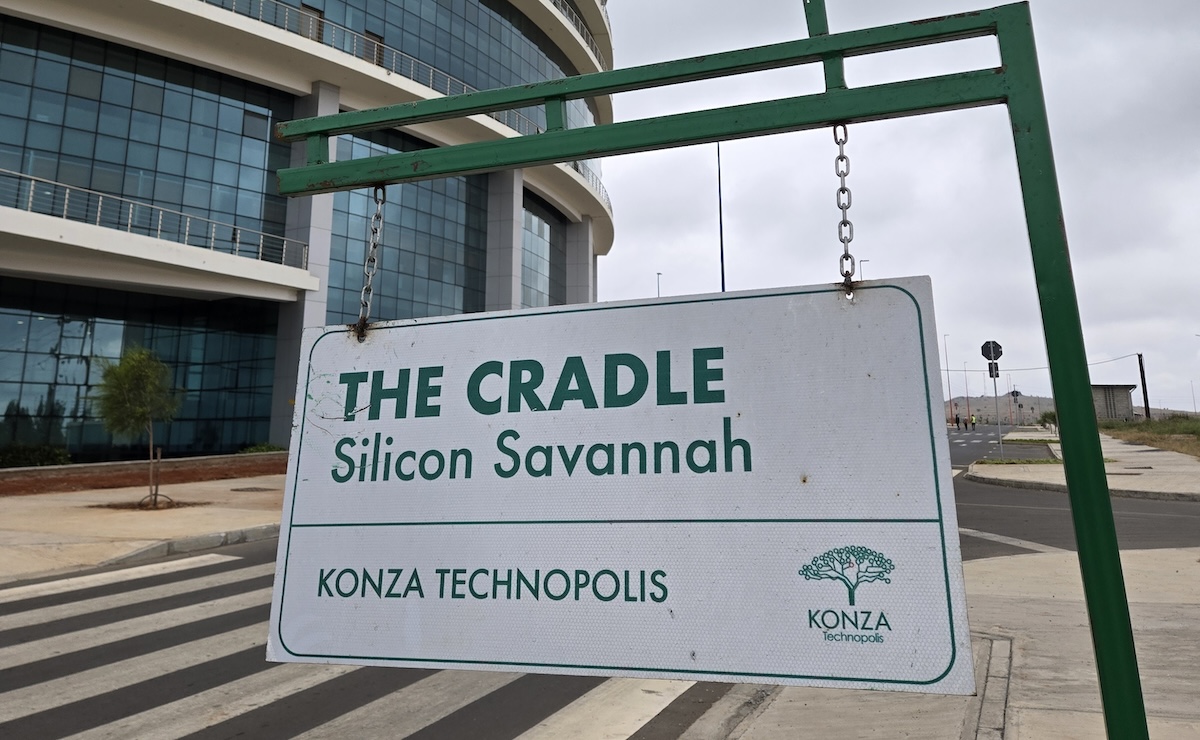
A decade ago, Konza Technopolis was largely judged by construction milestones. Questions centred on roads, utilities and whether Kenya’s flagship technology city would ever move beyond blueprints.
That conversation has changed. Today, Konza is steadily assembling the infrastructure that underpins a modern digital economy, from sovereign data facilities and research institutions to high-capacity power networks and innovation partnerships. The next chapter is no longer defined by what is being built, but by how effectively that infrastructure attracts technology companies, researchers and investment.
Konza’s early years were dominated by horizontal infrastructure. Roads, fibre networks, water systems, sewerage, electricity distribution and smart city utilities formed the foundation of the development.
Those investments are now supporting a broader technology ecosystem.


The National Data Centre has become one of the project’s most strategic assets, providing secure infrastructure for government digital services while strengthening Kenya’s ambitions around data sovereignty. Alongside it, public investments in digital infrastructure continue to expand through facilities designed to improve resilience, cybersecurity and business continuity across government.
Rather than functioning solely as a planned urban development, Konza is beginning to resemble a national technology campus where digital infrastructure sits alongside research, education and public sector innovation.
Several flagship government initiatives are now anchored within the technopolis.
The KRA Disaster Recovery Centre represents one example of critical public digital infrastructure relocating to Konza. Designed to safeguard tax administration systems against service disruptions, the facility demonstrates how the site is evolving into a location for nationally significant technology assets rather than conventional office developments.
The National Data Centre serves a similar purpose. As governments across the world invest in sovereign digital infrastructure to support cloud services, artificial intelligence workloads and digital public services, Kenya is positioning Konza as part of that long-term strategy.
These facilities may not generate the visibility associated with commercial office towers, but they provide infrastructure that supports public services used by millions of citizens.
Konza’s ambitions have always extended beyond property development.
Institutions such as the Kenya Advanced Institute of Science and Technology (Kenya-AIST) and the Open University of Kenya are expected to strengthen research and advanced skills development within the technopolis.
At the same time, the ecosystem around Konza has expanded through international partnerships, startup programmes and innovation exchanges involving universities, investors and technology organisations from across Africa and beyond.
Events such as IPDAYS have brought together entrepreneurs, researchers, policymakers and ecosystem partners to explore cross-border collaboration, startup exchange opportunities and commercialisation pathways for emerging technologies.
Collectively, these initiatives point towards an ecosystem designed to generate ideas, research and technology businesses rather than simply provide commercial office space.
Digital infrastructure depends on more than data centres.
Reliable electricity, fibre connectivity and resilient utility networks remain essential for attracting technology investment, particularly as artificial intelligence, cloud computing and advanced research place growing demands on power infrastructure.
Projects such as the Isinya-Konza 400kV transmission line are intended to strengthen electricity supply and improve long-term capacity for future developments within the technopolis.
Combined with existing ICT infrastructure and utility networks, these investments create the conditions required for data-intensive industries that depend on uninterrupted connectivity and stable power.
The question surrounding Konza is no longer whether infrastructure exists.
The more important challenge is converting that infrastructure into sustained economic activity.
Private developments such as Tatu City have demonstrated how commercial flexibility can accelerate tenant acquisition and industrial development. Konza, however, serves a broader purpose. Alongside attracting private investment, it is expected to support research, digital public infrastructure, higher education and technology policy objectives.
Those different mandates make direct comparisons imperfect.
A mixed-use commercial city can measure success largely through occupancy and investment returns. A technopolis must also be judged by its ability to attract research institutions, technology companies, innovation programmes and strategic national infrastructure.
That does not diminish the importance of private investment. If Konza is to mature into a globally competitive technology cluster, it will need more startups, multinational technology firms, research laboratories and private developers choosing to establish long-term operations there.
Konza is entering a stage where physical construction is no longer the defining story.
The infrastructure needed to support a technology ecosystem is becoming increasingly visible through data centres, research institutions, resilient utilities and digital public infrastructure. The next measure of success will depend on whether those assets encourage sustained innovation, commercial research and private-sector technology investment.
Kenya has already laid much of the physical foundation. The challenge now is building the ecosystem that transforms infrastructure into new companies, intellectual property, high-value jobs and technologies capable of serving both the domestic market and the wider African digital economy.
Download the free Kaspersky SMB Cybersecurity Guide here to learn how businesses can move beyond traditional antivirus and build a more resilient approach to cybersecurity.