

Spotify Wants You to Talk to Your Music Instead of Searching for It

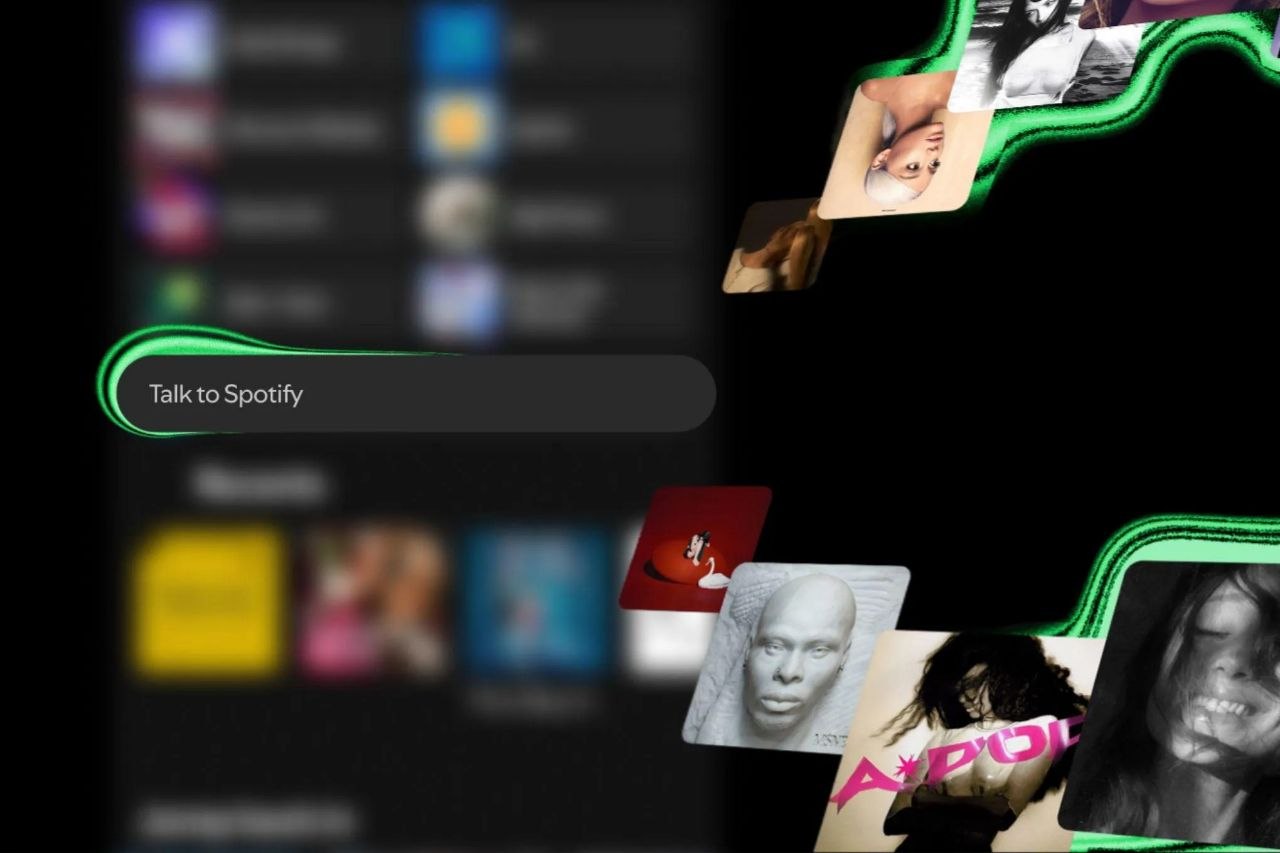
Spotify has introduced Talk to Spotify, a new conversational AI feature that lets eligible Premium subscribers control playback, discover music and ask questions about what they are listening to through natural voice or text conversations. The beta release places an AI assistant directly inside Spotify’s mobile app, giving users another way to interact with music, podcasts and audiobooks without navigating through multiple menus.
Available to Premium users aged 18 and older in the United States, Ireland and Sweden, Talk to Spotify works in English on Android and iOS. The rollout begins in beta, with Spotify noting that responses may not always be accurate as the experience continues to evolve.
Spotify Introduces a Conversational AI Experience
Spotify has spent the past few years layering artificial intelligence into different parts of its platform. AI DJ delivers personalized listening sessions, AI Playlist creates playlists from prompts, and recommendation systems quietly shape much of what users hear.
Talk to Spotify brings those capabilities together behind a conversational interface.


Instead of tapping through search results or playlist pages, users can type or speak naturally. A request such as “Play some artists I haven’t heard before” becomes the starting point for a conversation that can continue with follow-up instructions like adding Bad Bunny, narrowing the selection to recent releases or making the music more upbeat.
The interaction feels closer to chatting with an assistant than operating a streaming application.
What Users Can Do With Talk to Spotify
Control Music With Natural Language
The assistant supports everyday playback commands that extend beyond simply finding music.
Users can ask Spotify to save songs, add tracks to the queue, follow artists or refine recommendations while music continues playing. Rather than restarting a search each time preferences change, listeners can keep adjusting results within the same conversation.
That approach reduces the number of manual steps needed to build playlists or discover unfamiliar artists.
Ask Questions About Songs, Podcasts and Audiobooks
The assistant also acts as an information layer across Spotify’s audio catalogue.
Listeners can ask when an album was released, what inspired a particular record, what genre a song belongs to or discover related artists. Podcast listeners can ask about featured guests, while audiobook users can request information about authors or other books they have written.
The responses appear without requiring users to leave the Now Playing screen or open external search engines.
Explore Your Own Listening History
Perhaps the most distinctive feature is Spotify’s ability to answer questions about a user’s own listening habits.
Subscribers can ask when they first listened to a song, what genres have dominated their recent listening or explore other details drawn from years of activity stored within their account.
This builds on Spotify’s broader investment in personalized listening experiences. Earlier this year, the company introduced its 20th anniversary recap, allowing users to revisit the first songs they streamed and long-term listening milestones. Talk to Spotify takes that same historical data and makes it conversational, allowing users to ask questions instead of scrolling through curated summaries.
Why This Launch Matters Beyond Voice Commands
Talk to Spotify is more than another AI feature added to Spotify’s growing toolkit.
Earlier this year, Spotify’s Head of Consumer Experience, Sten Garmark, outlined a product direction centred on letting users express what they want in natural language rather than relying solely on recommendation algorithms. He described AI as a way for listeners to communicate their preferences directly while remaining in control of discovery.
The new assistant represents one of the clearest examples of that vision reaching consumers.
Rather than replacing Spotify’s recommendation engine, it gives listeners another way to guide it. Search, playback, music discovery and personal listening insights become part of a single conversation.
Spotify also confirmed that the assistant relies on a combination of its own AI technology and models from multiple providers, selecting whichever model best suits a particular task. That architecture suggests the company is matching different AI systems to recommendation, retrieval and conversational workloads instead of depending on a single large language model.
The launch also places Spotify alongside other companies building conversational interfaces into entertainment platforms. Amazon has integrated Alexa+ into Amazon Music, while Apple continues expanding Siri’s role across Apple Music. Spotify’s advantage lies in the depth of its listening history, playlists and behavioural data collected across millions of users, allowing the assistant to answer questions that are unique to each subscriber.
Availability and Rollout
Talk to Spotify is rolling out gradually in beta for Premium subscribers aged 18 and older in the United States, Ireland and Sweden. The feature currently supports English and is available on Android and iOS.
Spotify has not announced when the conversational assistant will expand to additional markets or languages, though the beta rollout indicates that user feedback will help shape future development.
For Spotify, the feature marks another step toward making conversations a central part of how listeners discover, manage and understand the audio they consume every day.
Download the free Kaspersky SMB Cybersecurity Guide here to learn how businesses can move beyond traditional antivirus and build a more resilient approach to cybersecurity.


