

TIDAL Stops Paying Royalties on Fully AI-Generated Music as Streaming Rules Enter a New Phase
A new payment framework lets musicians determine whether fully AI-created recordings can earn alongside human performances, adding a commercial layer to the industry's artificial intelligence debate.

Artificial intelligence has changed how music can be created. It is now beginning to change how streaming platforms decide who gets paid.
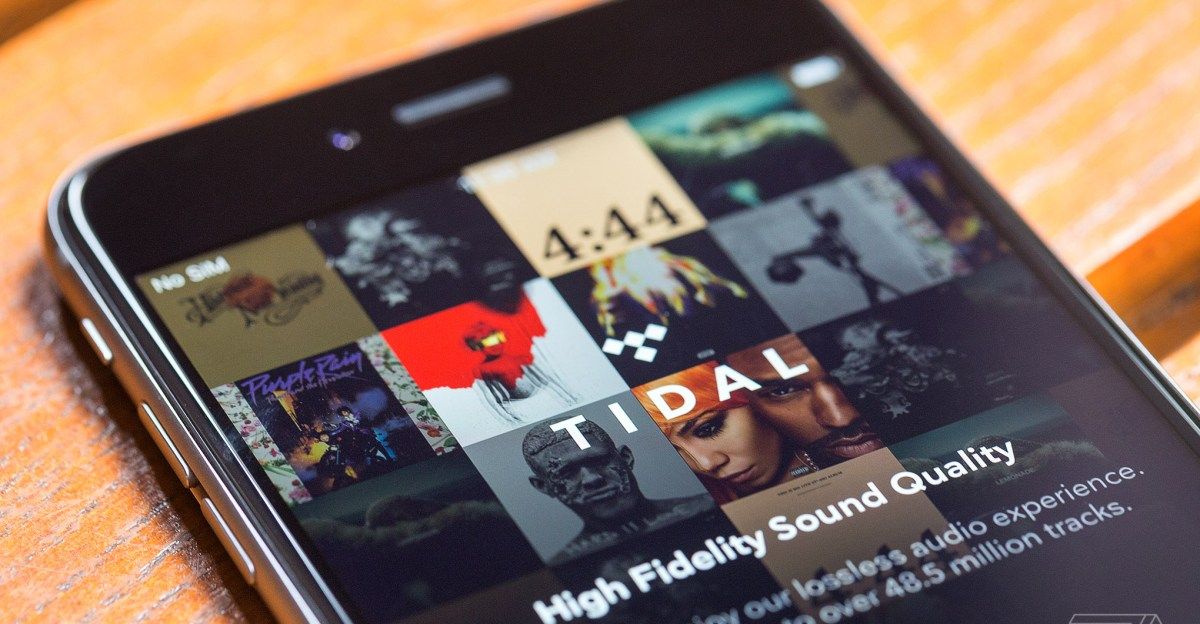
TIDAL has introduced one of the industry’s most consequential AI policies, announcing that wholly AI-generated music will remain available on the platform but will no longer qualify for royalty payments. The service will also begin labeling those tracks for listeners while removing AI-generated uploads that impersonate artists or support fraudulent activity.
The decision does not amount to a ban on AI-created music. TIDAL will continue accepting AI-generated releases that comply with its platform rules and agreements with distributors. The distinction lies in monetization. Music identified as entirely AI-generated will remain available to stream but will no longer qualify for royalty payments or direct-to-fan sales through TIDAL Upload.
That separation between availability and payment marks a notable development in the streaming industry’s response to generative AI. Earlier efforts largely focused on detecting synthetic music, identifying fraudulent uploads or asking labels to disclose AI involvement. TIDAL has added another layer by deciding that eligibility for royalties should depend on human authorship.
The policy arrives as streaming services grapple with an explosion of AI-generated music. Platforms have spent months building detection systems, tightening rules around impersonation and asking distributors to disclose AI-created material. TIDAL is now extending that conversation into the economics of streaming by deciding which recordings should participate in the royalty pool.
Why TIDAL Is Refusing Royalties for Fully AI-Generated Music
TIDAL frames its policy around a straightforward principle: royalties should reward original works created, written and performed by people.
Under the company’s new AI policy, it will not knowingly distribute royalty payments to releases it identifies as wholly AI-generated. The same standard applies to independent musicians using TIDAL Upload, whose releases will also become ineligible for direct monetization if the platform determines they were created entirely by artificial intelligence.
The company is also placing new responsibilities on distributors, saying AI-generated content should be identified before it reaches the platform. That expectation moves part of the compliance burden upstream, making labels and distributors participants in AI governance rather than leaving detection solely to streaming services.
Tony Gervino, TIDAL’s Executive Vice President and Editor-in-Chief, said the company is responding to a growing volume of AI-generated music designed to imitate established artists and capture royalty payments without meaningful creative contribution.
His comments also clarify what the policy is not intended to do.
TIDAL does not oppose artificial intelligence as a production tool. Artists remain free to use AI during songwriting, recording, editing or production where appropriate. The company’s concern centers on music generated entirely by machines and uploaded for commercial gain, particularly when those releases imitate existing performers or exploit automated distribution systems.
That distinction reflects a broader debate unfolding across the music industry. AI-assisted creativity has found acceptance in many parts of music production. Fully autonomous music generation, especially where it affects copyright, royalties or artist identity, remains far more contentious.
The Policy Goes Beyond Labels and Content Moderation
Streaming platforms have spent the past two years introducing measures intended to improve transparency around AI-generated content.
Some rely on labels and distributors to disclose AI involvement. Others have built detection systems capable of identifying synthetic recordings or removing fraudulent uploads. Those initiatives primarily address content moderation and consumer awareness.
TIDAL’s policy extends beyond both.
Rather than asking only whether AI-generated music should appear on the platform, the company is asking whether it should participate in the same royalty economy as human-created works.
That distinction changes the nature of the debate.
Streaming royalties operate as a shared revenue pool. Every fraudulent stream, duplicate upload or synthetic recording that captures listening time competes for a portion of the money generated through subscriptions and advertising. As AI music production becomes cheaper and faster, platforms face mounting pressure to prevent automated uploads from overwhelming systems designed to reward creative work.
The concern is no longer theoretical.
French streaming service Deezer disclosed earlier this year that it receives about 75,000 fully AI-generated tracks every day, representing roughly 44% of all new music delivered to its platform. The company also said most streams involving fully AI-generated music during 2025 were linked to fraudulent activity, leading it to exclude those plays from royalty calculations.
Those figures illustrate why AI governance has become a commercial issue rather than simply a technological one.
For streaming services, the challenge extends beyond identifying machine-generated music. They must also determine how those recordings fit within royalty systems originally built around human performers, songwriters and rights holders.
The answer is beginning to differ from platform to platform.
How TIDAL’s Approach Compares With Spotify, Deezer, Apple Music and Others
TIDAL’s policy arrives as streaming platforms adopt different strategies for managing AI-generated music, though their objectives are beginning to converge.
Deezer has invested heavily in platform-level AI detection and was among the first major streaming services to identify and label fully AI-generated tracks. It also excludes fraudulent AI streams from royalty calculations after reporting that automated uploads had become a significant source of streaming manipulation.
Spotify has taken a different route. The company has focused on combating spam uploads, impersonation and artificial streaming while working with labels and distributors on ways to disclose AI involvement in music. It has also tested AI labels in song credits and restricted verification for artist profiles that primarily represent AI-generated performers. The emphasis has remained on transparency and abuse prevention rather than determining whether AI-generated recordings should receive royalties.
Apple Music has introduced AI labels that rely on declarations from labels and distributors instead of platform-level detection, while Qobuz has deployed its own detection technology to identify AI-generated recordings and remove those used for impersonation or fraudulent activity.
Viewed together, these policies reveal a common concern about transparency, fraud and artist protection. TIDAL stands apart because it directly links AI detection to eligibility for payment. The platform is no longer deciding only what listeners should hear. It is deciding which recordings qualify to participate in the streaming economy.
That distinction could prove more consequential than the AI label itself.
Streaming services have historically acted as distributors and recommendation engines. Their role now extends into determining whether a piece of music meets the threshold for commercial participation. That places platforms much closer to the economic governance of digital music than before.
What the New Rules Mean for Artists, Labels and AI Developers
For artists, the policy offers reassurance that platforms are beginning to respond to concerns about AI-generated uploads competing for royalties. Musicians and rights holders have argued that automated content can overwhelm discovery systems, imitate established performers and dilute revenue generated by genuine creative work.
Independent artists using AI as part of their production process should also note that TIDAL is not drawing the line at AI assistance. Its policy targets releases it identifies as wholly AI-generated. That leaves room for artists who use artificial intelligence during composition, production or mastering while remaining the principal creators of the work.
For labels and distributors, the announcement introduces new compliance expectations.
TIDAL says distributors should identify AI-generated content before it reaches the platform and has indicated that it will begin enforcing that requirement. The responsibility for AI disclosure is therefore moving beyond streaming services to companies that deliver music into digital distribution networks.
AI developers also face a changing commercial landscape.
Many companies developing music-generation models have argued that properly licensed training data could support legitimate commercial music created with artificial intelligence. TIDAL acknowledges that debate remains unresolved.
The company describes its AI policy as a living document and recognizes that future licensing frameworks could alter how fully AI-generated recordings are treated. That leaves the door open to changes if legal standards, industry agreements or licensing models evolve.
The Debate Over AI Music Is Far From Settled
TIDAL’s announcement does not settle the industry’s debate over artificial intelligence. It raises a different set of practical questions.
The company has not explained in detail how it will identify wholly AI-generated recordings or how disputes over classification will be handled. Detection technology continues to improve, but distinguishing between AI-assisted production and entirely machine-generated music remains technically challenging.
That uncertainty is likely to remain part of the conversation as artists adopt AI tools in more varied ways. Modern recording workflows already incorporate artificial intelligence for vocal cleanup, mastering, stem separation and production assistance. Drawing a clear boundary between assistance and authorship will become more difficult as those tools become commonplace.
Even so, the direction of travel across the industry is becoming easier to recognize.
The first stage of the AI debate focused on whether streaming platforms should allow AI-generated music. The second centered on transparency through disclosure requirements, content labels and fraud detection.
TIDAL’s policy introduces another stage. The discussion is now extending to who should receive streaming income when artificial intelligence creates the music.
That question reaches beyond TIDAL.
As AI-generated music continues to grow in volume, other streaming services will face similar decisions about authorship, compensation and the future structure of royalty systems. Whether they adopt TIDAL’s approach or choose different models, the industry is moving toward a point where AI governance is no longer limited to content moderation. It has become part of the financial architecture of music streaming.
Go to TECHTRENDSKE.co.ke for more tech and business news from the African continent and across the world.
Follow us on WhatsApp, Telegram, Twitter, and Facebook, or subscribe to our weekly newsletter to ensure you don’t miss out on any future updates. Send tips to editorial@techtrendsmedia.co.ke


