

Why Safaricom Wants Retained Earnings Kept Out of Share Buybacks
The proposed AGM amendment reinforces a capital allocation strategy that prioritises business investment and dividends over returning cash through stock repurchases.

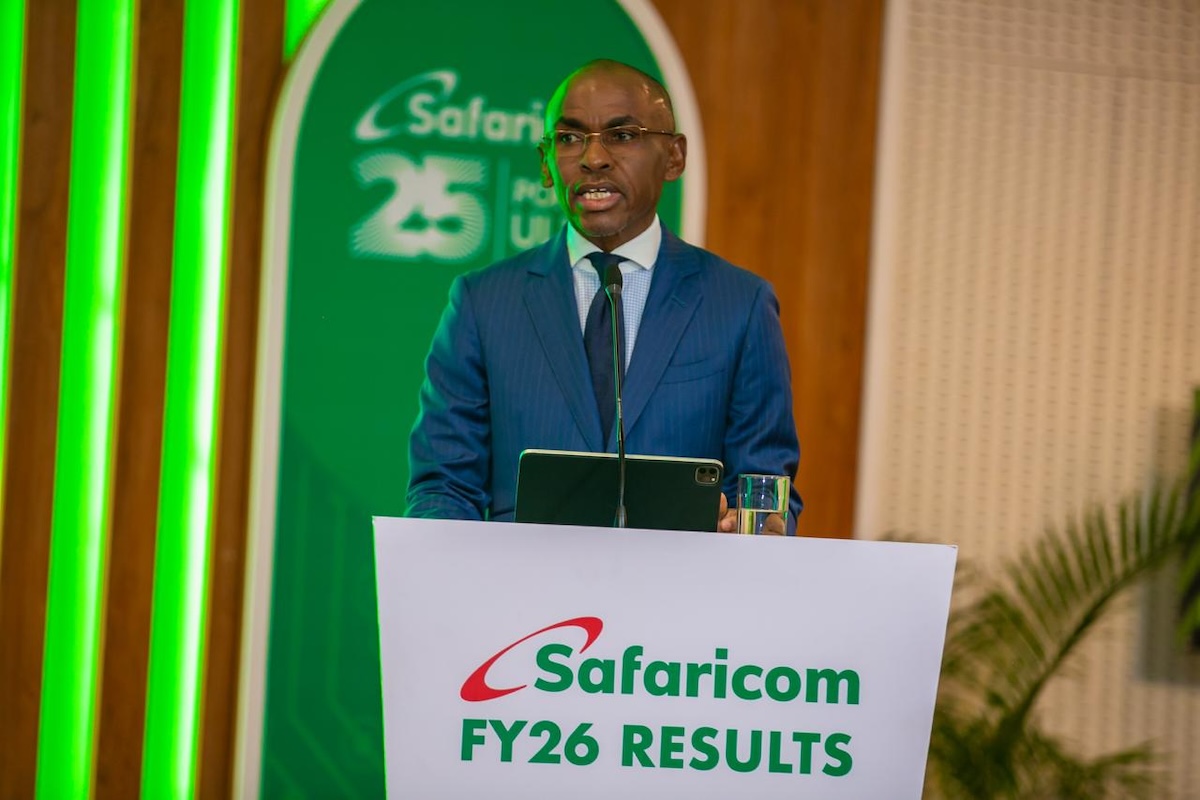
Safaricom’s proposal to prohibit the use of retained earnings for share buybacks may appear to be a technical amendment to its Articles of Association, but it carries wider implications for how Kenya’s largest listed company intends to deploy shareholder capital.
Ahead of its Annual General Meeting on July 31, the telecommunications firm is seeking shareholder approval to amend Article 134 so that reserves created from retained earnings cannot be used to acquire Safaricom’s own shares. Instead, those funds would remain available for business investment, other permitted investments and future dividend distributions.
The proposal offers investors a clearer picture of Safaricom’s long-term capital allocation priorities. Rather than keeping share repurchases available as another way of returning cash to shareholders, the company is choosing to formalise a policy that favours reinvestment and dividends.
Why Safaricom Wants to Restrict Share Buybacks
The proposed amendment preserves the board’s authority to set aside profits as reserves before recommending dividends. What changes is how those reserves may be used.

If approved, directors would no longer be able to deploy retained earnings to purchase Safaricom shares from the market. The revised article instead limits those reserves to uses that support the business directly or investments in assets other than Safaricom stock.
Although Safaricom has never undertaken a share buyback since listing on the Nairobi Securities Exchange in 2008, the amendment goes a step further by removing retained earnings as a future funding source for such a programme.
That is notable because Kenya’s legal framework has allowed listed companies to repurchase their own shares since the Capital Markets Authority introduced buyback regulations in 2021.
Rather than preserving that flexibility, Safaricom is asking shareholders to endorse a more defined capital allocation framework.
The Proposal Reinforces a Dividend-First Strategy
Safaricom reported retained earnings of Sh165.74 billion at the group level at the end of March 2026, while the company balance stood at Sh256.74 billion. Those reserves have accumulated despite the company maintaining one of the Nairobi Securities Exchange’s strongest dividend records, distributing roughly 80 percent of annual net profit to shareholders.
For many investors, consistent dividend income remains one of the main reasons for owning Safaricom shares.
A share buyback could also return value to shareholders by reducing the number of outstanding shares and increasing earnings per share. In some markets, buybacks are preferred because they can improve shareholder returns without triggering the withholding taxes associated with dividend payments.
Safaricom’s proposal indicates that the company believes retained earnings are likely to generate greater long-term value when directed towards investment and shareholder distributions rather than reducing its share count.
Ethiopia Explains Why Capital Still Matters
The timing of the proposal also reflects the scale of Safaricom’s ongoing investment commitments.
During the financial year ended March 2026, the company invested another Sh21.3 billion in its Ethiopian business, increasing its ownership to 54.1 percent and lifting its cumulative funding commitment to approximately Sh158 billion. Although losses narrowed substantially during the year, management has said the operation still requires investment as it moves from network rollout towards commercial scale. That business is expected to reach operating profitability during the current financial year.
Those commitments illustrate why management may view retained earnings as strategic capital rather than surplus cash.
Beyond Ethiopia, Safaricom continues investing in fibre infrastructure, digital platforms, enterprise services and technology upgrades under its Vision 2030 strategy. Together, those initiatives compete for the same pool of capital that could otherwise finance share repurchases.
The proposed amendment also sits alongside a wider package of governance changes that shareholders will consider at the AGM, including tighter oversight of future expansion beyond Kenya and Ethiopia. Taken together, the proposals point to a company placing greater emphasis on disciplined capital deployment as its ownership structure evolves.
Buybacks Can Reward Shareholders—But Also Carry Risks
Supporters of share buybacks argue that they provide a tax-efficient method of returning excess cash to investors while increasing each remaining shareholder’s claim on future earnings.
Critics, however, caution that buybacks can absorb cash needed for expansion, innovation or acquisitions. They also warn that companies sometimes repurchase shares when valuations are already high, limiting the benefit for long-term investors.
In Kenya, companies including Nation Media Group and Centum Investment Company have executed share buybacks, while others such as Jubilee Holdings and Absa Bank Kenya have amended their constitutions to create room for future programmes.
Safaricom is taking a different route by narrowing, rather than expanding, its available capital allocation options.
What the AGM Vote Could Mean for Investors
The proposed amendment does not affect Safaricom’s existing dividend policy, nor does it prevent the company from generating substantial returns for shareholders through business growth.
Instead, it establishes a clearer framework for how retained earnings should be deployed in future.
For income-focused investors, the proposal reinforces Safaricom’s commitment to dividends and long-term investment. For growth investors, it demonstrates that management still sees attractive opportunities to reinvest capital across its network, digital services and Ethiopian operation.
Ultimately, the proposal says less about whether share buybacks are good or bad and more about how Safaricom views its next stage of growth.
Despite holding billions of shillings in retained earnings, the company is making the case that expanding the business, strengthening its competitive position and maintaining shareholder payouts remain better uses of capital than repurchasing its own shares.
A Practical Guide for Businesses Reviewing Their Cybersecurity
Cyber threats continue to evolve, but businesses do not need to navigate those challenges without reliable information. Understanding how modern attacks work is the first step towards making informed security decisions.
The Kaspersky SMB Cybersecurity Guide examines common attack methods, explains the role of modern endpoint protection and outlines how layered security can help businesses detect and respond to threats more effectively. It is designed for organisations looking to strengthen cybersecurity without adding unnecessary operational complexity.


