

Safaricom AGM to Decide Sweeping Board Changes
The planned amendments would redefine leadership appointments and board composition after the Government reduced its stake in Kenya's largest telecom operator.

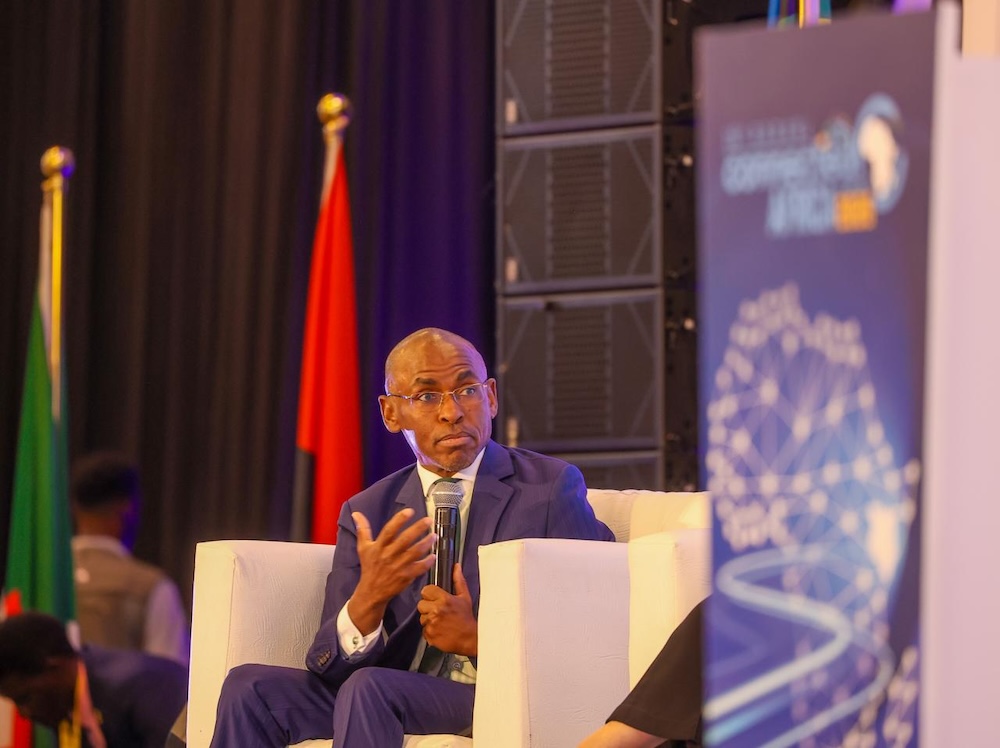
Safaricom shareholders will vote on a sweeping set of governance changes later this month that could formally cement Vodafone Kenya Limited’s influence over the company’s leadership following its majority acquisition
The processed amendments, scheduled for approval during Safaricom’s Annual General Meeting (AGM) on July 31, 2026, seek to align the company’s Articles of Association with its new ownership structure after Vodafone Kenya Limited (VKL) increased its stake to 55%.
These changes follow the completion of VKL’s acquisition of an additional 15% stake from the Government of Kenya on June 30. The transaction, which received approval from the Capital Markets Authority (CMA), reduced the Government’s shareholding to 20%, while public investors continue to own the remaining 25%.
If shareholders approve the special resolutions on the AGM agenda, VKL will be given greater authority over Safaricom’s board composition and executive leadership while preserving key Government oversight on strategic national interests by the revised Governance framework.

Major Ownership to Translate Into Greater Board Influence
Vodafone Kenya Limited under the proposed changes will gain the right to appoint one director for every complete 10% shareholding it owns. The company will also be entitled to nominate five directors to the Safaricom board if they’ll have a 55% stake. The Government through the Cabinet Secretary of the National Treasury, will retain appointment rights based on its 20% stake, alongside two additional board appointments provided for in the revised articles.
Another notable proposal introduces a provision that, for as long as the Vodacom Kenya Limited remains the majority shareholder, the Chief Financial Officer will serve as a stand-in director for to the CEO. The amendments also provide that future CEOs will be selected from candidates who will be nominated by the VKL, marking a significant shift in how the company’s top leadership is appointed.
Kenyan Representation Remains Protected
Despite the increased influence of the majority shareholders, the proposed governance structure maintains safeguards which are aimed to preserve local representation. The revised Articles also require Safaricom’s board to consist of at least seven directors, with the majority being Kenyan Citizens. Independent non-executive directors will also remain to be part of the board, ensuring the company continues to meet corporate governance standards while balancing shareholder interests.
Government Retains Strategic Veto Powers
Although the governments stake has reduced, the government will continue to hold a significant influence over decisions considered critical to Safaricom’s national identity. Among the proposed amendments is a revised provision requiring both governments approval and a 75% board majority before the company changes its brand name. This will effectively prevent any unilateral rebranding by the majority shareholders.
The government will also retain the power to approve any expansion into markets outside Kenya and Ethiopia, ensuring that decisions on Safaricom’s regional growth remain subject to state oversight.
What These Changes Mean for Safaricom
The proposed governance changes will reflect a new balance of power within one of the East Africa’s most valuable telecommunications companies. Vodafone Kenya Limited will gain stronger operational control through its majority ownership, including greater influence over board appointments and future CEO selections. At the same time, the Government would preserve authority over strategic decisions that affect Safaricom’s identity and regional footprint.
For Safaricom’s millions of customers including the M-Pesa users, the proposed governance changes are not expected to affect day to day services immediately. Instead, they will primarily redefine how the company will be governed and who will shape its long-term strategic direction in the coming years.
A Practical Guide for Businesses Reviewing Their Cybersecurity
Cyber threats continue to evolve, but businesses do not need to navigate those challenges without reliable information. Understanding how modern attacks work is the first step towards making informed security decisions.
The Kaspersky SMB Cybersecurity Guide examines common attack methods, explains the role of modern endpoint protection and outlines how layered security can help businesses detect and respond to threats more effectively. It is designed for organisations looking to strengthen cybersecurity without adding unnecessary operational complexity.


