How Girls-I Save Africa Is Shaping Future Tech Founders
Founder Gheida Abdallah reflects on why mentorship, entrepreneurship and stronger support systems are essential to help more young women turn classroom innovations into lasting ventures.

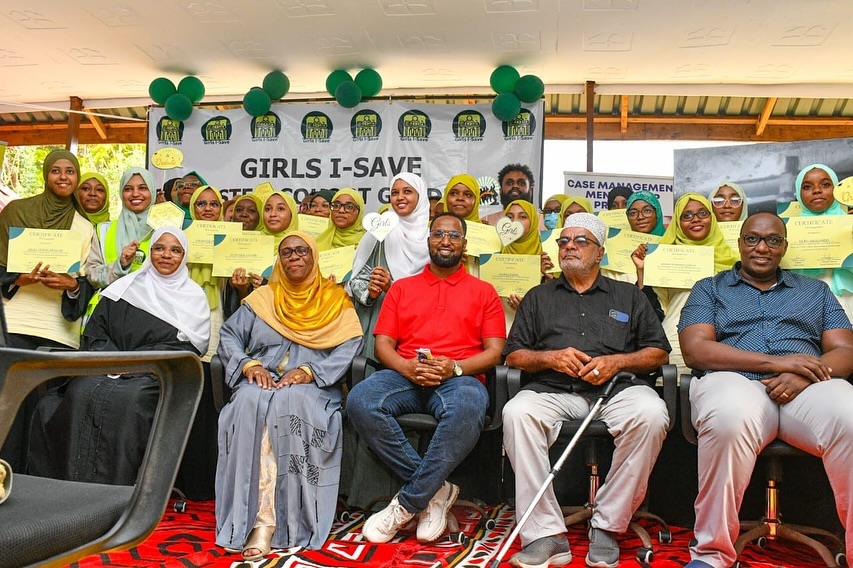
Across Kenya, schools are increasingly embracing innovation programmes, STEM competitions and technology workshops that encourage students to move beyond textbooks and develop solutions to real-world challenges. While many promising ideas emerge in the classroom, only a few students continue that journey beyond high school, transforming their innovations into ventures with lasting social impact.
From Science Congress to Girls-I Save Africa
One of those changemakers is Gheida Abdallah, whose passion for science evolved into the founding of Girls-I Save Africa. In this exclusive interview with Tech Trends Media, Abdallah reflects on her journey from high school science projects to leading an organization that has empowered more than 6,000 girls across Kenya. She also shared how Girls-I Save Africa is nurturing the next generation of innovators and why stronger support systems are needed to help more young women turn classroom ideas into successful technology ventures.
Girls-I Save Africa (GISAVE) is equipping young women with digital, STEM, leadership and entrepreneurship skills, helping them develop technology-driven solutions to real-world challenges. Since its inception, the organization has impacted more than 6,000 girls across Kenya through programmes designed to prepare them to become innovators, problem-solvers and community leaders.
“My passion is creating opportunities for girls to see technology not just as a career path, but as a tool for solving real community challenges and driving sustainable development,” Abdallah said.


Encouraging Girls to Build Technology Solutions for Real Problems
GISAVE’s emphasis on solving real-world problems has already inspired participants to tackle challenges affecting their communities, including mental health, education, environmental sustainability and youth empowerment. One participant, Suad, founded Serenity of Soul, a community initiative focused on mental health awareness and peer support for young people.
“We encourage them to work on problems they experience personally because they understand these challenges best. This approach makes their innovations more relevant, practical and impactful while demonstrating that technology can be used to solve everyday community issues,” she noted.

Furthermore, Girls-I Save Africa adopts a hands-on approach to STEM education by combining digital skills with design thinking, innovation and problem identification, empowering participants to transform everyday community challenges into practical technology-driven solutions.
Why Many Student Innovations Never Become Startups
However, she believes many promising ideas fail to become successful startups because young innovators often lack access to mentorship, funding and opportunities to showcase their work, particularly outside Nairobi.
“One of the biggest challenges is limited access to mentorship, funding and opportunities to showcase ideas, especially for young innovators outside Nairobi. Many talented young people struggle to find platforms where they can pitch or connect with investors,” Abdallah said.
To bridge that gap, Girls-I Save Africa exposes participants to entrepreneurship by connecting them with professionals from business, finance, education and technology. During graduation events, selected students pitch their projects before experienced judges who provide feedback on product development, sustainability and growth.
“We want them to see their ideas not just as school projects, but as ventures that can create lasting social and economic impact,” she said.
Closing the Gap Between STEM Education and Kenya’s Innovation Ecosystem
While Kenya’s startup ecosystem continues to expand, Abdallah argues that access to opportunities remains uneven, particularly for young women outside major cities.
“Young women, particularly those outside major cities like Nairobi, often have fewer opportunities to connect with incubators, accelerators and investors. Geography should not determine access to innovation opportunities,” she added.
She also points to a disconnect between STEM education and the country’s innovation ecosystem, saying students often lack the resources, infrastructure and industry exposure needed to transform innovative ideas into market-ready products, therefore to solve that, there should be strong partnerships between schools, universities and innovation hubs to ensure learners can access mentorship, infrastructures and real-world experiences.
Why Kenya Needs More Support for Female Tech Founders
Looking ahead, Abdallah reiterated that producing more female tech founders will require stronger collaboration between government, educational institutions and the private sector through inclusive innovation policies, entrepreneurship education, mentorship and investment opportunities.
“We need stronger collaboration across all sectors. Most importantly, young women need equal representation in innovation spaces and access to platforms where they can showcase their ideas,” she said.
She emphasized that mentorship, industry partnerships and access to funding are essential in helping young innovators turn prototypes into sustainable businesses by providing the guidance, technical expertise, market validation, networks and financial support needed to refine and scale their innovations.
The Student Experience That Inspired Girls-I Save Africa
The vision behind Girls-I Save Africa is rooted in Abdallah’s own experience as a student at Matuga Girls High School, where participating in Science Congress from Form One through Form Four changed the way she viewed STEM education.
“Participating in Science Congress challenged me to identify real-life problems and develop practical solutions. Those experiences taught me critical thinking, creativity and problem-solving rather than simply preparing for examinations. They shifted my mindset from learning concepts for grades to using science to improve lives,” she said.
That experience inspired her entrepreneurial journey and ultimately led to the establishment of Girls-I Save Africa, where she now encourages young girls to think beyond academics and become innovators capable of creating meaningful impact in their communities.
‘Talent Is Everywhere, but Opportunities Are Not’
Reflecting on the organization’s journey, Abdallah believes investing in young women creates lasting benefits far beyond individual success.
“Talent is everywhere, but opportunities are not. When we invest in girls with the right skills, mentorship and support, they don’t just change their own lives, they create solutions that transform entire communities. Girls-I Save Africa began with a dream I had as a student, and today we have impacted more than 6,000 girls across Kenya.”
A Practical Guide for Businesses Reviewing Their Cybersecurity
Cyber threats continue to evolve, but businesses do not need to navigate those challenges without reliable information. Understanding how modern attacks work is the first step towards making informed security decisions.
The Kaspersky SMB Cybersecurity Guide examines common attack methods, explains the role of modern endpoint protection and outlines how layered security can help businesses detect and respond to threats more effectively. It is designed for organisations looking to strengthen cybersecurity without adding unnecessary operational complexity.