

[Interview] Pwani Teknowgalz on Unlocking Girls’ Potential in STEM

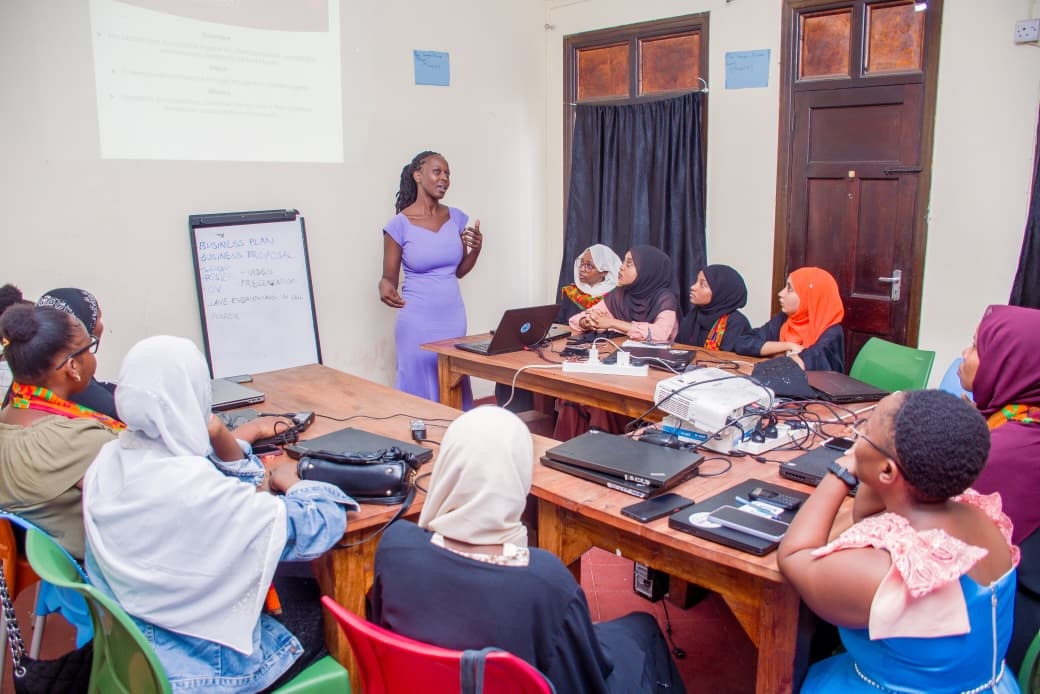
Along Kenya’s coast, cultural barriers, limited infrastructure, and entrenched gender stereotypes have long kept girls out of STEM. Pwani Teknowgalz is changing that.
TechTrends Media spoke with Deputy Director Aisha Abdulkadir Abubakar about the organisation’s model, its measurable impact, and why female representation in tech is still the defining equity challenge of Kenya’s digital economy.
Kindly introduce yourself and your role at Pwani Teknowgalz.
My name is Aisha Abdulkadir Abubakar, and I serve as Deputy Director at Pwani Teknowgalz. In my role, I oversee strategic direction, programme implementation, and partnerships that advance digital inclusion for young women. I work closely with our team to design impactful programmes in digital literacy, STEM education, and entrepreneurship. I am also actively involved in mentoring young women and supporting them to transition from learning into meaningful opportunities in the digital economy. My passion lies in empowering youth, especially girls, to leverage technology for personal growth and community transformation.


What inspired the formation of Pwani Teknowgalz, and what gaps has it addressed?
Pwani Teknowgalz was founded to address the significant gender gap in technology access and participation along Kenya’s coastal region. At the time, there were limited opportunities for girls to engage in STEM, compounded by cultural and economic barriers. The organisation has bridged this gap by providing safe, inclusive spaces where girls can learn digital skills, coding, and innovation. It has also addressed the shortage of mentorship and female role models by nurturing a strong network of women tech leaders. Nationally, we have contributed to building a pipeline of skilled young women ready to participate in Kenya’s growing digital economy.
Who are the primary beneficiaries of your programmes?
Our primary beneficiaries are young girls and women aged 17 to 28, particularly those from underserved and marginalised communities across the coastal region of Kenya. This includes out-of-school girls and young women seeking digital and entrepreneurial skills. We also engage educators and community stakeholders to build a supportive ecosystem around our learners. Increasingly, our programmes are reaching alumni who go on to become mentors, trainers, and leaders, creating a cycle of empowerment that sustains impact across generations.
What barriers prevent young girls from accessing tech education?
Several barriers limit girls’ access to tech education, especially in coastal regions — including cultural stereotypes that discourage girls from pursuing STEM, limited access to digital devices and internet connectivity, and financial constraints. Many schools in marginalised areas lack adequate ICT infrastructure. There is also a shortage of female role models in tech, which affects both confidence and aspiration. Household responsibilities and safety concerns, particularly in online spaces, are additional factors. These challenges often intersect, making it harder for girls to consistently engage with and pursue opportunities in technology.
Why is female representation in STEM still low?
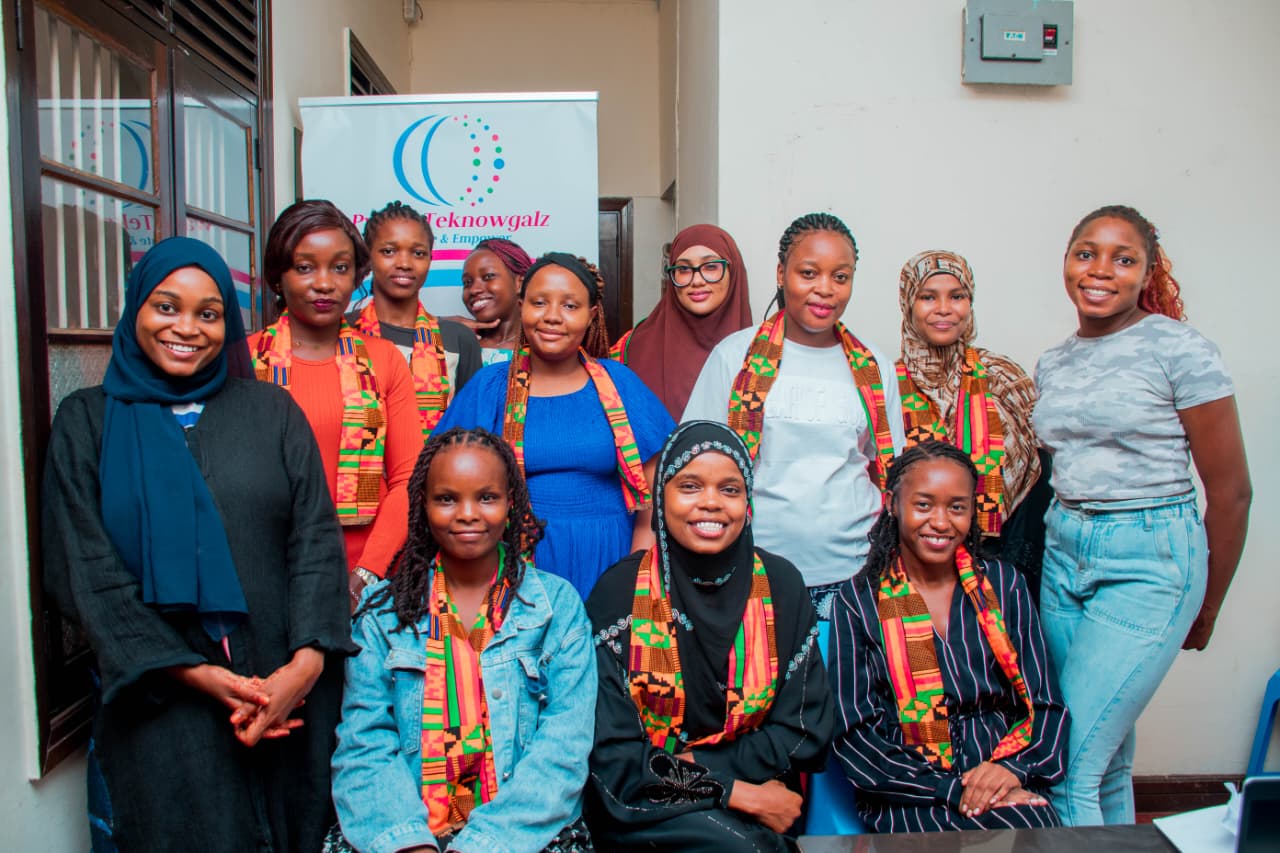
Despite increased awareness, structural and societal challenges persist. Gender stereotypes are often introduced early, shaping perceptions about which careers are appropriate for girls. Limited exposure to STEM opportunities and a lack of mentorship further reduce participation. Even when girls enter STEM pathways, retention remains a challenge due to unsupportive environments and insufficient career guidance. Systemic inequalities in education and resource access continue to widen the gap. Addressing representation requires long-term, holistic interventions that go beyond awareness to encompass access, support, and opportunity.
How does your initiative design accessible and sustainable interventions?
We design our programmes with inclusivity and sustainability at the core. This includes offering training in accessible community spaces and schools, using low-cost and offline-friendly tools where possible, and providing mentorship and psychosocial support. We actively engage parents, teachers, and community leaders to build trust and encourage participation. Sustainability is achieved by training alumni to become trainers and mentors themselves, creating a self-sustaining ecosystem. We also partner with stakeholders to expand resources and opportunities, ensuring our programmes remain relevant and impactful over time.
How do you integrate digital literacy with real-world applications?
Our approach goes beyond theory through hands-on, project-based learning. Participants work on real-life challenges such as building websites, developing mobile applications, and creating digital content for businesses and community initiatives. We integrate freelancing, entrepreneurship, and workplace readiness skills to prepare them for the job market. Through internships, mentorship, and exposure to industry professionals, learners gain practical experience, not only acquiring skills but also understanding how to apply them to generate income and create solutions within their communities.
How do you leverage technology to expand reach and inclusivity?
We use a hybrid model combining in-person and online learning to reach more beneficiaries. Digital platforms enable us to provide virtual training, mentorship, and resources to learners beyond our physical locations. We also utilise social media and digital tools to share opportunities, showcase success stories, and build communities of practice. By integrating technology into our delivery, we make learning more flexible and scalable. Empowering girls in tech creates a ripple effect, improving household incomes, enhancing digital literacy in communities, and inspiring more girls to pursue STEM pathways.
What role do you play in influencing policy and national conversations?
We contribute to policy discussions by sharing insights from grassroots implementation and participating in national and regional forums on digital inclusion and gender equality. We collaborate with government agencies, development partners, and advocacy networks to promote policies that ensure equitable access to STEM education. Our programmes serve as evidence of what works, helping to inform strategies and investments in digital skills development. Through these efforts, we amplify the voices of young women and ensure their needs are reflected in broader policy frameworks.
What social and economic outcomes have you observed?
Increased access to tech skills has led to tangible outcomes, including improved employability, income generation, and entrepreneurship among young women. Many beneficiaries secure internships, freelance opportunities, or jobs in the digital space, while others become trainers and mentors who give back to their communities. Socially, we have seen marked growth in confidence, leadership, and decision-making among participants. Families and communities also benefit through improved digital literacy and greater economic resilience. These outcomes demonstrate the transformative power of investing in girls’ education and skills development.
How do you envision young women shaping emerging technologies?
Young women have a critical role to play in emerging technologies by bringing diverse perspectives and inclusive solutions. In fields such as artificial intelligence, cybersecurity, and digital entrepreneurship, their participation ensures that innovations address real community needs and are ethically grounded. By equipping girls with the right skills and opportunities, we are preparing them not just to participate but to lead. Their involvement will drive innovation, create jobs, and position Kenya as a competitive player in the global digital economy.
Any closing remarks?
Empowering girls in technology is not just about skills, it is about unlocking potential and building equitable futures. At Pwani Teknowgalz, we believe that every girl deserves the opportunity to learn, innovate, and lead. When we invest in girls, we invest in stronger communities and a more inclusive digital economy. Collaboration across sectors is key to scaling impact, and we welcome partnerships that support this mission.
Go to TECHTRENDSKE.co.ke for more tech and business news from the African continent and across the world.
Follow us on WhatsApp, Telegram, Twitter, and Facebook, or subscribe to our weekly newsletter to ensure you don’t miss out on any future updates. Send tips to editorial@techtrendsmedia.co.ke


