Sanara Deploys KES 1.2 Billion as Creative Finance Demand Hits KES 4 Billion in Kenya

The initiative combines financing, enterprise support and market access as demand for investment in Kenya's creative industries continues to outstrip available capital.

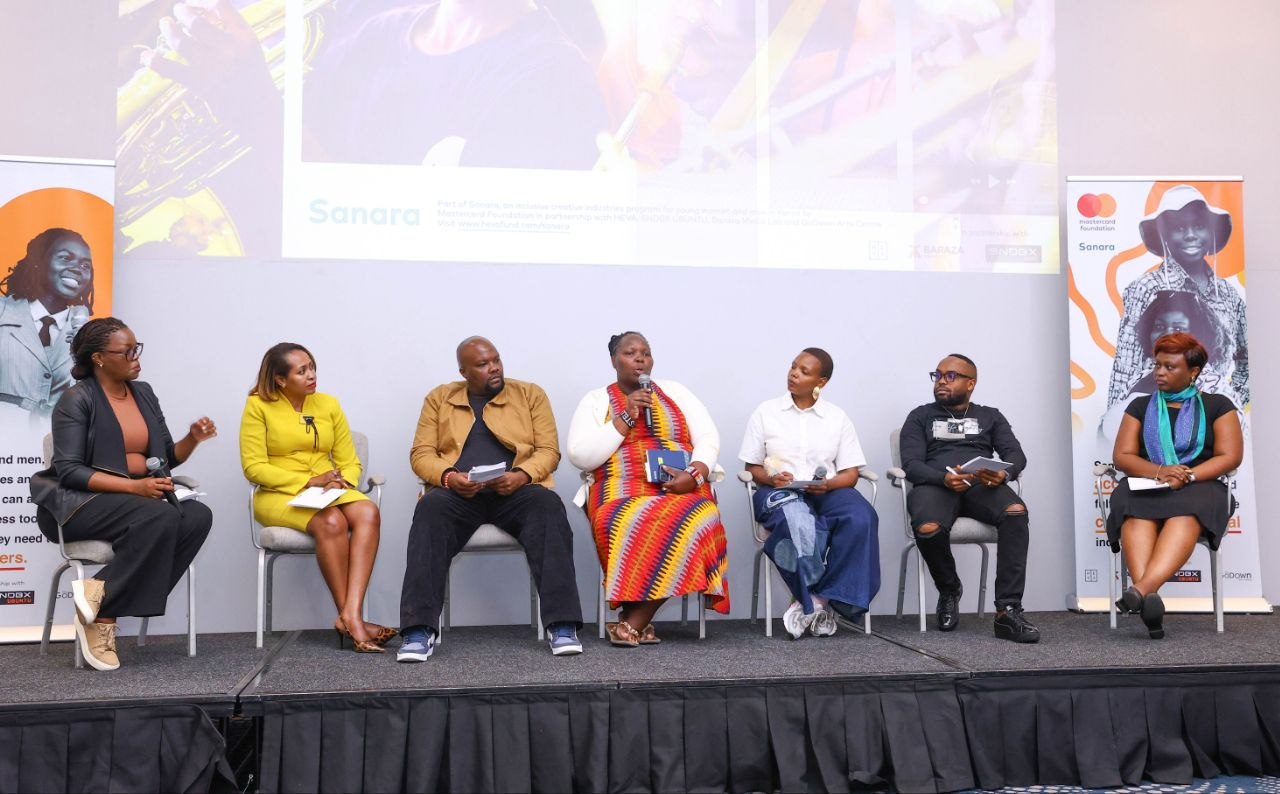

Sanara has deployed more than KES 1.2 billion through commercial financing and grants to strengthen Kenya’s creative economy, financing hundreds of businesses, supporting thousands of startups and equipping more than 20,000 young creatives with business and technical skills.

The programme says the investment demonstrates how combining access to finance with enterprise development and market opportunities can help creative businesses grow while expanding employment opportunities across the sector.

Supported by the Mastercard Foundation and implemented by HEVA Fund, SNDBX Ubuntu, Baraza Media Lab and GoDown Arts Centre, the programme has expanded access to finance for more than 330 creative enterprises and supported over 3,000 startups across Nairobi, Mombasa, Nakuru, Kisumu, Kakamega and Turkana.

Sanara Expands Financing and Skills Development Across Six Counties

The latest programme data was presented during the Sanara Creative Economy Learning Forum in Nairobi, where investors, financial institutions, policymakers, development partners and creative industry leaders examined lessons from the initiative.

Beyond financing, Sanara has trained more than 20,000 young creatives in business and technical skills while helping entrepreneurs access new markets and strengthen their commercial operations.

JOIN OUR TECHTRENDS NEWSLETTER

The programme has also worked with county governments on creative economy policy frameworks and creative infrastructure mapping to improve conditions for enterprise growth and attract greater private sector investment.

Creative Finance Demand Outpaces Available Capital

One of the clearest findings emerging from the programme is the scale of unmet demand for financing.

Applications for the Ota loan facilities have reached approximately KES 4 billion, more than three times the amount deployed so far. The figure highlights both the shortage of financing available to creative businesses and the appetite among entrepreneurs seeking capital to expand.

Sanara says its approach combines commercial financing, grants, business development support and technical training to improve the long-term viability of creative enterprises and prepare them for future investment.

Speaking during the forum, HEVA Fund Programme Manager Tabitha Masese said experience from the initiative demonstrates that creative businesses can become commercially sustainable when entrepreneurs receive appropriate financing alongside enterprise support and market access.

“Our experience shows that when entrepreneurs have access to appropriate financing, business development support, technical skills and markets, they build resilient enterprises capable of creating jobs and contributing to economic growth,” she said.

Women-Led Businesses and First-Time Borrowers Benefit

The financing portfolio also reflects a focus on entrepreneurs who have traditionally faced barriers to accessing credit.

According to Sanara, 63% of financed enterprises are women-led, while about 30% of beneficiaries are first-time borrowers, broadening access to formal finance for businesses that have often been excluded by conventional lenders.

The programme has also expanded opportunities for refugees and persons with disabilities through targeted initiatives.

Under the Ota Pepea Access to Market Initiative, refugee creatives from Turkana showcased their products in Nairobi, secured new buyers and entered international markets, demonstrating how improved market access can translate into business growth.

Forum Highlights What Kenya’s Creative Economy Needs to Grow

Sanara says several lessons have emerged from the programme’s implementation.

Among them is that access to finance remains the biggest obstacle facing creative enterprises despite strong demand for capital. The programme also found that combining business development with technical skills produces stronger commercial outcomes than delivering either intervention independently.

It further concluded that blended financing models, which combine commercial lending with grant funding, can support sustainable enterprise growth, while inclusive financing broadens participation among women, refugees, persons with disabilities and first-time borrowers.

The programme also identified supportive public policy, creative infrastructure and stronger industry ecosystems as important ingredients for attracting long-term investment into the sector.

According to Sanara, Kenya’s creative economy contributes more than 5% of the country’s gross domestic product, making it an important source of employment, entrepreneurship and innovation. The programme says stronger collaboration between government, investors, financial institutions and development partners will be needed to expand financing and unlock further growth across the country’s creative industries.

Facebook Comments

FORUM

By George Kamau

I brunch on consumer tech. Send scoops to george@techtrendsmedia.co.ke
Back to top button
×