The Hard Part of Kenya’s Nuclear Push May Be Starting Now
Beyond reactor technology, the programme requires decades of investment in skills, regulation, waste management and institutions capable of overseeing a strategic national asset.

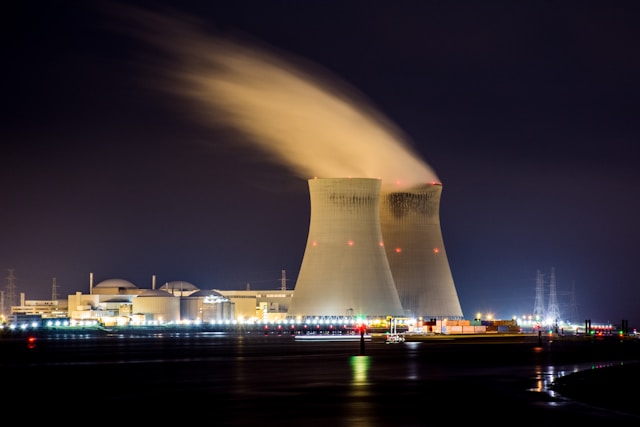
Kenya’s nuclear power plant programme is entering a more consequential phase. While the country remains years away from switching on its first reactor, recent developments suggest the conversation is shifting from whether Kenya should pursue nuclear energy to whether its institutions are prepared to support it.
That shift was on display this month when officials from Kenya Electricity Generating Company (KenGen), the Nuclear Power and Energy Agency (NuPEA), and other government institutions completed a study mission to Ontario, Canada. The visit exposed the delegation to one of the world’s most established nuclear ecosystems and offered a closer look at the systems required to operate, regulate and sustain a nuclear industry over decades.
The significance of the trip extends beyond technical learning. It reflects a broader effort to prepare Kenya for a project that could fundamentally alter how electricity is generated, distributed and consumed across the country.
Why Kenya Is Looking to Canada for Nuclear Experience
Canada’s nuclear sector offers more than reactor technology. It provides an example of how a country develops the institutions needed to support a long-term nuclear programme.
During the visit, Kenyan officials examined operational practices, workforce development systems, regulatory frameworks, supply-chain structures and long-term waste management arrangements. They also reviewed Canada’s experience with CANDU reactor technology and emerging nuclear innovations.
For Kenya, the lesson is not simply how to build a reactor. It is how to build the ecosystem around it.

Nuclear energy requires highly specialised regulators, engineers, environmental experts, safety professionals, emergency planners, researchers and operators. Unlike many infrastructure projects, a nuclear programme demands institutional continuity that must endure for generations.
KenGen Managing Director Peter Njenga described the mission as an opportunity to deepen understanding of the owner-operator model and strengthen preparations for Kenya’s future role in the sector.
The Shift From Energy Planning to Nuclear Readiness
For years, Kenya’s nuclear ambitions largely existed in policy papers, feasibility studies and long-term development strategies.
Today, the discussion is becoming more concrete.
KenGen has previously indicated that the country’s first nuclear facility could generate approximately 2,000MW, with longer-term ambitions reaching around 6,000MW. At the same time, government planning documents show growing activity around site selection and preparatory work linked to a proposed reactor project in Siaya County.
The focus on readiness is notable because nuclear projects are often constrained less by technology than by governance capacity. Countries must demonstrate regulatory competence, emergency preparedness, environmental oversight, workforce availability and long-term financing before construction begins.
The Canadian study tour appears designed to accelerate that learning process.
Why Baseload Power Has Become Central to Kenya’s Strategy
Government officials increasingly frame nuclear power as part of a wider industrial strategy rather than solely an energy project.
Kenya has built one of Africa’s cleanest electricity mixes through geothermal, hydro, wind and solar investments. Yet policymakers argue that future industrial growth may require additional forms of reliable baseload generation.
Unlike solar and wind resources, nuclear reactors are designed to operate continuously for extended periods. This consistency has become increasingly relevant as electricity demand patterns evolve.
The rapid expansion of electric mobility is one example. Electric motorcycles, buses and commercial fleets create demand that often extends into overnight charging periods. Manufacturing ambitions also depend on stable power supplies capable of supporting energy-intensive operations around the clock.
From steel processing and battery assembly to cold-chain logistics and advanced manufacturing, many of the industries targeted in Kenya’s industrialisation agenda require dependable electricity availability.
In that context, nuclear power is being positioned as an economic infrastructure project as much as an energy project.
The Siaya Project Could Reshape Kenya’s Electricity System
The proposed reactor in Siaya highlights the scale of what is being considered.
Current projections suggest a fully developed facility could eventually generate up to 3,000MW. That figure approaches Kenya’s existing installed generation capacity and would represent one of the largest infrastructure investments in the country’s history.
The implications extend beyond power generation.
A project of that scale would require significant transmission upgrades connecting western Kenya with major demand centres such as Nairobi and other industrial regions. It would alter power flows across the national grid and potentially influence regional electricity trade within East Africa.
Energy planners would need to balance generation expansion with investments in transmission infrastructure, grid stability and future demand growth.
In practical terms, the reactor would not simply add electricity to the system. It could reshape how electricity moves through the country.
Public Trust May Be as Important as Engineering
One of the strongest themes emerging from both Kenya’s preparations and Canada’s experience is the importance of public confidence.
Nuclear projects often face scrutiny over safety, environmental impact, financing and long-term waste management. Kenya has already encountered some of these concerns.
Earlier plans associated with potential coastal locations in Kilifi County faced resistance from local communities who questioned consultation processes and environmental implications. Similar questions are now emerging around the proposed Siaya project.
Lake Victoria remains a focal point in the discussion because reactors require substantial and reliable cooling water resources. Environmental groups, fishing communities and civil society organisations have raised concerns about ecological impacts and long-term stewardship obligations.
The delegation’s visit to Canada’s Nuclear Waste Management Organization offered insight into how countries build trust through transparent governance and dedicated funding mechanisms for long-term waste management.
For Kenya, these issues may prove just as important as reactor design or engineering capability.
The Long Road to Kenya’s First Nuclear Reactor
Despite growing momentum, significant questions remain unanswered.
The final site has not been confirmed. Financing structures are still evolving. Technology selection has yet to be finalised. Transmission requirements, regulatory frameworks and waste management systems continue to be developed.
The current timeline points toward further site preparation, vendor engagement and institutional development over the coming years, with nuclear generation remaining a long-term objective rather than an immediate reality.
What is becoming clearer, however, is that Kenya’s nuclear programme has moved beyond abstract ambition.
The study tour in Canada suggests officials are increasingly focused on the practical foundations required to support a nuclear future. The challenge ahead is not merely constructing a reactor. It is building the institutions, skills, public confidence and infrastructure capable of sustaining one.
That may ultimately be the most important lesson Kenya is bringing home from Canada.
Go to TECHTRENDSKE.co.ke for more tech and business news from the African continent and across the world.
Follow us on WhatsApp, Telegram, Twitter, and Facebook, or subscribe to our weekly newsletter to ensure you don’t miss out on any future updates. Send tips to editorial@techtrendsmedia.co.ke