

Vodacom Stake Deal Could Reshape How Safaricom Chooses Its Next CEO
The proposed ownership restructure reaches beyond shareholding percentages and into the process that will shape Safaricom’s future leadership

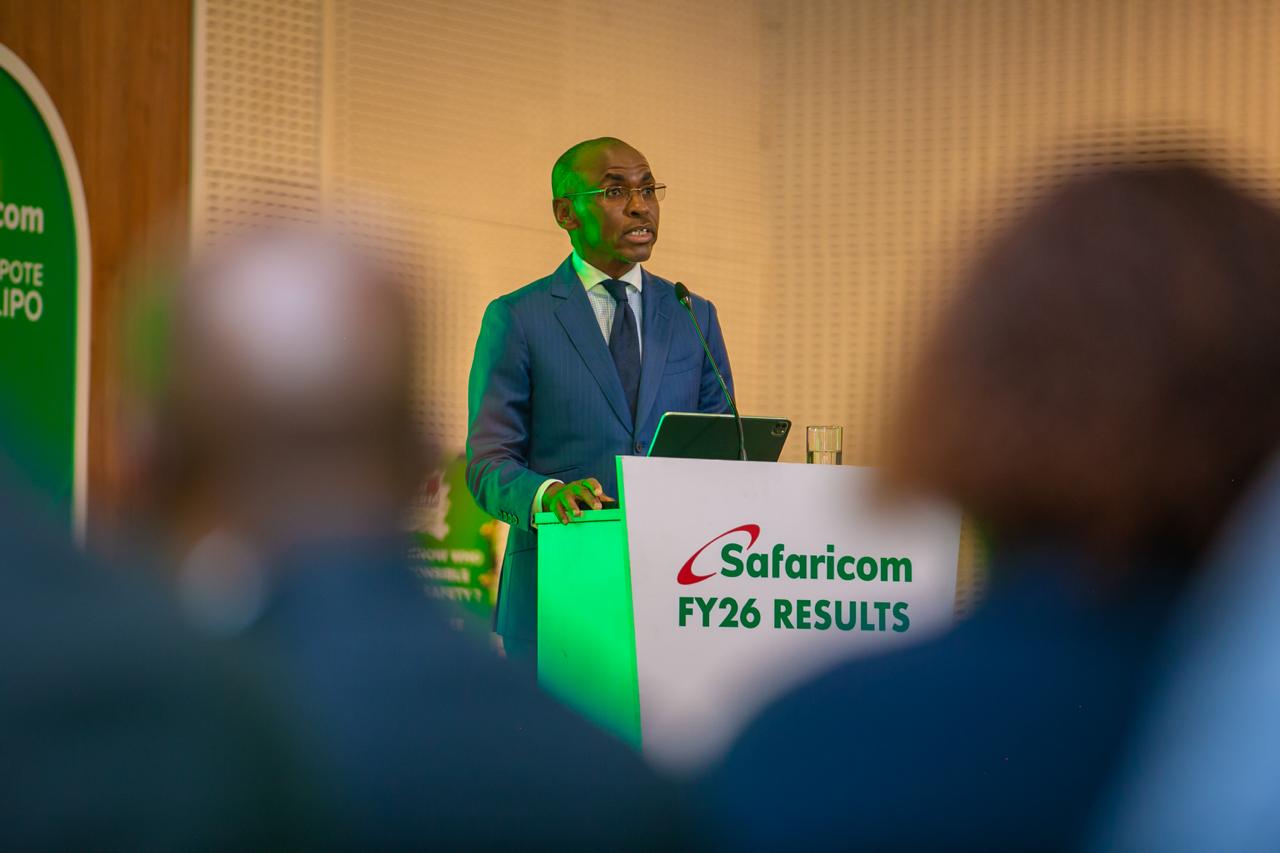
The mechanics of corporate control often emerge long after a share purchase agreement is announced.
Documents tied to the planned restructuring of Safaricom’s ownership show that the future selection of the company’s chief executive would be heavily influenced by Vodafone Kenya Limited (VKL), the investment vehicle through which Vodacom holds its interest in the Nairobi-listed telecommunications operator.
The provision appears in a new shareholder arrangement linked to Vodacom’s proposed acquisition of the Kenyan government’s 15 percent stake in Safaricom. Once completed, the transaction would increase Vodacom’s holding from 39.9 percent to 55 percent after the consolidation of Vodafone Group’s remaining direct interest in the company.
That ownership level carries consequences beyond voting power.

Under the agreement, Safaricom’s board would appoint a chief executive from candidates presented by VKL as long as the vehicle retains more than half of the company’s issued share capital. The board would remain responsible for the appointment process, but the pool of potential candidates would originate from the controlling shareholder.
For investors, the clause offers an early indication of how authority may be distributed inside the company after the transaction closes.
Safaricom has spent the past several years operating with a governance model in which local leadership became increasingly prominent. Peter Ndegwa’s appointment as chief executive in 2020 marked the first time a Kenyan occupied the top executive role at the telecommunications firm.
The proposed structure does not require the appointment of a foreign executive. It does, however, give the controlling shareholder substantial influence over succession planning and leadership transitions.
Ownership concentration is at the centre of the transaction.
Vodacom agreed in December 2025 to acquire the government’s stake for Sh204.3 billion. The company also committed to pay an upfront dividend of Sh40.2 billion on the State’s remaining 20 percent shareholding, with recovery tied to future dividend distributions.
Following completion, the Kenyan government would remain a significant shareholder but would no longer be the second-largest owner by a margin capable of balancing strategic decisions.
The governance framework outlines additional commitments. Vodacom agreed to consult the government, where practical, before the appointment or replacement of a chief executive or board chair. The agreement also states that efforts will be made to ensure the chairperson is Kenyan.
Control of executive appointments sits within a broader package of governance changes.
As a Vodacom subsidiary, Safaricom would be expected to align with group-wide standards covering compliance, financial reporting, procurement, risk management, ethics and operational procedures. Such arrangements are common when a listed company becomes part of a larger corporate structure, particularly where the parent company holds a majority stake.
The ownership consolidation traces its roots to earlier restructurings.
Vodafone Group acquired a 40 percent stake in Safaricom when the operator was launched in 2000. In 2007, most of that holding was transferred to Vodacom, leaving Vodafone with a smaller direct interest. The current transaction would transfer the remaining shares to Vodacom and place the entire investment under a single ownership structure.
The deal has already secured approval from Parliament and the COMESA Competition Commission.
Implementation remains uncertain.
The High Court suspended the transaction in May following a petition filed by activist Tony Gachoka and three other petitioners. The case challenges aspects of the proposed sale and has temporarily halted completion pending judicial determination.
Until the matter is resolved, the governance provisions remain prospective rather than operational.
Even so, the language contained in the shareholder agreement provides one of the clearest indications yet of how Safaricom may be managed if the ownership restructuring proceeds. The company’s next chief executive could ultimately become the first appointment made under a framework where majority shareholder rights carry far greater weight than they do today.
Go to TECHTRENDSKE.co.ke for more tech and business news from the African continent and across the world.
Follow us on WhatsApp, Telegram, Twitter, and Facebook, or subscribe to our weekly newsletter to ensure you don’t miss out on any future updates. Send tips to editorial@techtrendsmedia.co.ke


