

Treasury Defends Tax Measures as Kenya Pushes to Bring Borrowing Down
Treasury says the latest budget measures are part of a broader effort to reduce borrowing as Kenya grapples with mounting debt obligations and pressure over new taxes.


Kenya’s National Treasury has defended the government’s latest budget direction, arguing that stronger domestic revenue collection remains central to efforts to contain rising debt obligations and improve the country’s fiscal position.
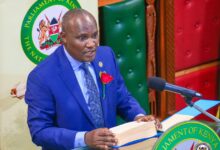
Speaking over the weekend, Treasury Principal Secretary Chris Kiptoo said the administration’s budget decisions are being shaped by the need to reduce reliance on both domestic and external borrowing. His remarks come as scrutiny grows around proposed tax measures and the wider financing strategy underpinning the 2026/27 fiscal plan.
The Treasury has increasingly framed debt management as a core economic priority. Kenya continues to face significant financing requirements linked to past borrowing, while policymakers seek to create room for development spending without adding further pressure to public finances.
Kiptoo said revenue measures under consideration are intended to support that objective, maintaining that the government must strengthen its ability to fund expenditure through locally generated resources. Treasury officials have repeatedly argued that continued dependence on debt financing would narrow future policy options and increase fiscal risks.

The defence of the budget arrives amid a broader public debate over taxation and household costs. Businesses, consumers and industry groups have been closely monitoring proposals that could affect prices, investment decisions and spending patterns across the economy.
For policymakers, the challenge remains balancing revenue collection with economic activity. Additional taxes can help improve government finances, but they also carry implications for consumer demand and business operating costs.
Treasury officials nevertheless maintain that economic conditions remain stable despite persistent pressures facing households and firms. The government has pointed to resilience in key sectors and ongoing efforts to strengthen public finances as evidence that its fiscal strategy remains on course.
The budget debate is expected to intensify in the coming weeks as lawmakers, businesses and the public examine the practical effects of proposed measures. Attention is likely to focus on whether the government’s revenue targets can be achieved without slowing growth or adding further strain to consumers.
Kenya’s approach is being watched beyond its borders as several African economies confront similar questions around debt sustainability, revenue mobilisation and the pace of fiscal adjustment. The outcome of the current budget cycle will provide an indication of how far Nairobi intends to push its debt-reduction agenda while maintaining economic momentum.
Go to TECHTRENDSKE.co.ke for more tech and business news from the African continent and across the world.
Follow us on WhatsApp, Telegram, Twitter, and Facebook, or subscribe to our weekly newsletter to ensure you don’t miss out on any future updates. Send tips to editorial@techtrendsmedia.co.ke


