

Africa Faces $1.3 Trillion Annual Financing Gap, But the Funds Exist, Says AfDB

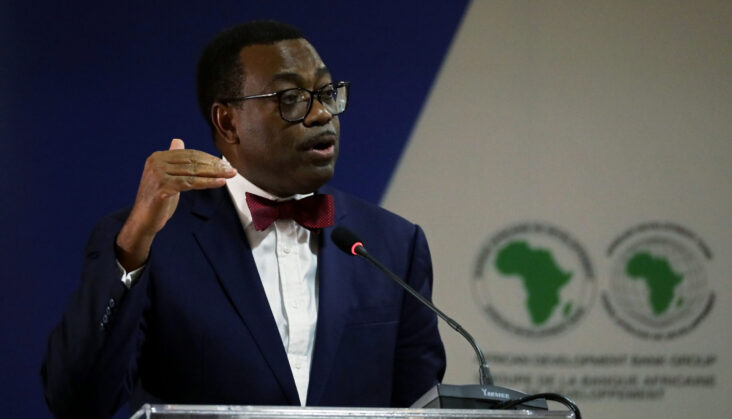
Africa faces an annual development financing gap exceeding $1.3 trillion needed to meet the United Nations Sustainable Development Goals, the African Development Bank (AfDB) has warned in its 2026 African Economic Outlook released last week at the Bank’s Annual Meetings in Brazzaville, Republic of Congo.
The report, published under the theme Mobilising Africa’s Development Financing at Scale in a Fragmented World, identifies the shortfall as the defining constraint on the continent’s ability to translate two decades of economic growth into lasting development gains. Despite averaging 3.8% real GDP growth annually over the past 20 years, Africa’s fiscal capacity has not kept pace, with the continent’s revenue-to-GDP ratio declining from between 23% and 30% in the 2000s to just 16.2% in 2024.
The AfDB attributes the gap to weak domestic resource mobilisation, fragmented financial systems, tightening external financing conditions, illicit financial flows, and a steady decline in foreign aid and foreign direct investment inflows.
Yet the Bank is emphatic that the challenge is not simply one of missing money. The AfDB argues that with the right reforms, Africa could unlock up to $1.43 trillion in additional annual financing, enough to exceed the SDG funding gap entirely. The opportunities identified include an estimated $469 billion in additional annual revenues from stronger tax and non-tax collection, roughly $299 billion in savings through more efficient public investment, and further gains from deeper capital markets, expanded public-private partnerships, diaspora financing, and a decisive clampdown on illicit financial flows and corruption.


“Africa’s problem has a name. Financial inclusion. Investing and, precisely, more inclusive retail investing processes and accessibility to financial markets and opportunities through trading infrastructures offering exposure to alternative investments are critical. Countries like Congo, Cameroon, and Tanzania are ‘fertile land’ for alternative investment firms and ready to absorb both funds and technology—innovation—to get ahead,” notes Van Ha Trinh, Financial Markets Strategist at Exness.
Africa’s stock markets have grown nearly sixfold over two decades to reach a combined capitalisation of $1.2 trillion in 2024, but the AfDB notes that activity remains heavily concentrated in South Africa, Egypt, Morocco, and Nigeria, pointing to the need for much broader financial market integration across the continent.
To address the structural gaps, the report calls for accelerated development of pan-African banks, integrated capital markets, and innovative financing instruments, including climate finance and Islamic finance. A central pillar of the proposed framework is the New African Financial Architecture for Development (NAFAD), which aims to mobilise over $4 trillion in assets already sitting within Africa’s financial ecosystem. The Bank also highlighted the African Credit Rating Agency, launched in January 2026, as a critical tool for countering perceived biases in sovereign risk assessments that have historically inflated Africa’s borrowing costs.
The AfDB further stressed the need to strengthen the African Financing Stability Mechanism to help countries manage debt refinancing risks and ease liquidity pressures. The warning comes at a difficult moment for sovereign borrowers on the continent: Africa’s average public debt-to-GDP ratio reached 63% in 2025, with interest payments consuming nearly 15% of public revenues and around 40% of African countries either over-indebted or at high risk.
Despite the scale of the challenge, the Bank maintains a positive growth outlook. Africa’s economies are projected to expand by 4.2% in 2026 and rebound to 4.4% in 2027, with 22 countries expected to grow above 5%.
“Africa will not close its trade finance gap by adding constraints, but by building a more resilient, more digital, and more sustainable financial ecosystem,” the Bank’s trade finance director said at the Brazzaville meetings.
Go to TECHTRENDSKE.co.ke for more tech and business news from the African continent and across the world.
Follow us on WhatsApp, Telegram, Twitter, and Facebook, or subscribe to our weekly newsletter to ensure you don’t miss out on any future updates. Send tips to editorial@techtrendsmedia.co.ke