Glovo’s Kenya Growth Picks Up as More Shopping Moves to Apps
The delivery company says repeat customer orders, mobile payments and wider merchant participation are pushing Kenya into its top tier of growth markets

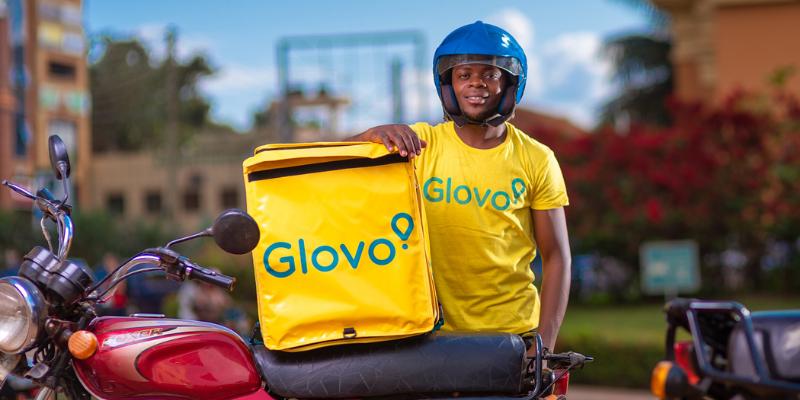
More Kenyans are using delivery apps for routine purchases, giving Glovo one of its strongest growth rates globally as merchants increase their reliance on digital sales channels.
The company says business in Kenya is expanding at an annual rate of between 35% and 40%, with customer order frequency rising across food delivery, groceries and household-related services. Glovo also says orders on its platform grew by 40% in 2025 as digital commerce activity expanded across the country.
Executives from the firm linked the increase to wider use of smartphones, mobile payments and online storefronts by small enterprises. They also pointed to growth outside Nairobi, where more businesses are joining app-based commerce platforms. Glovo currently operates in 12 towns and cities in Kenya and works with more than 6,000 merchants alongside roughly 2,200 riders daily.
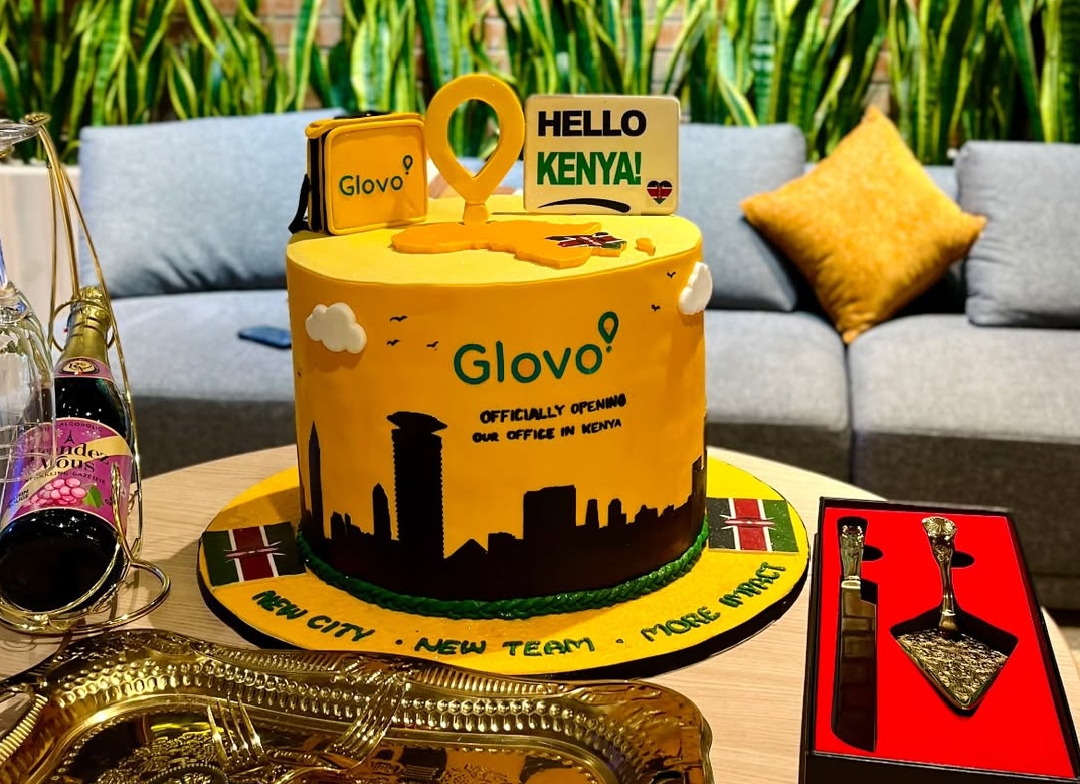
Speaking during the opening of new company offices in Nairobi, Glovo co-founder and vice president for global affairs Sacha Michaud described Kenya as one of the company’s fastest-growing operations internationally. The company also announced plans to invest Sh10 billion in Kenya by 2030, with the Nairobi office expected to serve as part of Glovo’s African digital hub.


“In Kenya we’re growing 35 to 40 percent year-on-year,” he said.
Glovo’s expansion in Kenya is increasingly tied to how small businesses, supermarkets and everyday retailers are adapting to online demand.

The company says small businesses make up the bulk of merchants on its platform worldwide, accounting for roughly 80% to 90% of sellers. Many, according to Glovo, entered online selling for the first time through the app economy. Glovo says businesses using the platform have generated more than Sh20 billion since the company entered Kenya in 2019, with much of that revenue going to small and medium-sized enterprises.
The company estimates its operations contributed Sh9 billion to Kenya’s economy in 2025 as more merchants shifted toward app-based sales and delivery services.
The firm is also adjusting its technology systems around Kenya’s payments environment, where mobile money dominates transactions. Company executives said local conditions require product adaptations that differ from markets centered on card payments.
Glovo chief technology officer Shiro Theuri said integrating M-Pesa into delivery systems requires country-specific engineering approaches.
“Getting M-Pesa to work exactly the way we expect card payments to work is a little bit different, so we have to build a very Kenya-specific way of getting payments to work,” she said.
Artificial intelligence is becoming a larger part of the company’s operations as it seeks to shorten delivery times and improve customer handling. The company says machine-learning tools are being used to distribute rider assignments and estimate merchant preparation timelines.
New spending categories are also contributing to order growth. Glovo says customers are increasingly using the platform for courier requests, beauty items and pet-related purchases alongside restaurant orders.
The company’s Nairobi office currently hosts more than 600 employees, with plans to double that workforce to 1,200 within the next two years as operations continue expanding.
Glovo operates in 22 markets and says Kenya’s digital commerce adoption continues to outpace many regions where the company has an established presence.
Go to TECHTRENDSKE.co.ke for more tech and business news from the African continent and across the world.
Follow us on WhatsApp, Telegram, Twitter, and Facebook, or subscribe to our weekly newsletter to ensure you don’t miss out on any future updates. Send tips to editorial@techtrendsmedia.co.ke