What Changes With the Cameras on the Samsung’s Galaxy S26 Ultra This Time Around

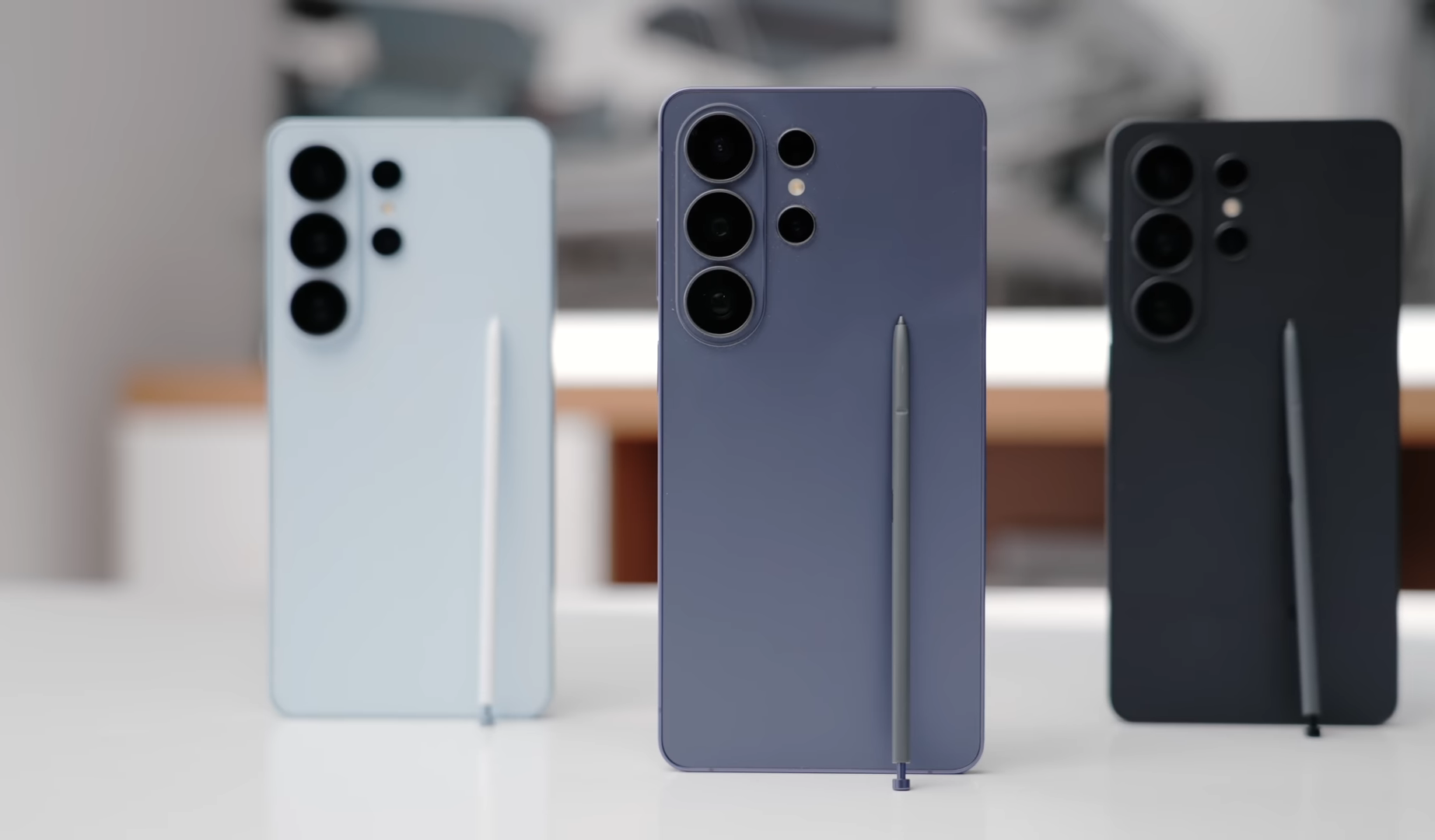
The camera changes on the recently launched Samsung Galaxy S26 Ultra are easier to understand when viewed as corrections. Over four generations, Samsung has kept much of the same hardware foundation while steadily addressing weaknesses that showed up in real use.
From the Samsung Galaxy S23 Ultra through the Samsung Galaxy S24 Ultra and into the Samsung Galaxy S25 Ultra, the pattern is consistent. Each model improved one area while leaving another exposed.
The S26 brings several of those threads together, especially in low light, zoom, and cross-lens consistency.
That said, the improvements are uneven. The rear system shows clear progress. The front camera does not.


Night photography finally holds detail without forcing brightness
Low light has been a recurring weakness, though each model handled it differently.
The S23 pushed brightness too far, flattening contrast. The S24 added sharpness that could look brittle. The S25 corrected color and balance but still left some shadow areas underdeveloped.

The S26 changes the result more than the style. Dark areas retain detail without turning into noise or artificial texture. Highlights stay controlled, and the image holds its structure without looking like a processed approximation of daylight.
This is the first point in the series where night photography feels stable across multiple scenes, including wider shots and zoom.
“The S26 captures the best overall scene… no weird blur, funky colors, or pitch black patches.”
Zoom moves from showcase to everyday tool
Samsung has long emphasized zoom range. The limitation has been consistency.
The S23 could resolve detail at extreme zoom but struggled with exposure. The S24 and S25 improved balance yet remained uneven across focal lengths. Beyond 20x, processing often became obvious.
The S26 improves the ranges people use most. At 5x, detail is clearer. As zoom increases, highlights remain under control and the image degrades more gradually. Even at higher magnifications, the output remains usable rather than purely demonstrative.
The change is practical. Zoom becomes something you rely on, not something you test once.
Switching lenses no longer disrupts the image
Earlier Ultra models often broke continuity when moving between cameras. The S23 made this obvious. Its ultrawide footage could appear darker than the main sensor, and color shifts were noticeable.
The S26 reduces these differences. Moving between main, ultrawide, and telephoto keeps exposure and tone aligned. The scene holds together across focal lengths.
This matters in video and in mixed shooting. The camera behaves as a system rather than a set of separate modules.
Portrait detection improves at fine edges
Portrait mode has gradually improved, particularly around subject separation.
The S23 and S24 could struggle with hair and complex edges. The S25 refined this but still showed inconsistencies. The S26 improves detection at a finer level, separating individual strands more cleanly.
There is a tradeoff. The depth effect can appear less natural in some situations, especially compared to the more restrained rendering on the S24 and S25. The gain is precision rather than visual subtlety.
Low-light zoom becomes usable across lenses
Zoom lenses have historically been the weakest point in low light. Noise, blur, and uneven exposure were common.
The S26 stabilizes this. Telephoto shots at night retain structure and avoid abrupt drop-offs in quality. Color remains consistent, and the image does not collapse into noise or dark patches.
This extends low-light usability beyond the main camera. It brings the entire system into play after dark.
Video adds horizon control but still shows tuning gaps
The S26 introduces horizon lock, which keeps footage level even when the device tilts. This adds a layer of control that earlier models did not offer.
At the same time, the transcript points to occasional lens bounce during movement. Stabilization remains strong overall, but the new system is still being refined.
The improvement is functional rather than complete. It expands what the camera can do without fully resolving how it behaves in all conditions.
The front camera tells a different story
Across the Samsung Galaxy S23 Ultra, Samsung Galaxy S24 Ultra, Samsung Galaxy S25 Ultra, and Samsung Galaxy S26 Ultra, the front camera remains largely unchanged at the hardware level.
The differences come from processing, and they follow a clear progression.
Daylight selfies show a gradual correction
The S23 applied heavy sharpening and showed a green tint in some shots. The S24 corrected color but retained a sharper look. The S25 balanced tone and detail more effectively.
The S26 reduces sharpening further. Images appear flatter and slightly warmer. In some cases, this looks more natural. In others, it lacks definition.
The direction is consistent. Each generation pulls back on processing intensity. The S25 remains the most balanced point in that sequence.
Low-light selfies still depend on tradeoffs
In low light, the limitations of the front sensor remain.
The S24’s added sharpening can reveal more detail, even if it introduces artifacts. The S26 produces cleaner images but can appear softer.
No model clearly resolves the constraint. The difference is how each one manages it.
Selfie video retains exposure instability
All four devices show abrupt exposure changes when lighting shifts, particularly outdoors. Clouds passing overhead cause visible jumps in brightness.
The S26 does not resolve this. Its output appears slightly flatter, but the underlying behavior remains.
This is one of the few areas where no generational progress is evident.
Consistency still favors the S25
Across multiple shots, the S25 delivers the most stable front camera output. The S24 is close but slightly sharper. The S26 varies more from shot to shot, reflecting newer processing that has not fully settled.
The improvement here is incremental rather than structural.
What the S26 Ultra actually improves
The Samsung Galaxy S26 Ultra focuses its camera upgrades on a set of targeted, practical improvements rather than broad, headline-grabbing changes. Low-light performance is stronger, with clearer shadow detail that holds up without excessive noise reduction. Zoom is more consistent across the ranges people actually use, avoiding the uneven shifts that sometimes showed up before. There is tighter alignment between lenses in both photo and video, which reduces visible jumps when switching perspectives.
Portrait mode benefits from more accurate edge detection, producing cleaner subject separation. Telephoto output at night is more reliable, addressing a long-standing weak point in dim conditions. Video also gains horizon control, which helps maintain a level frame without requiring post-processing. Taken together, these updates resolve several known issues from earlier generations and make the system more predictable in everyday use.
What remains largely unchanged
The front-facing system on the Samsung Galaxy S26 Ultra reflects incremental refinement rather than a meaningful hardware leap. Core limitations in the selfie camera remain in place, shaping the overall ceiling for image quality. Exposure behavior in selfie video continues to fluctuate, particularly in changing light, where adjustments can feel uneven rather than smoothly balanced. On top of that, newer processing introduces a degree of variability, with results shifting depending on the scene instead of holding a consistent look.
The practical decision
The S26 Ultra brings together several improvements that matter in difficult conditions. Night scenes, zoom, and multi-lens use all benefit.
For users of the S23, those changes are visible immediately. For those using the S24 or S25, the differences appear more in edge cases than in everyday shooting.
The upgrade is therefore situational. It reduces failure points rather than transforming baseline quality.
Mark your calendars! The GreenShift Sustainability Forum is back in Nairobi this August. Join innovators, policymakers & sustainability leaders for a breakfast forum as we explore sustainable solutions shaping the continent’s future. Limited slots – Get your early bird tickets now – here. Email info@techtrendsmedia.co.ke for partnership requests.
Go to TECHTRENDSKE.co.ke for more tech and business news from the African continent and across the world.
Follow us on WhatsApp, Telegram, Twitter, and Facebook, or subscribe to our weekly newsletter to ensure you don’t miss out on any future updates. Send tips to editorial@techtrendsmedia.co.ke


