
The Galaxy S26 More Slim Marks Samsung’s Boldest Attempt Yet to Make Beauty and Performance Exist in the Same Frame
Samsung’s engineers are chasing a shape so thin it threatens the balance between performance, endurance, and pride.

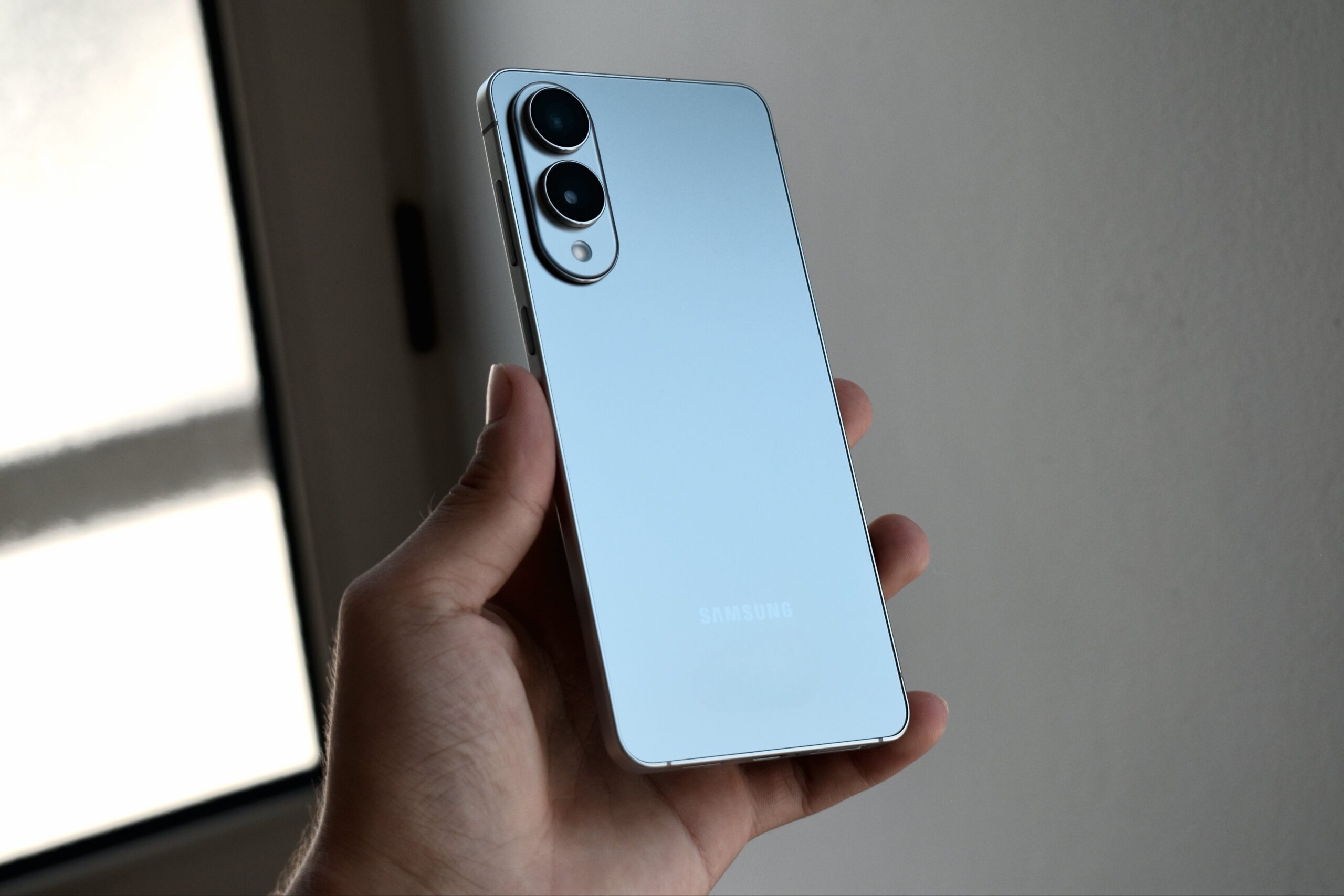
Within Samsung’s design labs, engineers are pursuing a goal that once seemed off-limits: building Samsung Galaxy S26, a true flagship phone thinner than 5.6 millimeters. The internal codename, More Slim, represents a radical rethinking of form—less about shrinking the device for aesthetics, more about redefining what a high-performance phone can feel like in the hand.
Leaked objectives of the Samsung Galaxy S26 outline a 6.6-inch Dynamic AMOLED 2X display and a battery exceeding 4,300 mAh, using stacked lithium-polymer cells to compensate for the razor profile. The upcoming Exynos 2600 chip, Samsung’s first built on its 2-nanometer process, anchors the performance side. Every choice appears to balance on a narrow line between beauty and endurance.
Engineering ambition under pressure
Samsung has tried slim designs before, but none this audacious. To reach the target thickness, the company is reportedly combining aluminum composite framing with a reinforced titanium sub-structure. Early feasibility studies suggest that periscope optics might be optional, given the tight internal space.
The thinner the body, the tougher the physics. Battery density and thermal control become defining obstacles. Stacked cell chemistry, long tested in prototypes, may now be essential to keep the device competitive without shrinking the battery below practical thresholds.


For Samsung, this isn’t just about matching its rivals in elegance. It’s about proving that restraint in design can coexist with top-tier performance—something Apple’s titanium iPhones and China’s camera-heavy flagships have both struggled to reconcile.
Strategic positioning in the 2026 cycle
If the leaks hold, the Samsung Galaxy S26 More Slim will debut alongside the main S26 and S26 Ultra models, marking a new branch in Samsung’s lineup. It’s a tactical experiment in identity: not a replacement for the Edge lineage, but a refinement of it.

The logic is clear. Ultra models chase maximal power. Foldables chase flexibility. More Slim pursues simplicity—the illusion of effortlessness through density, not surface gloss. It’s a design argument packaged as a product: how thin can a phone get before it compromises its soul?
Internally, this project also helps Samsung showcase its latest Exynos 2600 platform in a form that highlights energy efficiency. A leaner build gives the chip’s thermal management a stage to prove itself.
Cultural weight of thinness
Smartphones have become physical statements as much as tools. Each year’s flagship signals how people want technology to feel against the skin. The fixation with thinness isn’t new—it’s cyclical, returning whenever hardware innovation slows.
But this time, the motive seems subtler. More Slim suggests a maturity in minimalism, less about marketing bragging rights and more about sensory refinement. The question it raises is cultural: in an age of cameras that rival DSLRs and batteries that promise two-day endurance, do users still crave thinness—or have they outgrown it?
Where it fits in Samsung’s long game
Samsung is layering its 2026 portfolio with intent. Foldables carry the story of innovation. The Ultra anchors prestige. More Slim may serve as the quiet counterpoint—a product that trades spectacle for craftsmanship.
If the company meets its technical targets, this model could mark a return to design-driven identity, the kind that once defined early Galaxy S generations. Whether it becomes a commercial pillar or a one-off experiment, the attempt alone underscores a truth about the industry: every new form factor begins as a risk that seemed unnecessary—until it worked.
Go to TECHTRENDSKE.co.ke for more tech and business news from the African continent.
Follow us on WhatsApp, Telegram, Twitter, and Facebook, or subscribe to our weekly newsletter to ensure you don’t miss out on any future updates. Send tips to editorial@techtrendsmedia.co.ke


