
Safaricom Announces a KSh 30 Billion Initiative to Transform Education in Kenya

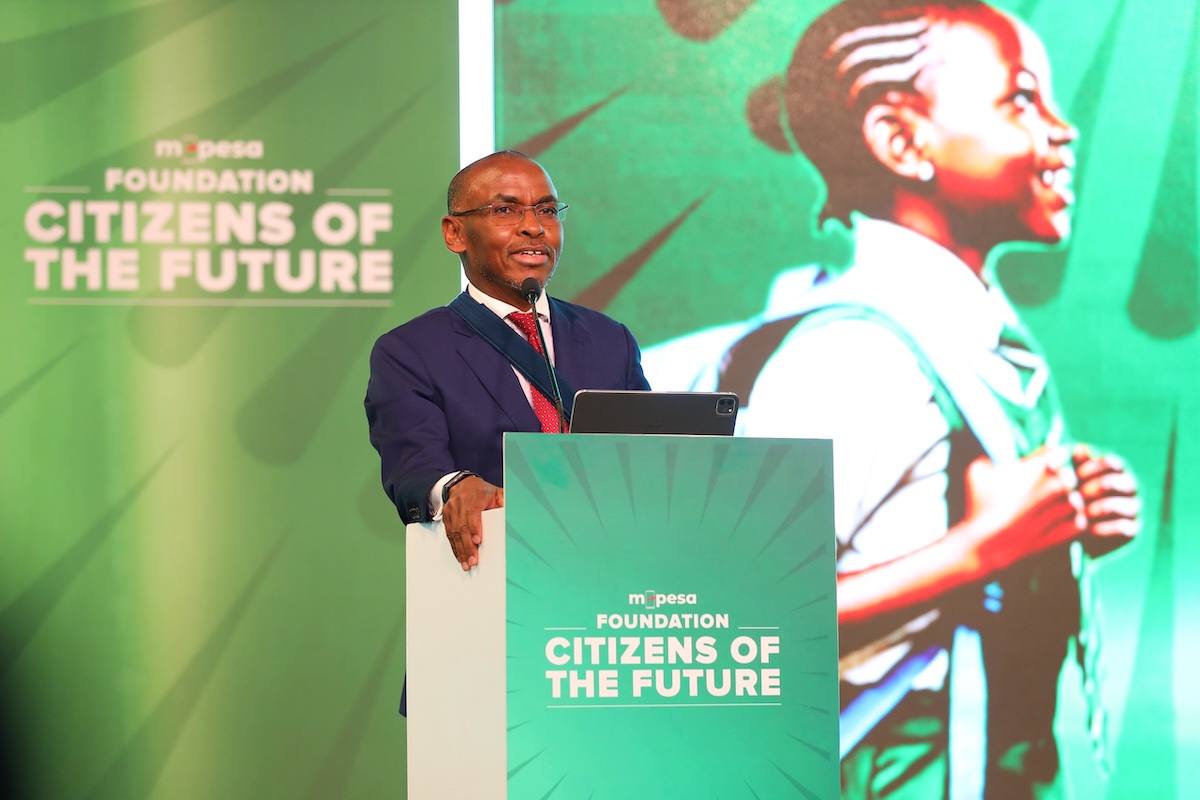
Safaricom, through the M-PESA Foundation, has unveiled a massive KES 30 billion education initiative aimed at revolutionizing learning and training outcomes across Kenya over the next five years.
Dubbed “Citizens of the Future,” the ambitious program will focus on critical areas including upgrading infrastructure, enhancing teacher skills in Information and Communications Technology (ICT) across over 600 institutions nationwide, and awarding scholarships to more than 10,000 students in senior secondary and tertiary institutions.
The KES 30 billion commitment is a consolidated effort designed to address persistent challenges in the education sector, such as inadequate teaching materials and outdated infrastructure, which currently hamper the preparation of a workforce for the digital age. The investment will establish “Schools of the Future” model institutions featuring modern, sustainable infrastructure, integrated technology, and a strong emphasis on inclusivity for learners with special needs.
“We have developed education interventions that seek to bridge the gap through innovation and material support. Under the Citizens of the Future Program, we are consolidating our initiatives to ease access to education from early learning to technical and vocational training in an initial investment of about KES 30 billion in the next five years,” said Peter Ndegwa, Chief Executive Officer, Safaricom.

The initiative marks Safaricom’s 25th anniversary, a journey that has consistently been anchored on the purpose of transforming lives.
Michael Joseph, Trustee, M-PESA Foundation, emphasized the timely nature of the launch.

“This does indeed come at a defining moment, as we are celebrating 25 years of Safaricom, a journey anchored on our enduring purpose to transform lives. Our objective under Citizens of the Future is to enable every region have a model institution that not only trains for academic excellence, but to mould future-ready learners through digital integration,” said Joseph.
The private sector contribution is viewed by the government as a critical synergy needed for resourcing and capacity strengthening to prepare learners for a competitive global market. Kenya’s education sector currently receives a significant allocation from the national budget (KES 628.6 billion in FY 2023/24), positioning the country above the UNESCO minimum threshold for GDP expenditure, yet gaps remain.
This latest pledge adds to the foundations’ previous investment of over KES 29 billion, which has positively impacted more than 4 million learners across Kenya. The new program’s focus on technology adoption is intended to enrich the educational landscape and equip learners and teachers with the adaptability required for the new socio-economic order.
Kenyans have been given an opportunity to participate, with a month-long window to nominate a learning institution of their choice through the official website:, with shortlisted, deserving schools set to be the first beneficiaries.
Go to TECHTRENDSKE.co.ke for more tech and business news from the African continent.
Follow us on WhatsApp, Telegram, Twitter, and Facebook, or subscribe to our weekly newsletter to ensure you don’t miss out on any future updates. Send tips to editorial@techtrendsmedia.co.ke


