
Bolt Plus, Uber One and Glovo Prime want a bigger share of Kenya’s everyday spending

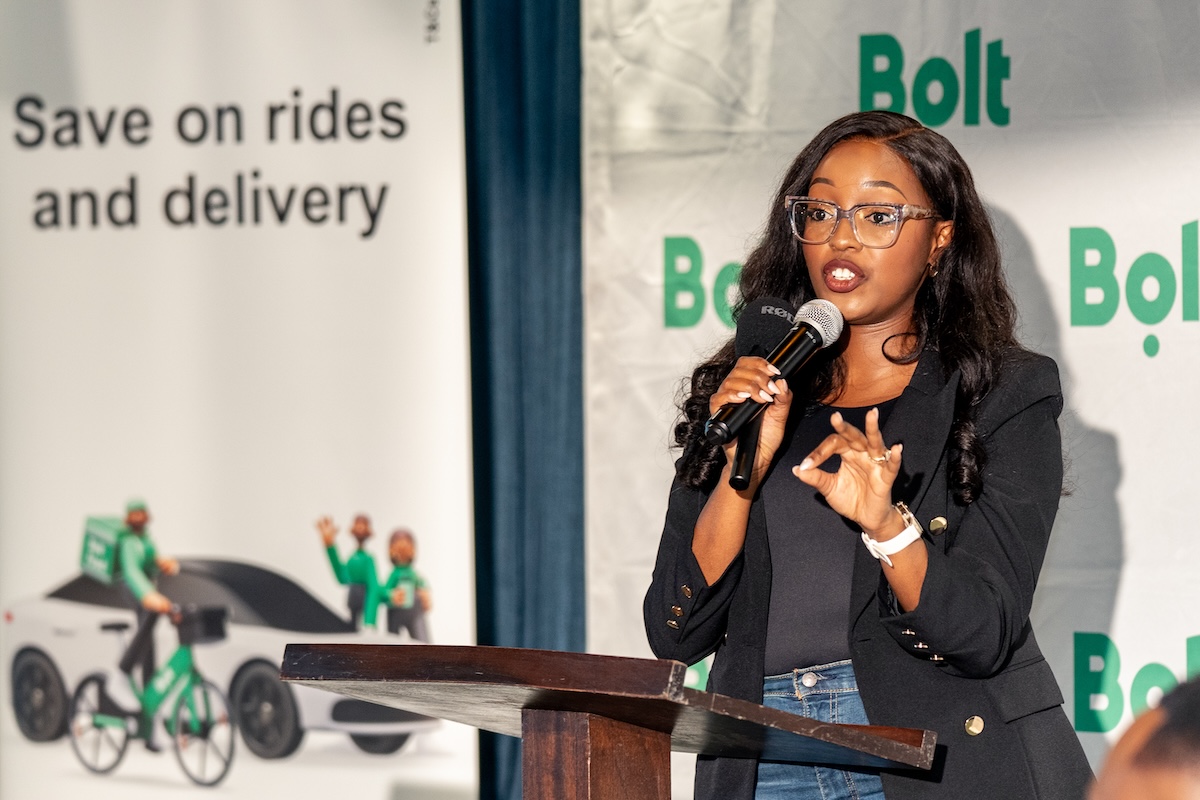
Bolt has entered Kenya’s subscription market with Bolt Plus, offering cashback on rides, delivery benefits and priority access to drivers for KSh280 a month or KSh899 a year. The launch puts the ride-hailing platform in direct competition with Uber One, which charges the same monthly fee but KSh2,800 annually, as both companies seek to encourage customers to use their services more frequently. Glovo Prime, priced at KSh400 a month, is also competing for regular spending on food and other deliveries.
The offers reflect a commercial opportunity for platforms that already connect customers to drivers, restaurants and retailers. By charging a recurring fee in exchange for benefits across eligible transactions, they can encourage customers to return to the same app rather than choose a service afresh for each ride or order. The value for customers depends on how often they travel, order deliveries and use the benefits included in their membership.
Bolt Plus enters a market already served by Uber One
Bolt Plus offers members up to 10% cashback on eligible rides, credited to their Bolt Balance, alongside free delivery on eligible Bolt Food and retail orders, priority driver matching and three free ride cancellations per month. The delivery benefit can be worth up to KSh200 per eligible order. Bolt has also introduced a promotional offer with a free first month followed by six months at KSh119 per month before the standard monthly price applies.
Uber One, launched in Kenya in March 2025, charges KSh280 per month or KSh2,800 annually. Its benefits include cashback on eligible rides, waived delivery and service fees on qualifying Uber Eats orders above KSh600, and member promotions. The cashback rate varies by ride category, with Comfort and UberXL trips receiving 10% and UberX trips receiving 5%, according to the membership offer.


Glovo Prime takes a delivery-focused approach, charging KSh400 monthly for benefits on eligible orders from participating restaurants and shops. The service offers free delivery and member promotions, with Glovo citing average savings of about KSh150 per order. The value of each membership therefore depends on the services a customer uses and the transactions that qualify for its benefits.
Annual pricing gives Bolt a competitive advantage
Bolt’s annual plan is the clearest point of difference between the two ride-hailing memberships. Paying KSh280 each month for a year costs KSh3,360, making Bolt Plus’s KSh899 annual option KSh2,461 cheaper than twelve monthly payments. Uber One’s KSh2,800 annual plan saves KSh560 against its equivalent monthly payments.
The difference gives Bolt a lower-cost option for customers willing to commit for a year. Its annual plan works out to about KSh75 per month, compared with roughly KSh233 for Uber One, although the two memberships have different eligibility rules and benefits. Customers who rarely use ride-hailing or delivery services may struggle to recover even a modest membership fee, while frequent users have more opportunities to benefit.
Cashback alone illustrates how usage affects the calculation. A customer paying KSh280 per month would need KSh2,800 in eligible spending to receive KSh280 back at a 10% cashback rate, assuming the full amount qualifies. At 5%, the same customer would need KSh5,600 in eligible spending to earn an equivalent amount. These are illustrative calculations, and the actual value depends on which rides qualify, how cashback is credited and whether the customer uses the resulting app balance.
The annual price also gives Bolt an incentive to attract customers who would otherwise pay month by month or move between competing apps. A customer who prepays for a year has committed money to the service, giving the platform an opportunity to retain more of that customer’s future ride and delivery spending. The commercial benefit depends on whether membership encourages sufficient usage and whether the cost of the benefits remains manageable.
More services give subscriptions room to grow
The competition is taking place as ride-hailing and delivery companies expand the range of services available through their apps. Bolt operates across ride categories and has developed food, retail and parcel delivery services in Kenya. Glovo has extended its offer beyond restaurant meals to groceries, household products, pharmacy items and electronics, giving customers more reasons to use the platform for everyday purchases.
Glovo Kenya managing director Caroline Mutuku has described a business that has grown beyond restaurant delivery. The company reports working with more than 6,000 merchants in Kenya, with small and medium-sized businesses making up about 80% of that network. It also reports operating in 12 towns and cities, with approximately 2,200 active riders daily. Those figures illustrate the breadth of the network behind its delivery service and the range of businesses that can benefit when customers place orders through the app.
Mutuku has also described quick commerce, including groceries, pharmacy products and electronics, as a substantial part of Glovo’s Kenyan operations. That wider catalogue gives customers more occasions to use the service, from buying a meal to replenishing household supplies. For a subscription such as Prime, the potential appeal lies in applying delivery benefits across multiple types of purchase rather than relying on restaurant orders alone.
Glovo is also developing additional ways to generate revenue through its merchant network, including retail media advertising that places brands in front of customers while they browse and order. Such advertising can complement delivery fees and merchant commissions, while a wider selection of products gives users more reasons to open the app. These activities help explain the commercial ambition behind delivery memberships, although platform growth alone does not establish how much value Prime contributes.
Bolt’s business extends beyond individual customers as well. Through Bolt Business, companies can manage employee travel through a central account, with trip records, cost reporting and project-level expense attribution. Country sales manager Daniel Njomo has described how businesses can use these records to improve visibility over transport spending and reduce the administrative burden of reimbursements. Corporate accounts are distinct from Bolt Plus, but they show how the same mobility network can serve both individual passengers and organisations with recurring transport needs.
Who pays for customer loyalty?
The subscription fee is only one part of the economics. Platforms must account for cashback, delivery discounts, promotional offers and other benefits, while continuing to pay for technology, customer support and the networks that fulfil each transaction. A subscription can support the business if it generates additional spending or helps retain customers who would otherwise switch, but discounts on trips customers would have taken anyway can reduce the financial benefit.
The implications extend to drivers, delivery riders and merchants. Ride-hailing drivers face costs such as fuel, maintenance, vehicle financing and insurance, while merchants must account for delivery-related charges, packaging and the cost of fulfilling orders. A subscription may increase transaction volumes, but that does not automatically translate into higher take-home earnings for drivers or better margins for businesses.
Bolt’s former Kenya country manager Linda Ndungu has previously discussed the company’s focus on driver opportunities, safety, regulation and support for electric motorcycle adoption. That history highlights the range of operational issues involved in maintaining a ride-hailing network as the business grows. The benefits offered to customers ultimately depend on a service network that drivers and other partners can continue to participate in economically.
Kenya’s ride-hailing commission dispute adds further context. Platforms, drivers and regulators have contested how revenue from rides should be shared, including the 18% commission ceiling that became the subject of court proceedings in 2026. The existence of a subscription does not establish how driver compensation is calculated, but the question matters because customer discounts sit within a market where drivers also need viable earnings.
For delivery businesses, the merchant relationship is equally important. More frequent orders can bring additional sales to restaurants and retailers, while a larger selection makes the platform more attractive to customers. The commercial outcome depends on the value of extra orders and the costs attached to them, rather than order volume alone.
What subscriptions mean for Kenya’s platform economy
Bolt Plus and Uber One show how ride-hailing companies are trying to build more durable customer relationships around services people already use. Their pricing offers different routes to that goal: Bolt is making an aggressive pitch through its annual fee, while Uber combines ride benefits with delivery incentives and member promotions. Glovo Prime applies a similar model to food and retail deliveries, where repeat orders can help customers recover the monthly fee.
For consumers, the practical choice is to compare the membership fee with their own spending patterns and the transactions eligible for benefits. For platforms, the task is to turn those benefits into repeat usage without allowing discounts and fulfilment costs to outweigh the value of retained customers. For drivers and merchants, the effect depends on whether additional demand translates into better business economics.
The contest will be shaped by more than the headline subscription price. Each company needs to make its membership useful enough to encourage repeat use while sustaining the networks that deliver each ride and order. In Kenya’s competitive market, the strongest offer will be the one that gives customers a compelling reason to return while supporting a viable business for the companies, workers and merchants behind the service.
Real ESG impact doesn’t happen in panels alone, it happens in the rooms where financiers, operators, and policymakers actually align. Our GreenShift Forum 2026 cuts the noise, bringing together the people rewiring Africa’s sustainability and energy frameworks for one focused day in Nairobi. Secure your seat.
Go to TECHTRENDSKE.co.ke for more tech and business news from the African continent and across the world.
Follow us on WhatsApp, Telegram, Twitter, and Facebook, or subscribe to our weekly newsletter to ensure you don’t miss out on any future updates. Send tips to editorial@techtrendsmedia.co.ke


