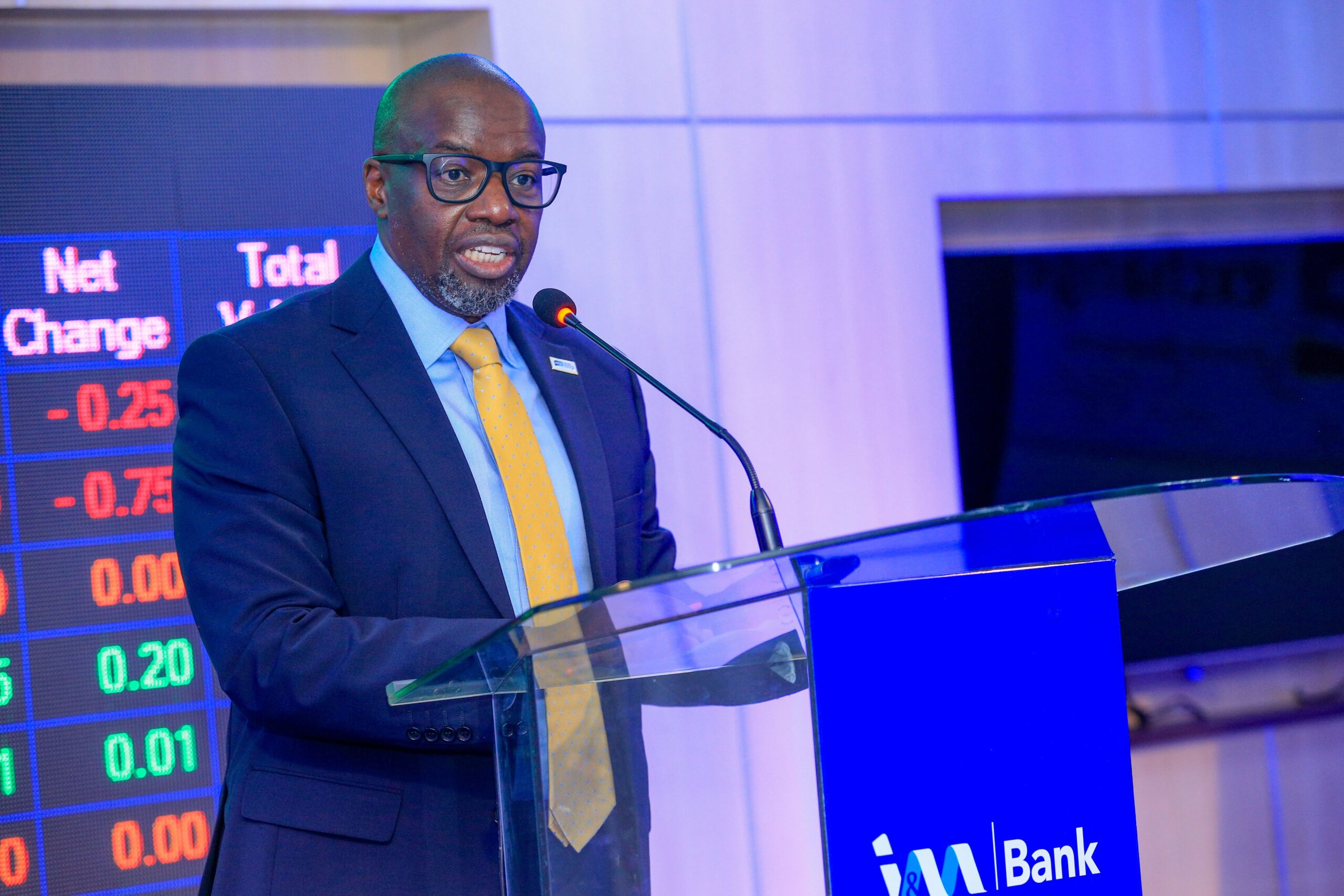
Tom Mulwa Inherits a Different Nairobi Securities Exchange
Mulwa succeeds Kiprono Kittony, whose six-year tenure coincided with one of the busiest periods the exchange has experienced in more than a decade.
The NSE’s own assessment of Kittony’s leadership points to an exchange that broadened both its product offering and investor base. During that period, the bourse introduced single-share trading, expanded digital access through Ziidi Trader, rolled out its 2025–2029 strategy and welcomed new listings across equities, bonds and real estate investment trusts.
JOIN OUR TECHTRENDS NEWSLETTER
Those developments mean Mulwa is not taking over an exchange in need of rebuilding. Instead, he inherits an institution attempting to sustain momentum while convincing more businesses and households that capital markets should play a larger role in financing Kenya’s economy.
His appointment also offers continuity. Mulwa joined the NSE board as an independent non-executive director in September 2025, giving him a front-row seat as many of those initiatives were introduced.
Why the NSE Chairperson Matters
One of Mulwa’s first priorities has been to explain why the role extends beyond presiding over board meetings.
He describes the exchange as critical national infrastructure rather than simply a venue where shares change hands. Investors, both local and international, look to the strength of a country’s securities exchange when assessing how easily capital can move in and out of investments.
That places responsibility on the board to safeguard governance, appoint executive leadership and provide long-term strategic direction.
His emphasis on governance is notable because it mirrors one of the themes the exchange has promoted among listed companies. Businesses entering public markets are expected to strengthen disclosure, accountability and board oversight before seeking investor capital. Mulwa argues the exchange itself must demonstrate those same standards.
Beyond IPOs: Building a Broader Capital Market
One of the clearest messages from Mulwa’s first interview is that success should no longer be judged solely by the number of initial public offerings.
While IPOs remain important, he argues they represent only one part of a functioning capital market.
The exchange now wants equal attention given to rights issues, corporate bond programmes, Sukuk issuances, listings by introduction and REITs.
Recent transactions illustrate that broader approach. Family Bank entered the market through a listing by introduction, giving more than 6,000 shareholders access to public trading while placing governance and ownership structures under greater investor scrutiny. Corporate fundraising has also expanded through listed debt instruments, while new property investment vehicles have provided investors with alternatives to traditional equities.
Mulwa believes those products give businesses more options to raise capital while allowing investors to build more diversified portfolios.
Rather than pursuing IPO numbers alone, the exchange appears focused on creating a market where companies can access financing throughout different stages of their growth.
Retail Investors Sit at the Centre of the Strategy
Perhaps the most ambitious target outlined by Mulwa is growing the domestic investor base to nine million Kenyans.
That objective reflects a broader belief that Kenya’s capital markets cannot rely heavily on foreign portfolio investors if they are to remain resilient during periods of global uncertainty.
Building a larger local investor base could help cushion the market when international funds withdraw capital in response to events beyond Kenya’s control.
Mulwa also believes ordinary households should participate more directly in wealth creation.
Historically, investing in listed shares has often been viewed as an activity reserved for institutional investors or wealthy individuals. He argues that perception no longer reflects reality.
Today, investors can buy individual shares through digital platforms without committing large sums of money, making the market more accessible than in previous decades.
Technology Could Bring Millions of New Investors Into the Market
Technology features prominently throughout Mulwa’s vision for the exchange.
He draws comparisons with mobile betting, arguing that investing must match the same level of convenience if it hopes to attract younger Kenyans.
Products such as Ziidi Trader have already demonstrated how mobile technology can reduce barriers to entry by allowing investors to trade listed securities through familiar digital channels.
The exchange has also shortened settlement times to T+1, allowing completed transactions to settle the next business day.
Mulwa does not see digital investing replacing financial advisers entirely.
Instead, he expects two paths to coexist. Experienced investors may choose to manage their own portfolios through CDS accounts, while others will continue to seek guidance on portfolio construction, risk management and long-term investment planning.
That balance mirrors trends seen across more developed capital markets, where technology expands access without eliminating the role of professional advice.